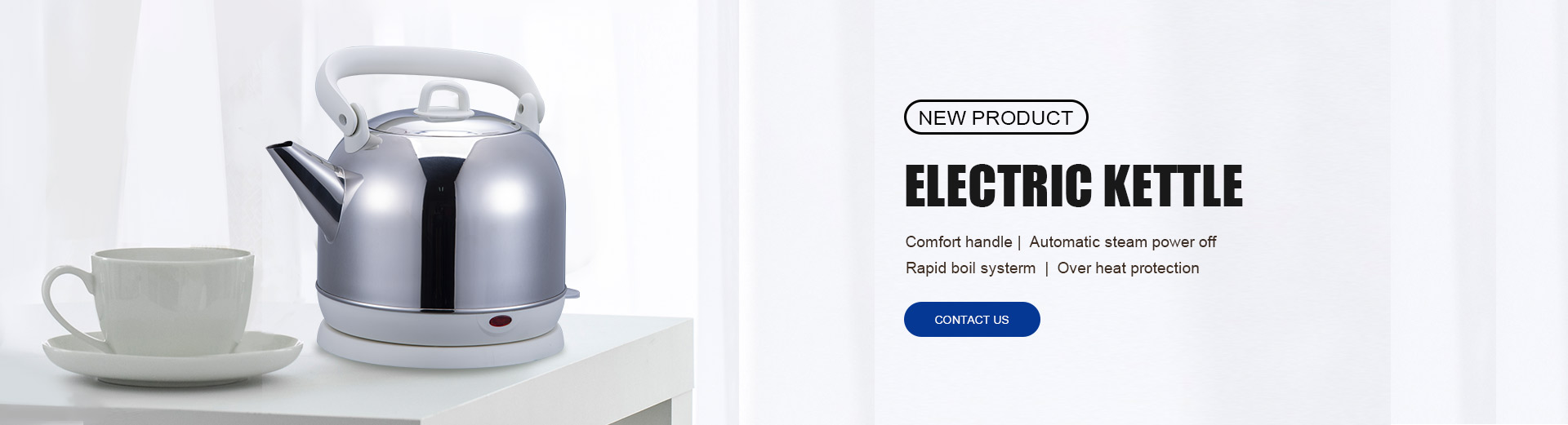
electric kettles are built to last for years, providing fast, efficient boiling in homes, offices, and hotels. But like all household appliances, they eventually reach the end of their service life. When that time comes, you may wonder: how should you dispose of an electric kettle safely and responsibly?
Simply throwing it into the trash is not recommended. Electric kettles contain metal, plastic, and electronic components that can be recycled or need special handling. Here’s a complete guide on how to properly dispose of your old kettle — the safe and environmentally friendly way.
electric kettles are classified as small household electrical appliances. They include materials such as stainless steel, plastic, copper wiring, and heating elements that can be reused. If discarded carelessly, these parts may release pollutants or take decades to break down.
Proper disposal benefits both the environment and the economy:
Reduces landfill waste by recycling reusable metals.
Prevents chemical contamination from electronic circuits and coatings.
Saves energy by reprocessing existing materials.
Complies with global e-waste regulations such as the EU’s WEEE Directive.
As a manufacturer committed to sustainability, Shenbao Electric Appliance Co., Ltd. encourages all customers to handle old kettles responsibly.
Before disposal, make sure the kettle is completely unplugged and cooled. Residual heat or moisture can make dismantling unsafe.
If you’re recycling through a facility, leave the cord attached — they’ll process it along with other electrical components.
Many kettles stop working due to minor issues, such as a faulty thermostat or loose wiring. Consider having it repaired by a certified technician or donating it if it still functions.
Repairing extends product lifespan and reduces electronic waste — a key part of Shenbao’s sustainability philosophy.
Search online or contact local authorities for designated electronic waste drop-off points.
Recycling centers separate materials into:
Metal parts (stainless steel, aluminum, copper)
Plastic housing
Electrical components (wires, thermostats, fuses)
These materials are then reused in manufacturing new products, minimizing resource extraction.
Some appliance retailers and municipal programs accept old electrical goods when you buy a new one.
If you’re purchasing a new Shenbao stainless-steel electric kettle, check whether your local distributor offers a return-for-recycle service.
If permitted by local guidelines, you can remove simple components yourself:
Detach the plastic lid or handle for standard recycling.
Remove any removable filter or cord for proper sorting.
Avoid opening the heating base, as internal wiring can be sharp or contain sensitive insulation materials.
Never dispose of an electric kettle in general waste bins.
Electrical items can cause landfill fires or leach harmful materials like nickel, chromium, or copper into the soil. Always send them to certified recyclers instead.
| Material | Recycling Benefit | Typical Recovery Rate |
|---|---|---|
| Stainless Steel | Reused for new appliances and construction materials | 90–95% |
| Plastic (PP/ABS) | Can be remolded into casings or containers | 50–70% |
| Copper Wiring | Recovered for new electrical cables | 85–90% |
| Electronic Components | Extracted for metals such as nickel and tin | 60–80% |
By recycling a single electric kettle, you can save up to 0.5 kg of reusable metal and reduce overall carbon emissions from new raw material extraction.
As a global manufacturer of energy-efficient stainless-steel electric kettles, Shenbao Electric Appliance Co., Ltd. integrates eco-friendly design principles throughout its production process.
Use of recyclable materials: High-grade stainless steel and PP plastics.
Energy-saving components: Precision thermostats reduce energy waste.
Durable construction: Extends lifespan, reducing waste generation.
Compliance with environmental certifications: CE, CB, GS, and RoHS.
By focusing on longevity and recyclability, Shenbao helps consumers minimize waste while enjoying reliable, high-performance appliances.
Proper maintenance can delay disposal and make your kettle more sustainable:
Descale regularly. Use vinegar or lemon solution to remove limescale every 2–3 weeks.
Avoid overfilling. Keeps heating components stress-free and energy-efficient.
Unplug after use. Reduces thermal wear on circuits.
Clean gently. Wipe with soft cloths; avoid submerging or dishwashing.
Store in a dry area. Prevents corrosion and electrical damage.
Simple habits like these can add years to your kettle’s lifespan, lowering environmental impact.
No. Electric kettles are electronic devices and should be taken to an e-waste recycling center or retailer program.
Yes. The stainless body of Shenbao kettles is fully recyclable and can be reused in various industries.
Donate it to a charity, community center, or workplace pantry. Reuse is always better than disposal.
Yes. Shenbao uses recyclable materials and efficient thermostats that reduce waste and energy use over time.
Shenbao supports sustainable disposal practices and works with distributors to promote eco-responsible consumer behavior.
Disposing of an electric kettle should always be done safely, legally, and responsibly. Avoid placing it in regular trash; instead, use authorized e-waste recycling facilities or retailer take-back programs.
By recycling, you help conserve resources, reduce pollution, and support sustainable manufacturing.
Shenbao Electric Appliance Co., Ltd. continues to lead in producing durable, energy-efficient, and eco-friendly kettles, encouraging customers worldwide to handle end-of-life appliances with care and responsibility.
Learn more about Shenbao’s high-quality stainless-steel kettles and sustainability commitment at www.shenbao-china.com — where innovation meets environmental responsibility.