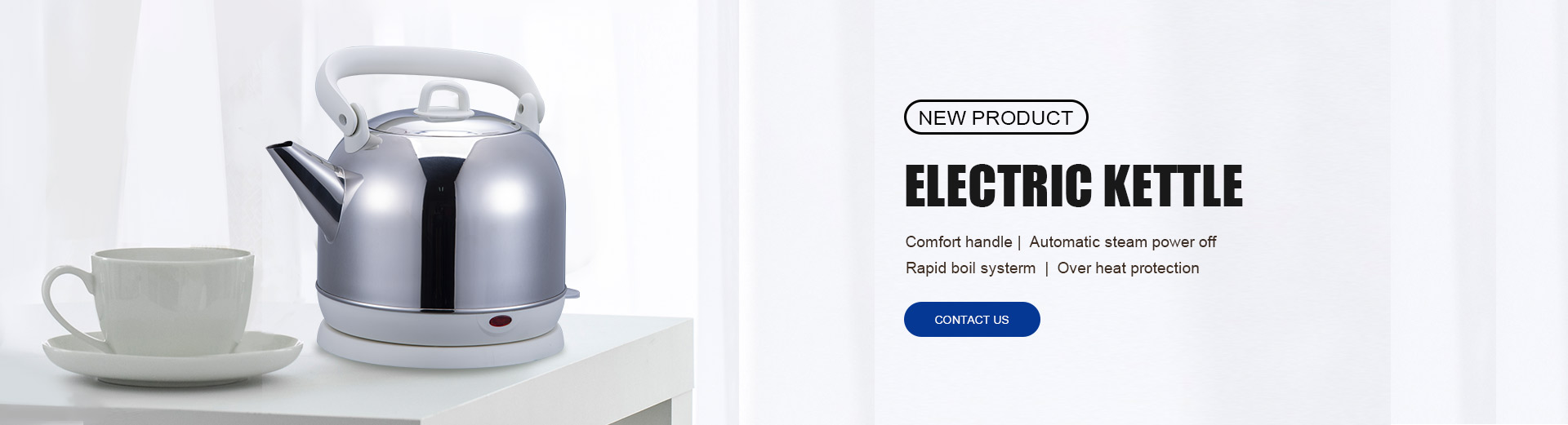
An electric kettle is one of the most frequently used appliances in kitchens, offices, and hotels. Whether you use it to make tea, coffee, or instant meals, it comes into contact with water every day. Over time, limescale and mineral buildup can accumulate inside the kettle, affecting both taste and heating efficiency.
So, how often should you clean your electric kettle? The answer depends on your water quality and usage frequency — but as a general rule, you should clean it every 1–2 weeks for optimal performance and hygiene.
Regular cleaning isn’t just about appearance — it keeps your kettle safe, efficient, and long-lasting. Without maintenance, minerals from hard water form white or chalky residue known as scale deposits.
If left untreated, these deposits can:
Slow down heating speed by insulating the heating plate.
Cause unusual noises during boiling.
Affect the taste and odor of boiled water.
Shorten the lifespan of internal components.
That’s why Shenbao Electric Appliance Co., Ltd. recommends cleaning your electric kettle regularly based on local water hardness and usage patterns.
| Water Type | Usage Frequency | Cleaning Interval | Descaling Frequency |
|---|---|---|---|
| Soft Water | Once daily | Wipe weekly | Descale every 4–6 weeks |
| Moderately Hard Water | 1–3 times daily | Wipe weekly | Descale every 2–3 weeks |
| Hard Water | Multiple times daily | Wipe every 3 days | Descale every 1–2 weeks |
If you notice cloudy water, slower boiling, or residue at the bottom, it’s time to clean immediately — even if it hasn’t reached the scheduled period.
Always unplug the kettle and let it cool completely before cleaning. Never immerse the entire appliance or base in water.
Empty any remaining water and use a soft cloth to wipe away loose mineral flakes or dust from the inside and outside.
Mix 1 part white vinegar to 2 parts water (or use lemon juice as an alternative).
Fill the kettle halfway, boil the solution, and then let it sit for 15–20 minutes.
Pour it out, rinse thoroughly, and boil a full kettle of clean water once to remove any odor.
Use a soft microfiber cloth with mild detergent to wipe the outer stainless-steel surface.
Avoid abrasive pads that may scratch the finish, especially on Shenbao’s polished or brushed stainless-steel models.
If your kettle includes a removable anti-scale filter, detach it and rinse under warm running water.
A soft toothbrush helps remove small particles lodged in the mesh.
Leave the lid open for several minutes to air dry, ensuring no moisture remains before reassembling.
You should clean your electric kettle right away if you notice any of the following:
White, powdery residue or visible scale inside the chamber.
Strange metallic or mineral smell after boiling.
Water taking longer than usual to boil.
Cracking or popping sounds during heating.
Rust-colored stains or discoloration.
Ignoring these warning signs can reduce your kettle’s heating efficiency and cause unnecessary energy loss.
A clean kettle doesn’t just look better — it also works more efficiently.
According to performance tests conducted by Shenbao Electric Appliance Co., Ltd., heavy limescale buildup can increase boiling time by up to 30%.
This means the appliance consumes more power for the same result. By cleaning regularly, you can:
Maintain up to 95% thermal efficiency.
Prevent energy waste and overheating.
Extend the product lifespan by several years.
Shenbao’s high-efficiency heating plates and precision thermostats perform best when free from mineral deposits.
Shenbao’s stainless-steel electric kettles are specifically designed to simplify maintenance.
Key features include:
Wide-mouth openings for easy interior access.
Smooth, seamless inner walls that resist limescale buildup.
Removable filters that can be cleaned quickly under running water.
Double-wall insulation that keeps the outer surface cool and easy to wipe.
High-grade SUS304 stainless steel that resists corrosion and stains.
These features make Shenbao kettles ideal for daily use in homes, cafés, and hospitality environments.
Use filtered water to minimize mineral deposits.
Empty unused water after each use instead of letting it sit overnight.
Wipe the exterior regularly to prevent fingerprints and smudges.
Avoid harsh cleaners like bleach or scouring pads.
Descale with vinegar or lemon rather than chemical descalers.
Following these tips helps your kettle stay clean, efficient, and safe for everyday use.
If you use hard water, descale every 1–2 weeks. For soft water, once a month is usually sufficient.
Yes. Mix 1 tablespoon of baking soda with water, boil, and rinse thoroughly. It removes mild stains and neutralizes odors.
Absolutely. Vinegar is a natural descaler and safe for stainless-steel surfaces used in Shenbao kettles.
No. Electric kettles contain wiring and heating elements — never submerge or place them in dishwashers.
Limescale will build up, slowing boiling time, increasing power use, and potentially shortening the appliance’s life.
Cleaning your electric kettle regularly — about every 1–2 weeks depending on water hardness — keeps it performing efficiently, hygienically, and safely.
A clean kettle not only saves energy but also ensures pure-tasting water for tea, coffee, or cooking.
Shenbao Electric Appliance Co., Ltd. designs each of its stainless-steel kettles for easy maintenance, energy efficiency, and long-term durability. With features like wide openings, removable filters, and precision thermostats, Shenbao makes it simple to maintain a spotless, high-performing appliance.
Learn more about Shenbao’s smart and hygienic kettle series at www.shenbao-china.com — where innovation meets everyday care.