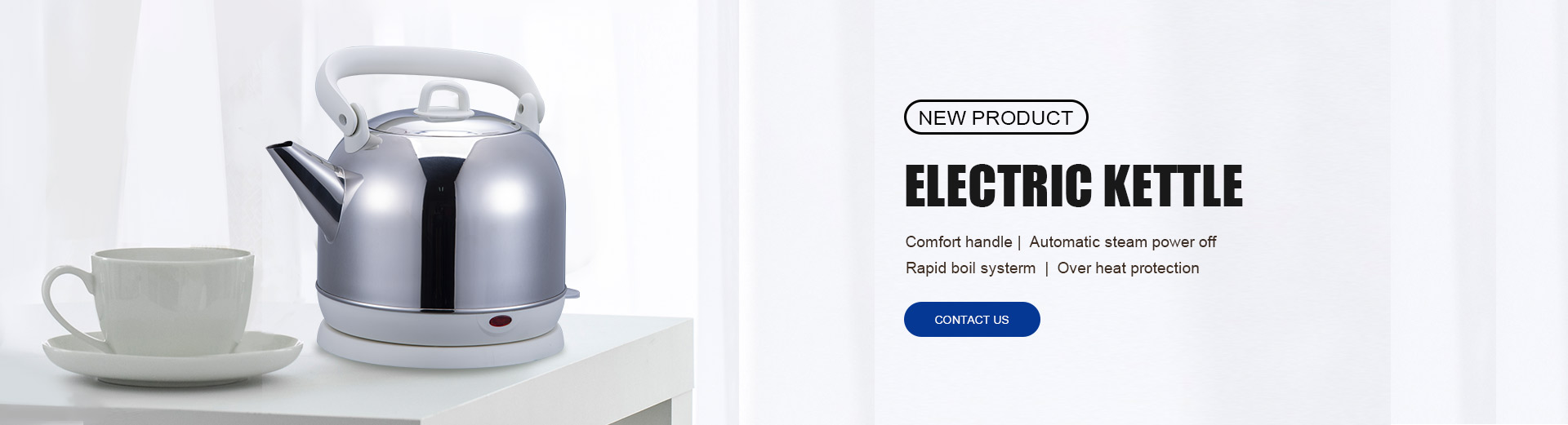
An electric kettle is a reliable companion in the kitchen, but even the best models can occasionally suffer from burn marks or discoloration inside or outside the body. Burnt residue may appear after boiling without enough water, overheating, or accidental misuse. It not only affects the appearance of your kettle but can also alter the taste of water and reduce heating efficiency.
Fortunately, you don’t need harsh chemicals or professional cleaning services. With proper care and the right techniques, your kettle can be restored to its original shine quickly and safely.
Burn marks in an electric kettle usually result from one of the following situations:
Boil-Dry Condition: Operating the kettle without enough water can cause the heating plate to overheat and scorch.
Mineral Build-Up: Hard water deposits can harden into dark stains when exposed to repeated high heat.
Spilled Liquids: Sugary or flavored drinks boiled in the kettle can leave sticky residues that burn over time.
External Heat Exposure: Setting the kettle on a hot stove or near a burner can discolor or deform the outer shell.
Understanding the cause helps determine the safest cleaning approach.
Before starting, make sure the kettle is completely safe to handle.
Unplug the kettle and allow it to cool completely.
Remove the base and detachable parts, such as filters or lids.
Avoid immersing the entire kettle in water, especially the base where electrical components are located.
Prepare simple cleaning materials — white vinegar, lemon juice, baking soda, mild dish soap, and a soft sponge.
This is the most effective natural method for removing burnt residue and limescale.
Steps:
Mix equal parts of white vinegar and water, enough to cover the burnt area.
Pour the mixture into the kettle.
Boil once, then let the solution sit for 15–20 minutes.
Discard the liquid and rinse thoroughly with clean water.
Boil plain water once more to remove any vinegar smell.
The acidic nature of vinegar loosens burnt deposits and restores shine without damaging the stainless-steel surface.
Baking soda is gentle yet powerful for removing stubborn black spots.
Steps:
Mix 2 tablespoons of baking soda with a small amount of water to form a paste.
Apply the paste directly to burnt areas using a soft cloth or sponge.
Let it sit for 10–15 minutes to break down the residue.
Gently scrub and rinse with warm water.
For heavier stains, repeat the process twice. Avoid using steel wool or sharp scrapers that could scratch the inner surface.
Lemon is a natural cleaner that eliminates both burn marks and unpleasant odors.
Steps:
Cut one fresh lemon into thin slices.
Fill the kettle halfway with water and add the slices.
Boil and leave to soak for 30 minutes.
Pour out and rinse several times.
This method restores brightness to the metal and leaves a fresh citrus scent.
If the outside of the kettle is discolored or burnt:
Wipe it gently using a soft cloth soaked in warm water and mild detergent.
For stubborn stains, use a mixture of vinegar and water (1:1) — but never let liquid seep into the electrical parts.
Avoid scouring pads, alcohol, or abrasive cleaners that can damage coatings.
Dry immediately with a soft towel to prevent water spots.
Shenbao’s stainless-steel kettles feature scratch-resistant finishes that can be safely cleaned using these simple methods.
After a burn incident, your kettle may retain a slight metallic or smoky smell.
To remove it:
Fill the kettle with water and add 1 tablespoon of lemon juice or a teaspoon of baking soda.
Boil the mixture once and pour it out.
Rinse thoroughly and leave the lid open to air dry.
This process eliminates odor without affecting performance or material integrity.
To keep your kettle looking and working like new:
Always ensure enough water is inside before turning it on.
Use only for boiling water, not milk, tea, or soup.
Descale regularly if you live in an area with hard water.
Do not leave the kettle on the base when empty for long periods.
Wipe spills immediately to avoid residue buildup.
Store in a dry place away from direct heat sources.
Proper habits prevent burn marks and maintain the kettle’s performance for years.
If the burn is severe — for example, the heating plate is warped, the plastic insulation is melted, or the inner coating is peeling — cleaning may not restore safe functionality. In such cases, it’s best to replace the unit rather than risk electrical failure or contamination.
Shenbao’s kettles are built with boil-dry protection and thermal fuses to prevent such damage, ensuring long-term safety in normal use.
No. Metal scrubbers can scratch and damage the surface. Use soft cloths, sponges, or non-abrasive brushes.
Yes. Vinegar is mildly acidic and safe for food-grade stainless steel when used properly and rinsed well afterward.
Yes, but always dilute it with water (1:1 ratio). Never boil pure vinegar, as it may produce strong fumes.
Use baking soda paste or lemon juice. Apply, soak, then wipe clean with a soft cloth.
It may indicate a faulty thermostat or incorrect usage (turning it on empty). Replace the kettle if the problem persists.
Cleaning a burnt electric kettle is simple when you use natural and safe materials like vinegar, baking soda, and lemon juice. These methods remove stains, eliminate odors, and restore shine without harming the kettle’s structure.
To prevent future damage, always operate your kettle properly, maintain water levels, and clean it regularly.
Shenbao Electric Appliance Co., Ltd. designs its stainless-steel electric kettles with advanced protection systems — including boil-dry prevention, automatic shut-off, and thermal insulation — to ensure safety, durability, and easy maintenance.
Learn more about Shenbao’s full range of energy-efficient, easy-to-clean kettles at www.shenbao-china.com — where innovation keeps your daily routine safe and simple.