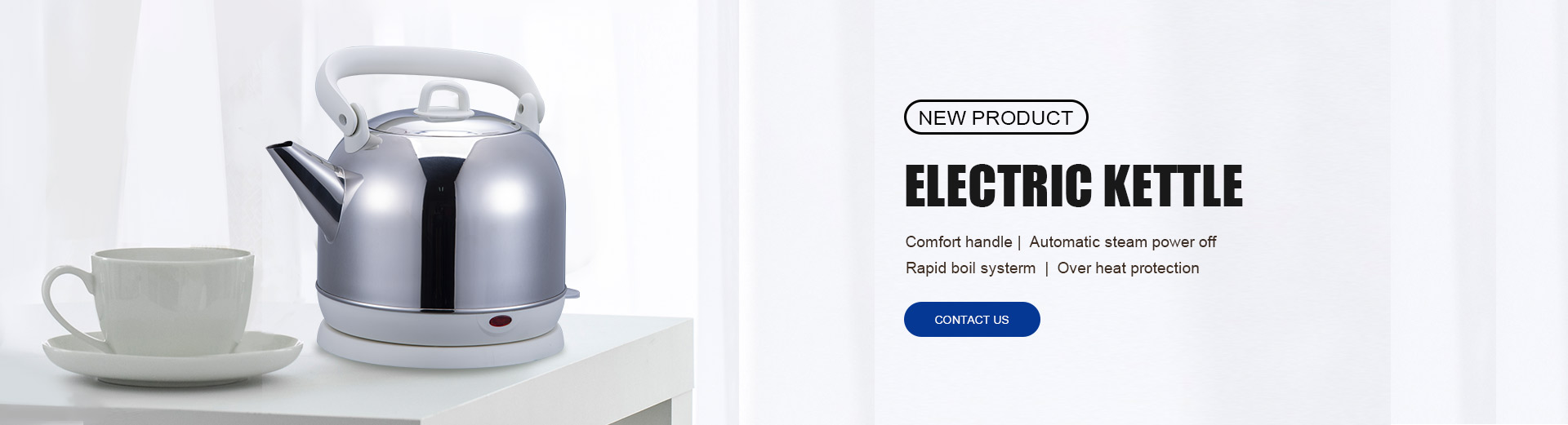
Over time, the bottom of an electric kettle can develop white spots, mineral stains, or burnt residue from constant heating and water evaporation.
This buildup not only affects the kettle’s appearance but can also reduce heating efficiency and alter the taste of boiled water.
Fortunately, cleaning the bottom of your kettle is simple and safe when done correctly.
Here’s a complete guide on how to clean both the inside bottom (heating plate) and the outside base surface of your electric kettle effectively.
The bottom of the kettle is the area most exposed to heat and mineral deposits.
If not cleaned regularly, it can lead to:
Limescale accumulation, which slows down heating.
Discoloration or burn marks, caused by high-temperature residue.
Reduced efficiency, as heat transfer becomes uneven.
Unpleasant odors or metallic taste in water.
Regular cleaning ensures your kettle maintains fast boiling performance, energy efficiency, and long service life.
White vinegar or lemon juice
Baking soda (optional for deep stains)
Soft cloth or non-abrasive sponge
Clean water
Microfiber towel for drying
Avoid using harsh chemicals, steel wool, or scouring pads — these can scratch the surface and damage the heating plate.
Mix 1 part white vinegar to 2 parts water (for example, 250 ml vinegar + 500 ml water).
Pour the mixture into the kettle until it covers the stained area.
Switch on the kettle and let the mixture boil once.
After it reaches boiling point, turn it off and let the solution sit for 15–20 minutes.
The acid in vinegar breaks down mineral deposits and lifts burnt residue.
After soaking, use a soft sponge or cloth to gently wipe the bottom interior.
For stubborn white or brown spots, sprinkle a small amount of baking soda onto the damp surface and rub lightly.
Pour out the cleaning solution and rinse the kettle thoroughly.
Boil a full kettle of clean water once to remove any remaining vinegar smell or residue.
This process restores the heating plate’s shine and improves heating speed.
If you notice black or brown burn marks, the cause is often dry-boiling or overheating.
To remove them safely:
Create a paste of baking soda and water.
Apply the paste to the burnt area and let it sit for 10–15 minutes.
Wipe gently with a damp sponge or soft cloth.
Rinse thoroughly and dry with a soft towel.
For very stubborn marks, repeat the process once or twice instead of using abrasive tools.
The outside bottom and detachable power base also need periodic cleaning to ensure safety and electrical efficiency.
Always disconnect the power supply and ensure both kettle and base are completely cool.
Dampen a cloth with mild soap and water, then wipe the exterior bottom gently.
Avoid letting water enter the electrical connector.
Use a dry or slightly damp cloth to remove dust or water stains from the base surface.
Never immerse the base in water — it contains live electrical components.
Before reassembling, wipe both parts with a dry microfiber towel and leave them for several minutes to air dry fully.
This prevents corrosion and maintains stable contact between the kettle and its power connector.
Use filtered water to reduce mineral deposits.
Empty the kettle daily and avoid leaving water inside overnight.
Descale regularly every 2–3 weeks in areas with hard water.
Do not overfill, as water can splash and evaporate onto the heating surface.
Avoid boiling milk or tea directly in the kettle, which can leave burnt stains.
Following these steps keeps your kettle clean and running efficiently for years.
Always unplug before cleaning.
Never immerse the kettle or base in water.
Allow to cool completely before handling.
Do not use sharp tools or harsh cleaners.
Always boil fresh water after any vinegar or lemon cleaning to remove taste.
Shenbao’s stainless-steel kettles are designed for easy maintenance, featuring wide openings, smooth inner walls, and corrosion-resistant heating plates that simplify cleaning without risk to electrical safety.
That’s mineral scale from hard water. It’s harmless but reduces efficiency—clean regularly with vinegar or lemon.
No. It will scratch and damage the stainless-steel surface. Always use a soft cloth or sponge.
Yes. Diluted vinegar safely dissolves calcium deposits without harming the kettle.
Every 1–2 weeks for frequent use, or monthly if your water is soft.
Repeat with baking soda paste or replace the unit if the damage is deep. Modern kettles with boil-dry protection (like Shenbao models) minimize such issues.
Cleaning the bottom of an electric kettle is a simple yet essential part of maintenance.
Using natural agents like vinegar, lemon, or baking soda, you can easily remove limescale and stains without harsh chemicals or abrasion.
A clean bottom ensures faster heating, better-tasting water, and longer appliance life.
Shenbao Electric Appliance Co., Ltd. designs its stainless-steel electric kettles for durability, easy cleaning, and optimal performance. With smooth heating plates, wide openings, and safety-tested components, every Shenbao kettle offers both reliability and convenience.
Learn more about Shenbao’s full kettle series at www.shenbao-china.com — where smart design makes daily maintenance effortless.