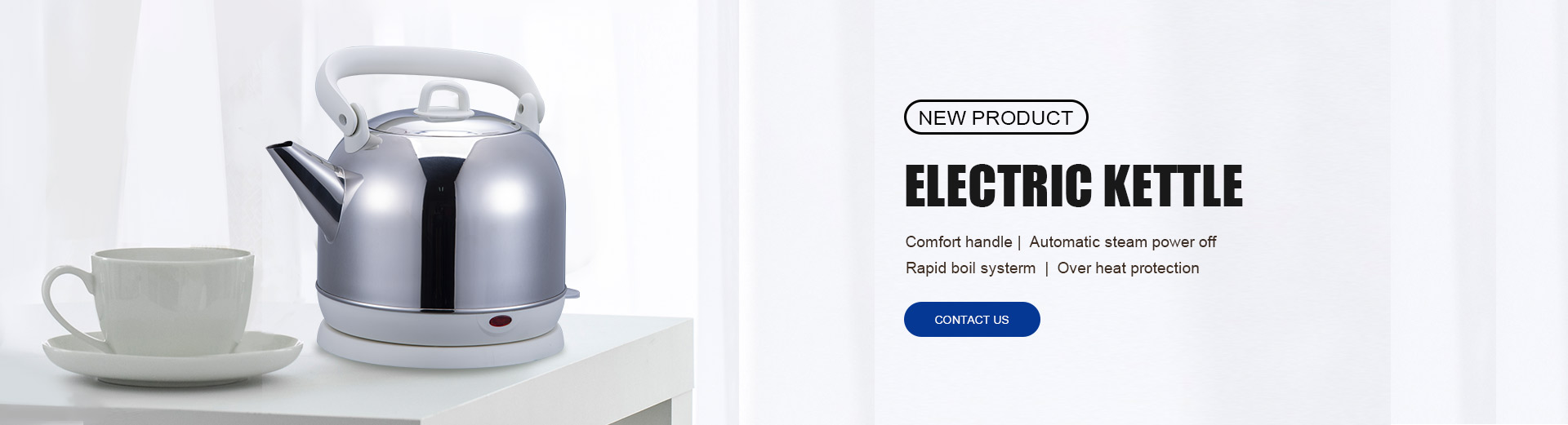
An electric kettle is designed to heat water rapidly until it reaches boiling point. In most household environments, the water inside the kettle reaches approximately 100°C under standard atmospheric pressure. This is the temperature at which water transitions to steam, activating the automatic shut-off mechanism. The precision of this temperature control ensures safety and consistent performance during daily use.
Most electric kettles used for home boiling function with a fixed heating system. Once the water reaches boiling temperature, the kettle switches off. This makes the internal water temperature consistent at around 100°C, but minor variations can occur depending on altitude and air pressure.
Some modern kettles include preset temperature options. These models allow users to heat water to lower levels such as:
60°C for warm drinks
70–80°C for green tea
85–90°C for oolong tea
95°C for coffee or herbal tea
These kettles stop heating before reaching boiling, offering precise control for beverages that require gentle extraction.
At higher altitudes, water boils at a lower temperature. For example, at several thousand meters above sea level, boiling may occur at around 90–95°C. Kettles still shut off when boiling is achieved, but the peak temperature reached will be lower than in low-altitude regions.
Kettles designed with high-efficiency heating plates reach boiling faster and maintain stable temperature near the boiling point. Manufacturers using improved heating discs ensure a consistent and rapid rise in water temperature, which benefits daily users.
Stainless Steel Kettles retain heat well and maintain stable boiling temperatures. Glass or mixed-material kettles show similar temperature performance, but heat retention patterns may differ slightly after the kettle switches off.
Once the internal thermostat detects steam at boiling temperature, the kettle automatically stops heating. This prevents overheating and protects the heating element from damage.
When water reaches its highest temperature, steam travels upward through the kettle’s internal channels. This steam movement is what triggers the shut-off system, ensuring the temperature does not exceed boiling under normal conditions.
Even after shut-off, the interior water may remain between 90°C and 98°C for several minutes. This is normal, especially in kettles with thicker insulation or double-wall construction.
Most household kettles become warm or hot on the outside. Stainless steel models conduct heat to the exterior, while cool-touch or insulated designs stay significantly cooler. Daily-use kettles often include insulation to reduce surface heating and improve safety.
Heat-resistant handles remain cool enough for safe pouring. Lids may show warmth due to steam, but manufacturers ensure they remain safe to touch and open carefully after boiling.
The heating disc under the water reaches temperatures much higher than 100°C during operation. Although water prevents excessive temperature rise, the metal surface is engineered to withstand high heat cycles safely.
Built-in protection prevents the heating plate from exceeding safe limits. Boil-dry protection cuts power if the kettle operates without water, avoiding overheating and material damage.
Daily-use kettles manufactured with advanced heating technology, such as those developed by experienced OEM and ODM producers, are engineered to reach and maintain safe boiling temperatures without fluctuation. High-grade thermostats, durable heating plates, and quality internal components ensure that the kettle maintains consistent heating performance across thousands of cycles. These design measures support safety, energy efficiency, and longer appliance lifespan.
An electric kettle heats water to approximately 100°C under standard conditions. Factors such as altitude, kettle design, and temperature-control features influence the exact value, but most kettles consistently reach boiling and automatically shut off at that point. The heating element itself operates at higher internal temperatures, while the outer body varies depending on insulation and materials. With proper engineering and safety systems, modern kettles maintain controlled heating to deliver hot water efficiently and reliably for daily use.