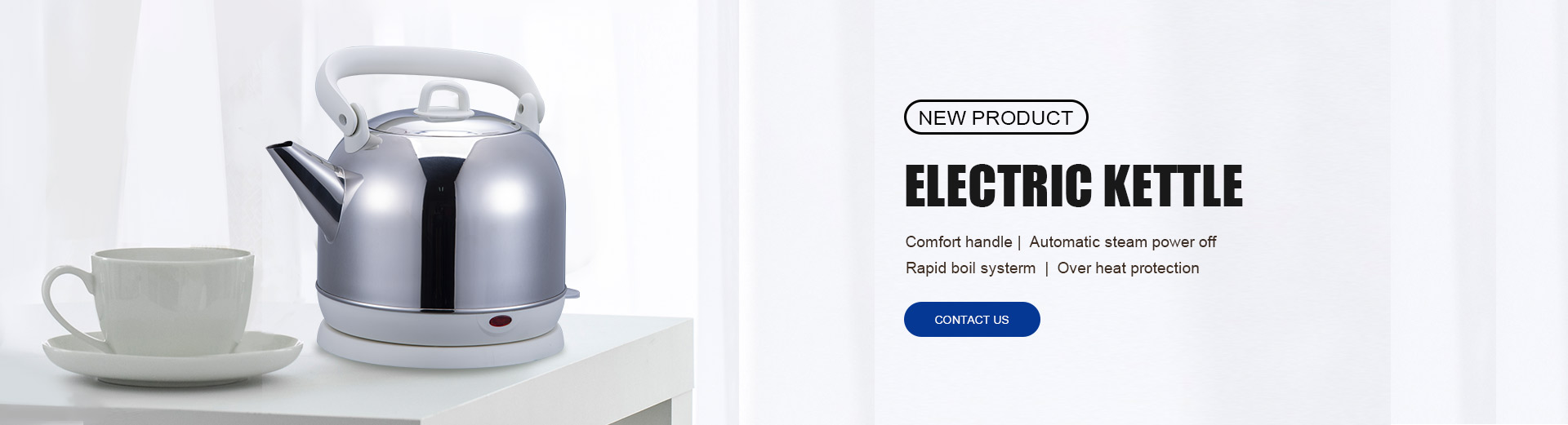
An electric kettle is designed to consume power only when actively heating water. In most cases, a kettle that is plugged in but not switched on does not draw meaningful electricity. The heating element remains inactive until the switch is engaged, and no current flows through the system. This makes kettles energy-efficient appliances in terms of standby consumption.
Some kettles include small standby indicator lights or illumination features built into the power base. If these lights remain on while the kettle is plugged in, they may draw a very small amount of electricity. The usage is minimal and generally does not affect energy bills in a noticeable way.
Advanced kettles with temperature selection buttons or digital displays may use a small amount of standby power to keep internal circuits active. These models maintain readiness for the next heating cycle and require a minimal continuous supply of current.
Kettles designed with scheduling functions, keep-warm modes, or smart controls may consume electricity when plugged in, even when not heating. This is because their internal processors and sensors remain active to maintain system responsiveness.
Standard kettles use a physical switch connected to the heating element. When the user pushes the switch down, electricity flows; when released, the circuit is open. With no completed circuit, no power is consumed.
traditional kettles lack internal batteries or capacitors that store energy. Without these features, the appliance cannot draw or retain power unless actively heating.
The electrical path within a basic kettle is straightforward. Power flows only when the thermostat, switch, and heating element are engaged. The simplicity of this design eliminates unnecessary standby draw.
If a kettle has an LED light or low-power electronics, the standby usage is extremely small—generally less than one watt. Over the course of a year, this usage remains negligible.
Without the heating element engaged, kettles do not perform any high-energy function. Heating water accounts for almost all of a kettle’s energy consumption.
Most modern kettles are engineered with insulated wiring, durable contacts, and automatic shut-off protections. Leaving a kettle plugged in is normally safe as long as the power cord and socket are in good condition.
If the kettle is used frequently throughout the day, keeping it plugged in offers convenience without meaningful energy waste. However, unplugging the kettle may be advisable in homes with children, pets, or limited counter space.
Although kettles do not heat unless switched on, some users prefer to unplug high-wattage appliances as part of a general electrical safety practice.
Unplugging a kettle does not affect its lifespan. The mechanical components and heating element are not harmed by removing power.
Plugging and unplugging frequently may cause mild wear on the socket or plug over many years, but this is minimal and rarely affects functionality.
Kettles produced by professional appliance manufacturers are typically engineered to avoid unnecessary electrical consumption. Heating plates, thermostats, and control boards are designed to remain fully inactive until user input initiates heating. Even advanced models use low-power circuitry that minimizes standby usage. This design approach ensures energy efficiency and safety for daily users.
A standard electric kettle does not use electricity when plugged in unless it is actively heating water. In models with indicator lights or digital controls, a very small amount of standby power may be consumed, but the usage is minimal. The heating element remains inactive until the switch is engaged, meaning kettles are generally energy-efficient appliances outside of boiling cycles.