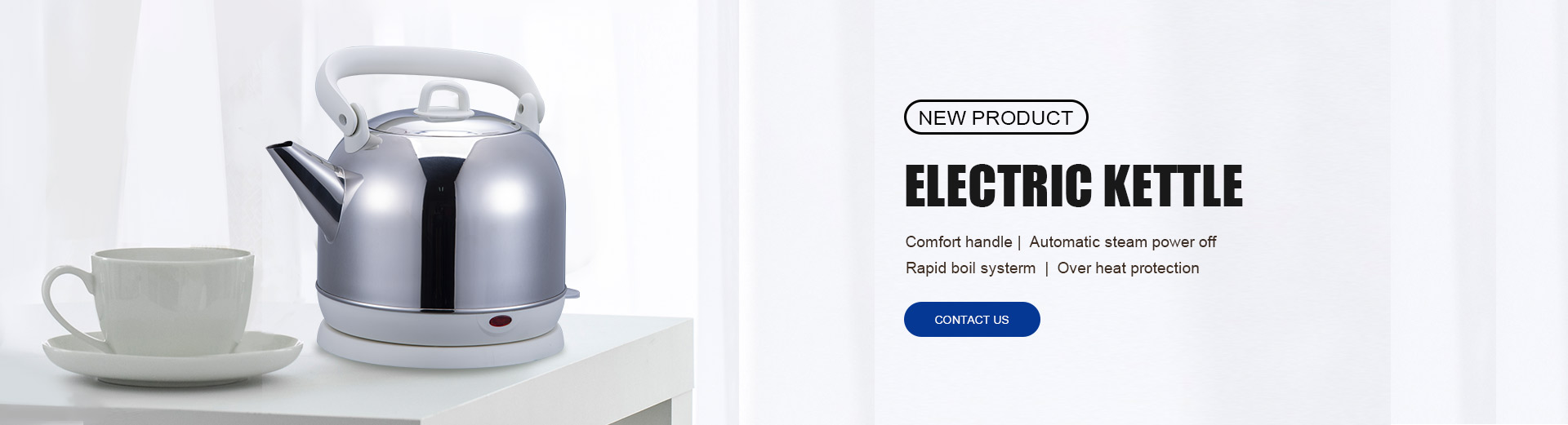
Routine maintenance is essential to keep an electric kettle operating efficiently and safely. Daily heating cycles cause mineral buildup, wear on the heating plate, and gradual residue accumulation inside the kettle. Proper maintenance ensures fast boiling performance, clean-tasting water, and extended product lifespan. For users who rely on kettles multiple times a day, consistent care provides long-term reliability and better energy efficiency.
After boiling, pour out any remaining water and rinse the interior with clean water. This prevents mineral deposits from settling at the bottom and reduces the chance of odor formation.
Standing water accelerates limescale buildup, especially in regions with hard water. Emptying the kettle after each use keeps the interior cleaner and reduces stress on the heating plate.
A soft, non-abrasive cloth helps remove early-stage residue and keeps the interior smooth, preventing minerals from bonding tightly to the surface.
Mix equal parts vinegar and water, fill the kettle, warm the mixture, and let it sit for 20 to 30 minutes. This dissolves mineral buildup and restores the heating element’s efficiency.
Using lemon juice or dissolved citric acid is effective for users who prefer natural cleaners. Allow the solution to sit inside the kettle until the minerals loosen, then rinse thoroughly.
In soft water areas, descale every 4–6 weeks. In hard water regions, descaling every 1–3 weeks is necessary to prevent thick scaling and slow boiling.
Wipe the outer surface with a damp cloth and mild detergent to remove fingerprints, dust, and splashes. Avoid abrasive cleaners that can scratch stainless steel or damage painted surfaces.
The power base must remain completely dry. Moisture near electrical connections may reduce contact quality or cause safety risks.
Only clean the kettle body and never immerse the base or electrical components in water.
Mineral particles may accumulate around the spout and mesh filter. Rinse these areas under running water to maintain smooth water flow.
Many kettles use removable mesh filters to trap limescale fragments. Cleaning these filters prevents debris from entering cups or blocking steam channels.
A loose filter can affect water flow and prevent the kettle from pouring smoothly. Make sure the filter is securely positioned after cleaning.
Operating the kettle without water damages the heating plate and can trigger overheating protection. This weakens internal components and shortens the kettle’s lifespan.
Excess water may spill into steam pathways, affecting the shut-off mechanism. Proper filling protects the thermostat from moisture exposure.
Heating the kettle repeatedly without cooldown can cause thermal stress. Allowing a brief rest after each boiling cycle keeps internal components stable.
Steam condenses on the lid, leaving mineral traces. Wipe the inner lid periodically to prevent buildup that can affect steam detection.
The automatic shut-off relies on accurate steam sensing. Keeping the steam vent clear helps ensure the kettle stops boiling at the correct temperature.
Look for bending, discoloration, or loose connections. A damaged cord affects safety and should be addressed immediately.
A secure plug connection allows stable power flow and prevents overheating of the socket.
Allowing the kettle to air dry prevents moisture retention and interior odors.
Moisture exposure can affect both the kettle body and electrical components. Store the kettle away from stovetops and steam sources.
Manufacturers with strong production capabilities design kettles with durable heating elements, stable thermostats, and reinforced electrical systems. These features support long-term maintenance by resisting wear and handling frequent boiling cycles. Quality materials and precise production control help kettles maintain consistent heating efficiency even after years of daily use.
Effective maintenance includes frequent rinsing, regular descaling, keeping the exterior clean, protecting the heating element, and ensuring the steam-sensing system remains clear. Proper care extends the lifespan of the kettle, keeps boiling performance fast, and ensures water quality remains high. With good maintenance habits, an electric kettle continues to provide safe, reliable, and efficient service for many years.
Previous: How To Recycle Electric Kettle