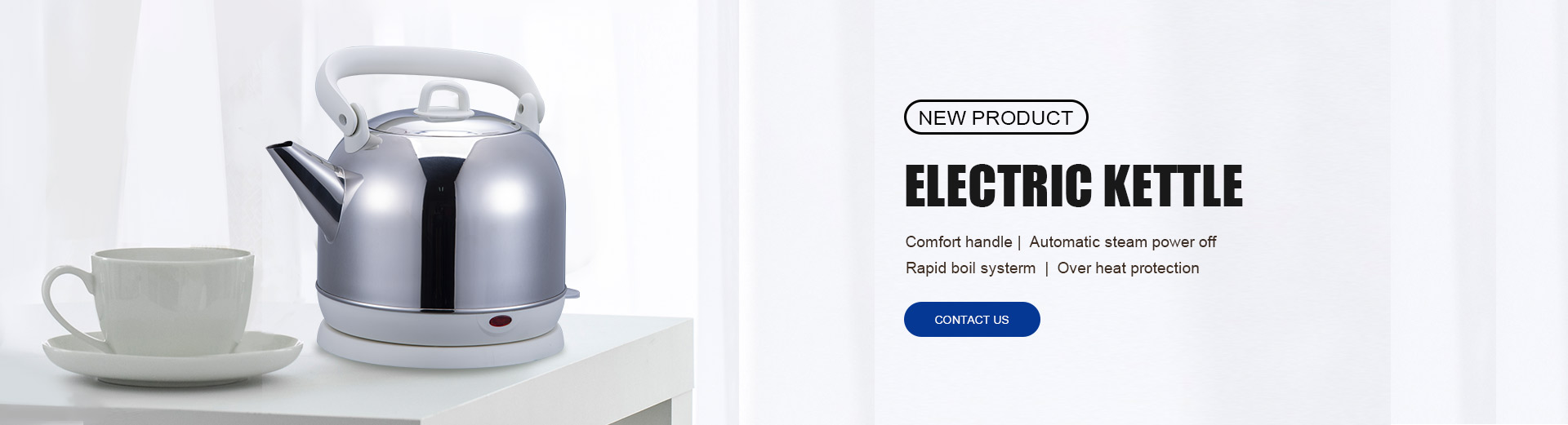
electric kettles contain metals, plastics, heating elements, wiring, thermostats, and electronic components that should not be discarded with regular household waste. Many of these materials can be recovered and reused, while others must be handled properly to prevent environmental harm. Recycling an electric kettle ensures that valuable materials such as stainless steel and copper are not wasted and that electronic parts are processed safely.
If the kettle still works, consider reuse before recycling. Donating it, giving it to another household, or offering it to community collection programs extends its lifespan and reduces overall waste.
If the kettle does not heat properly, has broken components, or poses a safety risk, recycling is the appropriate next step. Heating failures, cracked bodies, and damaged wiring indicate the product should not be reused.
Many electric kettles have removable filters, lids, or base components. These parts can be separated to streamline recycling.
Metal mesh filters
Plastic or stainless steel lids
Detachable bases for specific models
Internal wiring, thermostats, and heating plates should be handled by professional recycling facilities. Opening the kettle entirely may expose heating components that require special disposal.
The kettle body or inner chamber is often made from stainless steel, which is highly recyclable and retains value in scrap metal processing.
Food-grade plastics, handles, and outer shells may be recyclable depending on the type and condition. These materials require sorting to ensure proper handling.
Inside the heater and thermostat, copper wiring contributes to the kettle’s electrical function. These metals can be recovered during the electronics recycling process.
Kettles are classified as small household electrical appliances and should be taken to an e-waste recycling center. These facilities have the equipment to safely extract metals, remove electronic boards, and process plastics.
Some regions offer scheduled pickup for small electrical appliances. These programs ensure kettles are not placed in general waste streams.
Certain appliance retailers accept old kettles for recycling when purchasing new ones. This supports responsible disposal and closes the loop in the product lifecycle.
If the kettle contains a significant amount of stainless steel, metal recycling centers may accept it. However, electronic components must still be handled by specialized processors.
Ensure the kettle is dry and empty to avoid moisture affecting other collected electronics.
Light cleaning helps recycling workers identify material types and improves processing efficiency.
Many kettles use a separate base containing electrical connectors. This piece should be recycled along with the kettle but may be processed differently due to its wiring.
Electronic waste takes decades to break down and may release harmful substances. Recycling stops kettles from entering landfills.
Stainless steel, copper, aluminum, heating alloys, and high-quality plastic can be reintroduced into manufacturing cycles.
Reusing recycled metal requires significantly less energy than producing new materials from raw ore.
Responsible disposal supports a circular economy in which appliances are reused, repurposed, or recycled efficiently.
Manufacturers committed to sustainability design kettles with recyclable components and streamlined disassembly structures. Stainless steel chambers, removable filters, modular power bases, and simplified internal layouts help recycling facilities recover materials efficiently. This design approach also reduces long-term environmental impact and aligns with modern resource-conservation standards.
Recycling an electric kettle involves identifying whether the appliance is reusable, separating detachable components, and delivering the kettle to an approved e-waste or metal recycling facility. Proper recycling prevents environmental harm, recovers valuable materials, and supports sustainable product lifecycles. With thoughtful disposal practices, consumers contribute to reducing waste and promoting responsible use of household appliances.