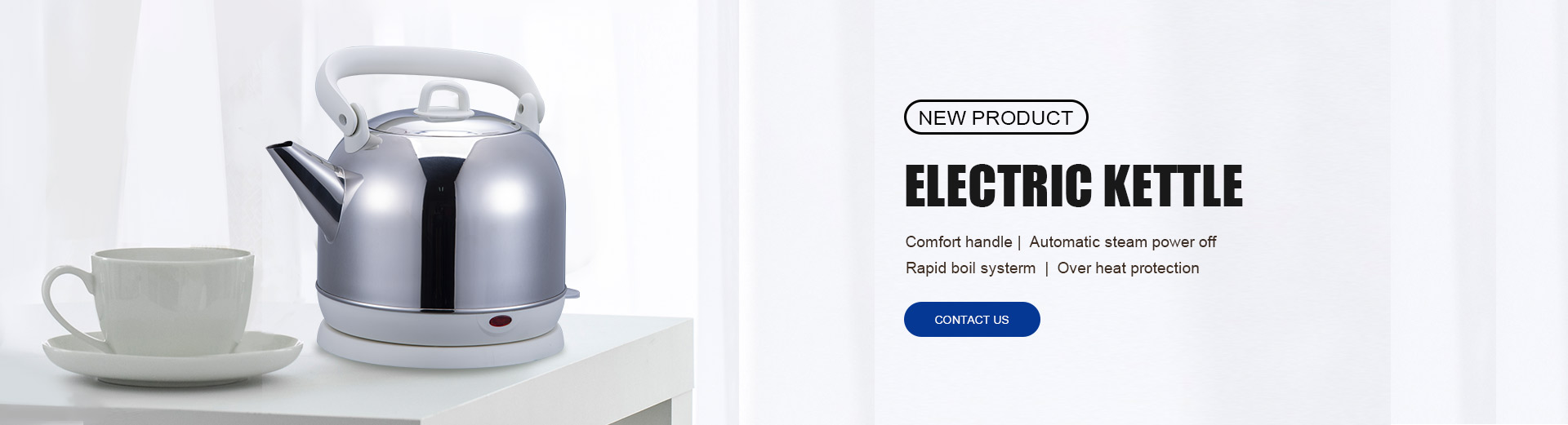
Brown stains inside an electric kettle are typically caused by mineral deposits, tea residue, or the natural oxidation of minerals found in hard water. Over time, these stains adhere to the kettle’s inner walls or heating plate, affecting water clarity, altering taste, and reducing boiling efficiency. Regular cleaning prevents buildup and helps maintain the kettle’s heating performance.
Mix equal parts white vinegar and water. This acidic mixture softens mineral layers and breaks down the staining compounds that cause discoloration.
Warm the solution inside the kettle without boiling it. Then unplug the kettle and allow the mixture to sit for 20 to 30 minutes. The acetic acid reacts with mineral residue, lifting brown stains from the interior surface.
After soaking, pour out the solution and rinse the kettle several times with clean water to remove any leftover vinegar smell or taste.
Squeeze the juice of one or two lemons into the kettle and add enough water to cover the stained areas. Lemon contains citric acid, which is effective for dissolving mineral-based stains.
Warm the mixture slightly, then let it sit for 20 to 30 minutes. The acid loosens brown stains without leaving strong odors.
After soaking, use a soft sponge to gently wipe the interior. Rinse thoroughly to restore a clean, fresh interior.
Mix baking soda with a small amount of water to form a soft paste. Apply this paste to interior surfaces where stains remain after soaking.
Use a non-abrasive cloth or sponge to avoid scratching the kettle’s interior. Baking soda lifts surface discoloration and removes odor.
Rinse until no residue remains. This ensures the kettle does not retain any baking soda taste during the next boil.
Add one tablespoon of citric acid powder to warm water inside the kettle. Citric acid is highly effective for removing stubborn brown deposits.
Let the mixture sit for 10 to 15 minutes. It dissolves thick deposits and restores the metal surface’s appearance.
Pour out the mixture, wipe the interior if needed, and rinse thoroughly with fresh water.
Do not use steel wool, metal brushes, or harsh powders that may scratch stainless steel or damage kettle linings. Scratches make it easier for stains to reattach.
Since a kettle is used for boiling water, only safe cleaning agents such as vinegar, lemon, baking soda, and citric acid should be used.
Brown stains can accumulate near the lid due to steam concentration. Wipe the underside of the lid with vinegar or lemon water to remove residue.
Many kettles include mesh filters that trap mineral particles. Rinse or soak the filter separately to keep water flow clean.
Standing water encourages mineral sedimentation. Emptying the kettle after each use prevents stain formation.
Filtered or softened water reduces mineral content, slowing the development of stains.
Descaling every two to six weeks keeps the interior free of mineral buildup, preventing brown stains from forming.
Tea leaves and tannins create brown staining. Brew tea in a teapot or cup, not in the kettle.
High-quality kettles feature smooth stainless steel interiors and well-engineered heating plates that resist staining and simplify cleaning. Manufacturers with strong production capabilities design kettles with detachable filters, wide openings, and corrosion-resistant materials, making routine maintenance easier and improving long-term performance.
Brown stains can be removed effectively using vinegar, lemon juice, baking soda, or citric acid. These methods dissolve mineral deposits, lift discoloration, and restore the kettle’s interior surface. Regular cleaning, using filtered water, and avoiding tea brewing inside the kettle help prevent future staining. With proper care, an electric kettle remains clean, efficient, and safe for daily use.