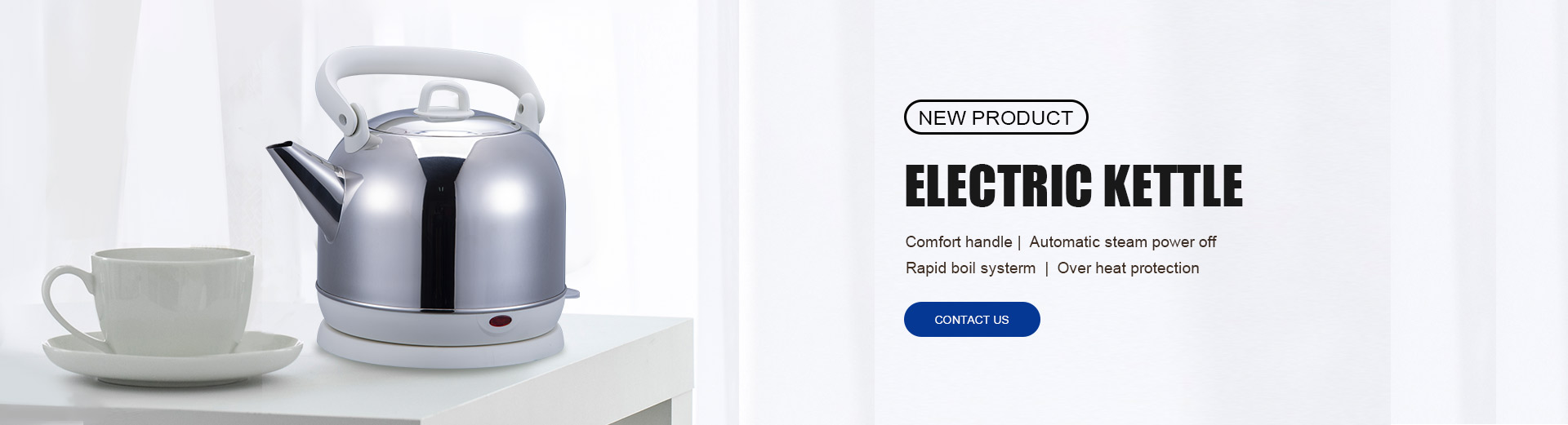
Calcium buildup in an electric kettle occurs when hard water is repeatedly heated. Hard water contains dissolved minerals such as calcium and magnesium. When boiled, these minerals separate from the water and form white, chalky deposits along the kettle’s inner walls and heating plate. Over time, these deposits reduce boiling efficiency, slow heating, and can affect the taste and clarity of hot water. Removing calcium regularly keeps the kettle clean, efficient, and safe for daily use.
Fill the kettle with equal parts white vinegar and water. The acetic acid in vinegar reacts with calcium deposits and breaks them down.
Warm the solution inside the kettle, but do not let it reach a rolling boil. After heating, unplug the kettle and let the mixture sit for 20 to 30 minutes. The loosened calcium will begin to detach from the surfaces.
Pour out the solution and rinse the kettle thoroughly to eliminate any vinegar smell. If deposits remain, repeat the process to achieve a clean interior.
Squeeze the juice of one or two lemons into the kettle and add enough water to cover the calcium deposits. Lemon contains citric acid, which dissolves light to moderate buildup naturally.
Warm the solution and turn off the kettle. Let it sit for 20 to 30 minutes so the acid can soften the deposits.
After soaking, wipe the interior with a soft sponge and rinse the kettle thoroughly.
Add one tablespoon of citric acid powder to a full kettle of warm water. This is one of the most effective methods for heavy, long-term calcium buildup.
Warm the mixture, unplug the kettle, and let it rest for 10 to 15 minutes. The citric acid dissolves the toughest deposits quickly.
Rinse several times with clean water to remove any acidic residue.
Combine baking soda with a small amount of water to form a paste. Apply it to remaining calcium spots after the main descaling process.
Use a gentle, non-abrasive cloth to avoid scratching the kettle’s metal interior. Baking soda lifts leftover calcium but should be used carefully.
Make sure all baking soda is removed before boiling water again.
Calcium can accumulate on the spout filter or around the opening. Remove the filter if possible and soak it in vinegar or lemon water.
Cleaning these areas ensures smooth water flow and supports the kettle’s automatic shut-off mechanism.
Do not use steel wool, metal brushes, or abrasive powders. These can scratch stainless steel or coated surfaces, making future calcium buildup more difficult to remove.
Natural cleaning agents like vinegar, lemon, citric acid, and baking soda are safe for appliances that heat drinking water.
Leaving water inside encourages minerals to settle and harden. Emptying the kettle helps slow the buildup process.
Filtered water contains fewer mineral particles, reducing the frequency of calcium formation.
In hard water regions, descale the kettle every 1 to 3 weeks. In soft water regions, descaling every 4 to 6 weeks usually suffices.
Leave the lid open after use to allow moisture to evaporate naturally. This prevents minerals from drying and attaching firmly to the surface.
Kettles manufactured with high-quality stainless steel interiors, efficient heating elements, and smooth internal surfaces are less prone to heavy calcium buildup. Wide openings, removable filters, and durable thermostat designs make cleaning easier and maintain strong performance over long-term use.
Calcium can be removed using vinegar, lemon juice, citric acid, or baking soda. These methods dissolve mineral deposits and restore the kettle’s heating efficiency. Preventive habits—such as emptying the kettle after each use, using filtered water, and descaling regularly—help maintain a clean and efficient appliance. With consistent care, an electric kettle remains safe, reliable, and effective for daily hot water needs.