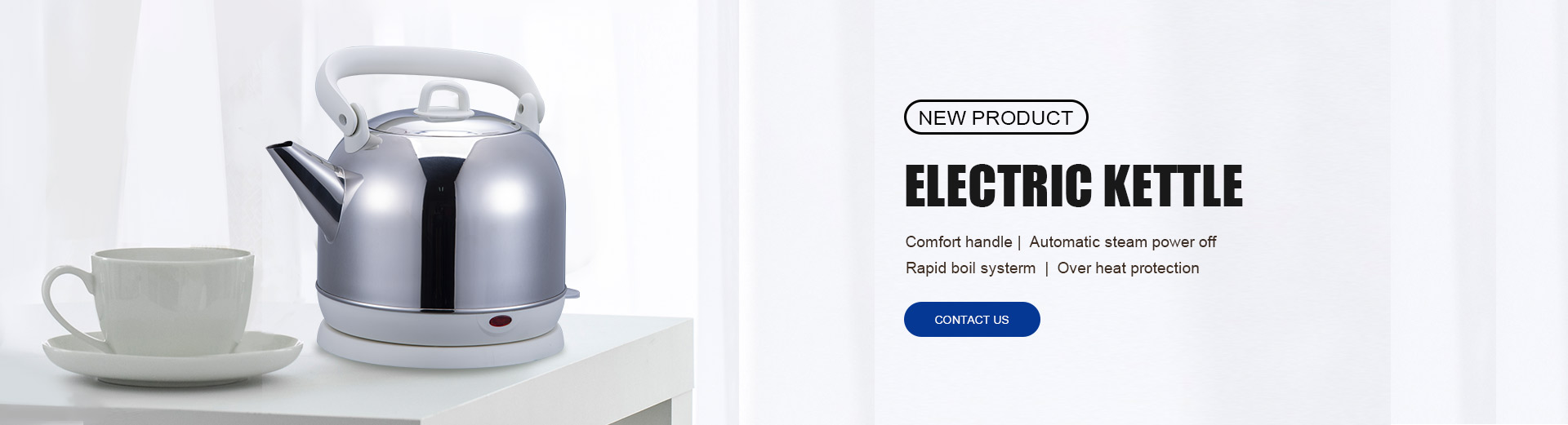
Using an electric kettle for the first time requires simple preparation steps to ensure safe operation, remove manufacturing residues, and improve the taste of boiled water. New kettles may contain small amounts of dust, oils, or packaging particles from production and transport. Proper first-time use ensures that the kettle operates efficiently and provides clean, clear water from the beginning.
Remove the kettle from the packaging and confirm that all parts are included, such as the kettle body, power base, lid, and removable filter if applicable. Inspect the cord, plug, and body for any visible damage.
The manual provides model-specific instructions regarding maximum fill lines, safety precautions, and operating procedures. Understanding these helps avoid misuse during the initial setup.
Fill the kettle with clean water and rinse the interior thoroughly to remove dust or loose particles from manufacturing.
Use a soft cloth to wipe the outside of the kettle. Ensure the base and electrical connectors remain completely dry.
Pour clean cold water into the kettle, keeping the water level between the minimum and maximum marks. Avoid overfilling, as this can cause water to spill during boiling.
Ensure the kettle sits properly on the power base. The connector should be stable and fully aligned for safe heating.
Turn on the kettle to begin heating. Allow it to reach a full boil, and let it shut off automatically. This first boil helps remove factory residues and prepares the internal components for regular use.
Once boiling is complete, discard the water. The first boil may contain impurities or light odors from the internal surfaces.
Refill the kettle with fresh water and boil again. This second boil helps ensure the interior is fully clean and ready for safe drinking use.
Most kettles automatically turn off when the water reaches boiling. This prevents overheating and protects the heating element.
This safety feature stops the kettle from heating when there is no water inside, preventing internal damage.
Use the handle when lifting the kettle and ensure the lid is securely closed during boiling to avoid steam release or spillage.
Cold water improves heating efficiency and ensures better taste. Avoid reboiling leftover water, as it concentrates minerals and may affect flavor.
electric kettles are designed specifically for heating water. Heating other liquids can cause burning, residue buildup, and potential damage to the heater.
Always ensure the base stays dry and free from spills. Moisture can affect the electrical contacts and compromise safety.
Leaving water in the kettle encourages limescale buildup. Emptying it helps maintain the interior and reduces mineral formation.
Wipe the exterior and descale the interior periodically, depending on water hardness. Regular maintenance keeps the kettle performing efficiently.
When not in use, unplug the kettle and allow it to cool. Store it in a dry area away from moisture and heat sources.
electric kettles produced with precise manufacturing, durable heating plates, and food-grade interior materials ensure stable performance from the first boil. High-quality thermostats and safety mechanisms provide reliable shut-off and protect the kettle during initial and long-term use. A well-built kettle offers consistent boiling results, energy efficiency, and long-lasting service.
To use an electric kettle for the first time, unpack and inspect it, rinse the interior, perform an initial boil, discard the water, and repeat for cleanliness. Follow safety instructions, use proper operating habits, and maintain the kettle regularly. These steps ensure the kettle functions safely, delivers clean-tasting water, and provides efficient boiling from the very beginning.