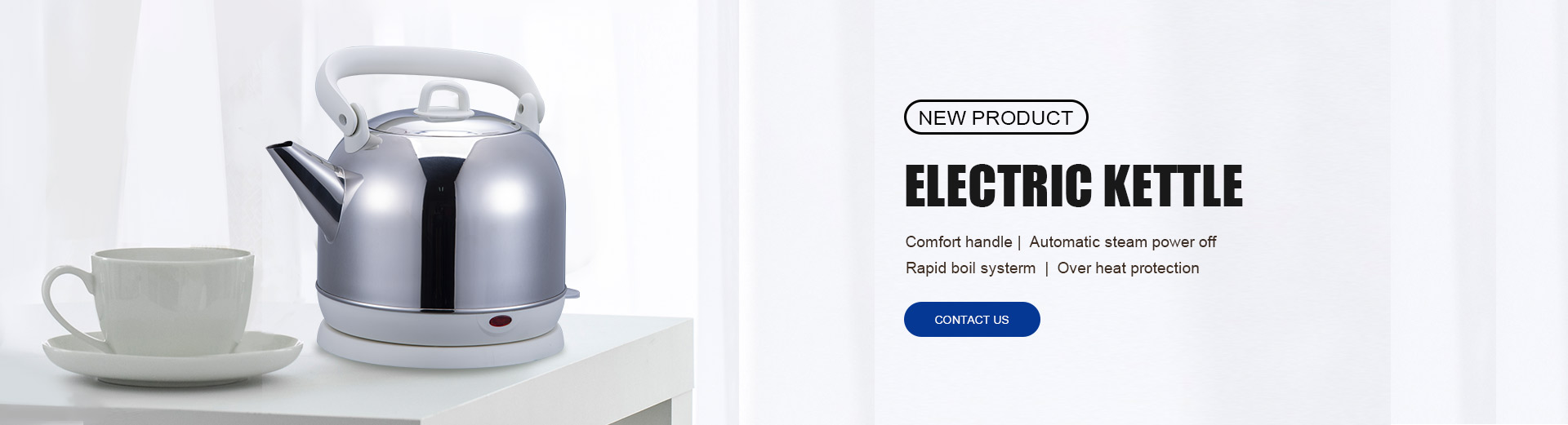
electric kettles heat water quickly and accurately, making them suitable for preparing a wide range of teas. Whether brewing delicate green tea or strong black tea, water temperature plays a critical role in flavor, aroma, and extraction. Using an electric kettle helps achieve consistent results, especially if the kettle offers temperature control. Even basic kettles provide fast boiling, convenience, and reliability for everyday tea preparation.
Before heating water, check that the kettle is free from limescale, residue, or lingering odors. A clean kettle ensures pure-tasting tea.
Use fresh cold water for better flavor extraction. Avoid reboiling old water since it concentrates minerals and affects taste.
Keep the water level between the minimum and maximum marks. This ensures safe heating and efficient temperature control.
Proper water temperature prevents bitterness or weak flavor. Here are common recommendations:
Green tea: 70–80°C
White tea: 75–85°C
Oolong tea: 80–90°C
Black tea: 95–100°C
Herbal tea: 100°C
If the kettle has temperature control, select the appropriate setting. If it does not, allow boiled water to cool for a few minutes before using it for delicate teas.
Most electric kettles automatically stop when the water reaches boiling. This prevents overheating and supports energy efficiency.
Loose-leaf tea provides stronger aroma and better flavor extraction, while tea bags offer convenience. Use the correct amount per cup—typically one teaspoon of loose tea or one tea bag.
For loose-leaf tea, use a strainer or infuser. Ensure the container is heat-resistant and large enough for tea leaves to expand.
Pour the water gently to avoid splashing and allow even saturation of the tea leaves.
Place a lid over the cup or teapot to preserve heat and encourage full extraction.
Different teas require specific steeping durations:
Green tea: 1–3 minutes
White tea: 2–5 minutes
Oolong tea: 3–5 minutes
Black tea: 3–5 minutes
Herbal tea: 5–7 minutes
Adjust the time based on personal preference.
Leaving leaves or tea bags in hot water too long leads to bitterness or astringency. Remove them once the steeping time is complete.
Add sugar, honey, lemon, or milk depending on the tea type and personal taste. Some teas, such as black tea, pair well with milk, while green teas are best enjoyed plain.
Tea leaves and residues can stain the kettle and interfere with its heating function. Always boil water separately, then pour it onto the tea.
Let the kettle cool, pour out any remaining water, and rinse to prevent mineral buildup.
Depending on water hardness, descale every few weeks to maintain heating efficiency and water quality.
Such kettles allow precise heating, essential for specialty teas like green or white tea.
Pour a small amount of hot water into your brewing vessel to preheat it. This maintains a stable temperature during steeping.
Filtered water reduces mineral content, improves flavor clarity, and slows limescale buildup.
Fresh tea always tastes better. Heat only the amount of water you need for efficiency and flavor.
Electric kettles manufactured with durable stainless steel interiors, accurate thermostats, and stable heating elements create reliable and consistent water temperatures. Models with advanced control technology support different tea types by offering precise heat adjustments. Quality kettles designed by experienced manufacturers also include safety features that protect users during repeated daily use.
To make tea using an electric kettle, fill the kettle with fresh water, heat it to the correct temperature, pour it over tea leaves or a tea bag, and steep for the recommended time. Avoid brewing tea directly in the kettle, clean the kettle regularly, and use quality water for the best results. With proper use, the electric kettle becomes an essential tool for preparing flavorful, aromatic tea every day.
Previous: What Does An Electric Kettle Do