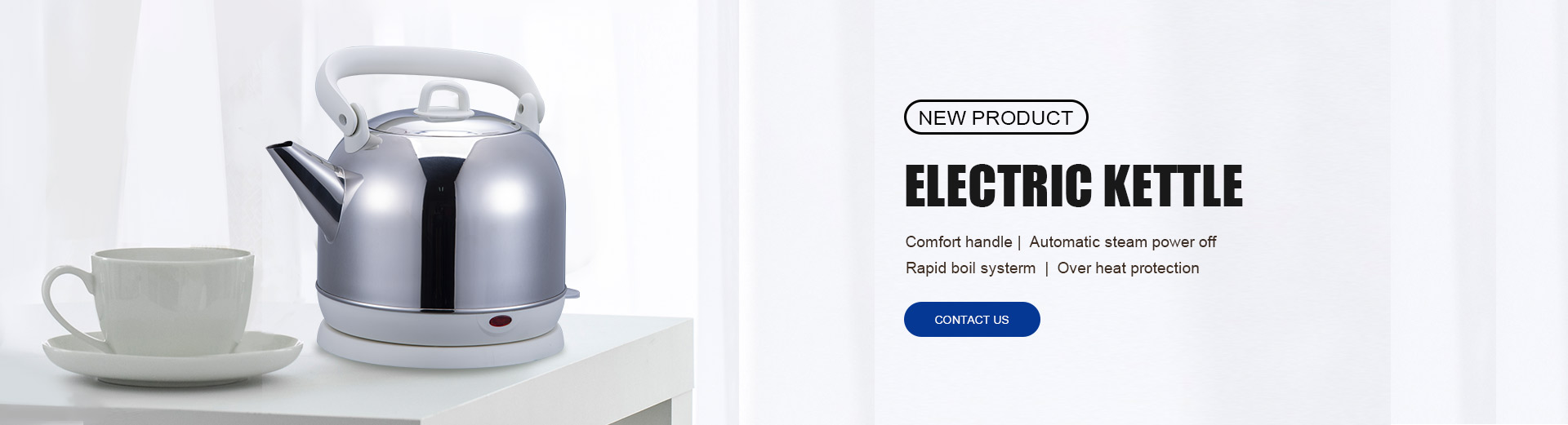
Descaling an electric kettle is essential because mineral deposits from hard water build up over time on the heating plate and inner walls. These deposits, mainly calcium and magnesium, reduce heating efficiency, alter water taste, slow boiling time, and can interfere with the automatic shut-off mechanism. Regular descaling ensures clean water, optimal performance, and extends the lifespan of the kettle.
Fill the kettle with a mixture of equal parts white vinegar and water. Vinegar’s acetic acid dissolves mineral buildup effectively and reaches deep into layers of scale.
Warm the mixture but stop before it reaches a full boil. Heating activates the vinegar and speeds up the descaling process.
After heating, unplug the kettle and let the solution sit. The acid softens thick limescale layers and lifts them from the metal surface.
Pour out the solution and rinse the kettle several times to remove any vinegar smell. If scale remains, repeat the process.
Add one tablespoon of citric acid to a full kettle of warm water. Citric acid is stronger than lemon juice and is often used in professional descaling products.
Warm the solution gently, unplug the kettle, and allow it to soak for 10–15 minutes. It breaks down even stubborn scale.
Ensure the kettle is fully rinsed to remove any acidic residue before boiling water again.
Squeeze one to two lemons into the kettle, then add water to cover all deposits. Citric acid in lemon juice helps dissolve mild buildup naturally.
Warm the mixture, unplug the kettle, and let it sit for 20–30 minutes. Lemon leaves a fresh scent and removes early-stage scale effectively.
After soaking, rinse the kettle thoroughly and wipe remaining residue with a soft sponge.
Mix baking soda with a small amount of water to form a paste. Apply this to stubborn patches left after descaling.
Use a non-abrasive cloth to avoid scratching the kettle’s interior.
Ensure all traces of baking soda are removed to avoid affecting water taste.
If your kettle includes a removable filter, soak it in vinegar or lemon water to remove scale fragments.
Cleaning the spout and filter prevents blockages and ensures the auto shut-off sensor functions correctly.
Hard water areas: descale every 1–3 weeks
Moderate water areas: descale every 3–6 weeks
Soft water areas: descale every 6–8 weeks
Frequent users may need to descale more often to maintain performance.
Do not use steel wool or abrasive brushes. These scratch stainless steel interiors and create rough surfaces that attract more scale.
Kettles heat drinking water, so only safe, food-grade descalers like vinegar, citric acid, or lemon should be used.
The electrical base should never be placed in water during cleaning.
Standing water allows minerals to settle and harden on surfaces.
Water with fewer minerals reduces scale formation.
Keeping the lid open after use allows moisture to evaporate and slows mineral accumulation.
Perform quick rinsing and light cleaning every few days to prevent thick buildup.
Kettles constructed with smooth stainless steel interiors, efficient heating elements, and reliable thermostats are easier to descale and maintain. High-quality manufacturing ensures the kettle withstands repeated descaling cycles without degrading performance or structural integrity.
The most effective method to descale an electric kettle is using a solution of equal parts vinegar and water, heated gently and soaked for 20–30 minutes. Citric acid offers a powerful alternative for heavy buildup, while lemon juice works well for lighter cleaning. Baking soda may be used afterward for surface polishing. Regular descaling, combined with good daily habits, keeps the kettle efficient, safe, and long-lasting.