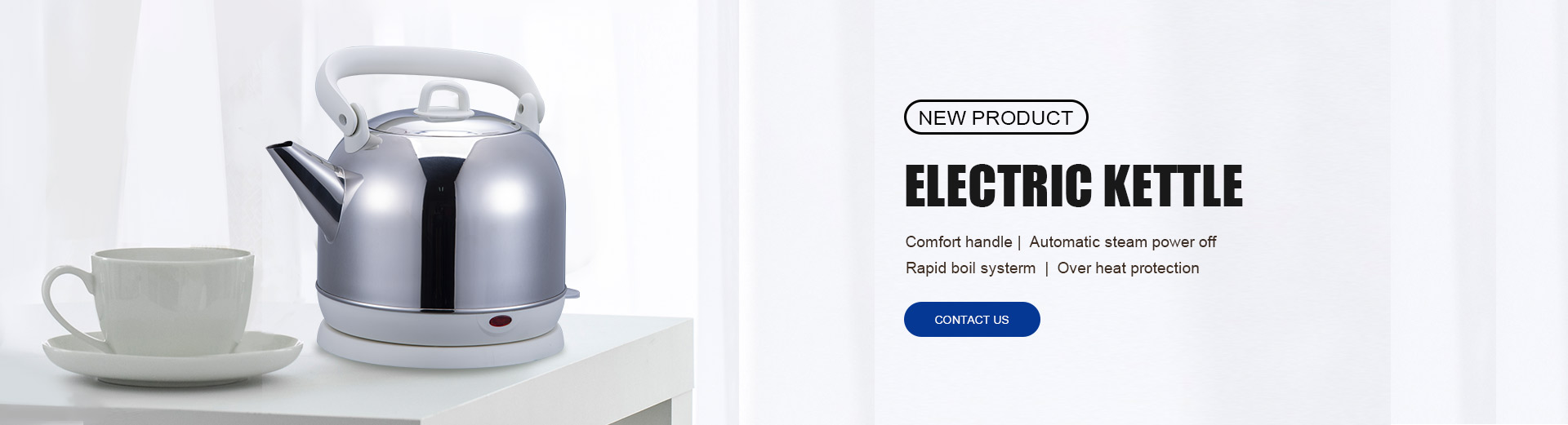
Heating water is a common household activity, and both electric kettles and stovetop methods are widely used. The energy efficiency of each method depends on how effectively heat is transferred to the water and how much energy is lost during the process. Comparing these two options helps determine which appliance is more efficient, faster, and more cost-effective for everyday use.
Electric kettles contain a heating element that sits directly in contact with the kettle base. This allows heat to transfer efficiently to the water with minimal loss, making the process highly effective.
Because the heating element is optimized for rapid boiling, electric kettles typically boil water faster than stovetop kettles. Less time spent heating generally means less energy consumed.
Electric kettles stop heating automatically when the water reaches boiling temperature. This prevents energy waste and ensures consistent results.
Most electric kettles are designed to retain heat in a contained space, reducing heat loss during the boiling process.
Stoves heat the bottom of the kettle indirectly. A significant portion of the heat escapes around the kettle rather than being transferred directly into the water.
Stovetop boiling usually takes more time, especially on gas ranges where heat spreads outward. Longer heating duration leads to higher overall energy consumption.
Unless the user manually turns the stove off at boiling, energy is often wasted. Overheating and unnecessary simmering frequently occur.
Gas stoves: Much of the flame heat is lost to the surrounding air.
Electric coil stoves: Provide slightly better efficiency but still lose heat.
Induction stoves: More efficient than gas or coil, but still generally less efficient than an electric kettle due to indirect heating.
For boiling small to moderate amounts of water, electric kettles generally use less energy than stovetops. The direct contact heating, fast boil time, and automatic shut-off contribute to greater energy savings.
Heating 1 liter of water:
Electric kettle: Usually 80–90% energy efficient
Induction stove: Around 70–80% efficient
Electric coil stove: Around 70% efficient
Gas stove: Around 40–50% efficient
Because electric kettles convert most of their electrical energy directly into heat inside a confined space, they lose far less energy during operation.
Boiling more water than needed wastes energy on both appliances. Electric kettles help prevent this by offering visible water-level indicators.
For multiple small boils throughout the day, electric kettles maintain consistent efficiency. Stovetops waste more residual heat with each use.
Stainless steel and well-insulated kettles reduce energy loss. Thin, lightweight stovetop kettles heat less efficiently.
Leaving a stovetop kettle on after boiling wastes energy. Electric kettles eliminate this issue with automatic shut-off.
For heating very large amounts of water (such as for cooking pasta or blanching vegetables), stovetops may become more practical despite lower efficiency.
If the stove is already on for cooking, heating water simultaneously may not significantly increase energy consumption.
In outdoor or off-grid settings, a gas stove or burner can be the only option.
Electric kettles are specifically engineered for boiling water. This includes:
High-efficiency heating plates
Insulated walls
Rapid-boil design
Automatic shut-off systems
Even in frequent daily use, electric kettles consistently deliver fast boil times and efficient energy consumption.
Unlike stovetops, kettles prevent heat from escaping into the surrounding air, making them more energy-efficient and safer to handle.
Electric kettles typically use less energy than stovetops due to their efficient heating element, faster boiling time, and automatic shut-off. Stoves lose more heat during operation and take longer to boil water. While stovetops may be practical for large-volume cooking, electric kettles remain the more efficient choice for everyday water boiling needs such as tea, coffee, and instant foods.