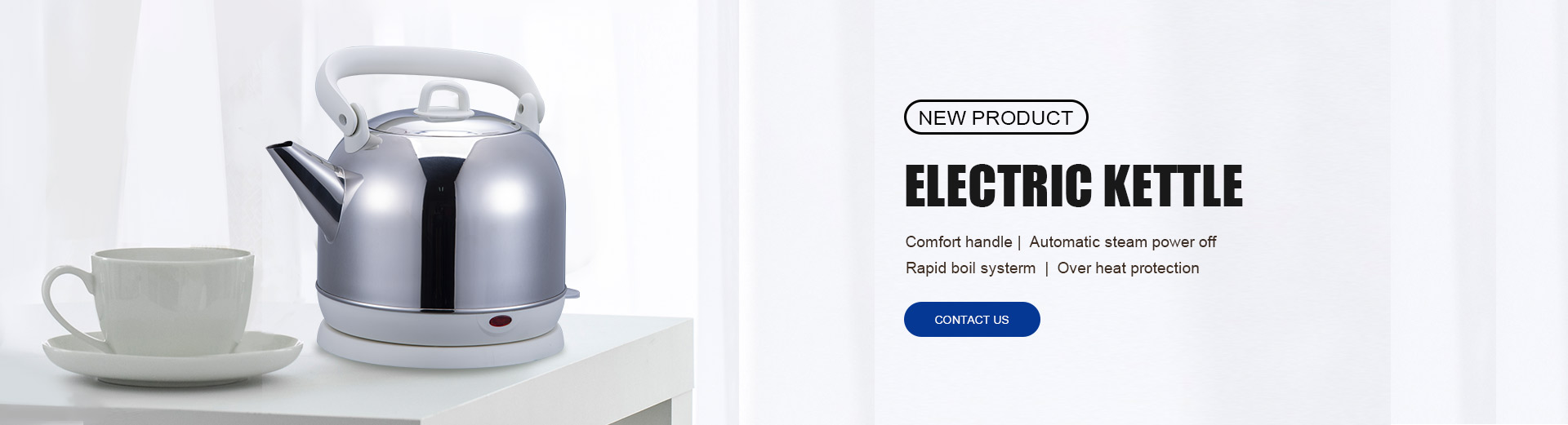
electric kettles are known for fast boiling, but many users notice that they can also be surprisingly loud, especially as the water approaches boiling point. From a product engineering and manufacturing perspective, this noise is not a defect. In most cases, it is a natural result of high-efficiency heating, internal structure, and water conditions.
Understanding where the noise comes from helps users and overseas buyers correctly judge product quality and normal operating behavior.
The primary source of kettle noise is rapid boiling.
electric kettles heat water very quickly. As the heating plate reaches high temperature, water in direct contact with the base begins to boil before the rest of the water volume. This creates:
Large steam bubbles forming rapidly
Violent bubble collapse as they rise
Strong water movement near the base
These actions generate rumbling, roaring, or growling sounds. Faster heating generally leads to louder boiling.
electric kettles use a high-power heating plate or element at the bottom.
As the plate heats:
Metal expands slightly
Water circulation becomes turbulent
Micro-vibrations form at the heating surface
These vibrations transfer through the kettle body. If the kettle is designed for fast boiling, vibration intensity increases, making the sound more noticeable.
From a manufacturing standpoint, this vibration is a normal byproduct of high thermal output.
As water reaches boiling temperature, steam pressure builds inside the kettle.
When steam escapes through:
The lid vent
The spout
Internal steam channels
It produces hissing or rushing sounds. Sudden pressure release can briefly amplify vibration, adding to the overall noise during the final heating stage.
Kettle body material strongly influences how loud the boiling sounds feel.
Metal bodies transmit vibration efficiently
Rigid structures reflect sound waves internally
Thin walls amplify internal noise
As a result, kettles with metal bodies often sound louder than those with softer or thicker materials, even if heating performance is similar.
This is a sound transmission effect, not a sign of poor quality.
Hard water plays a major role in kettle noise.
When minerals accumulate on the heating plate:
Water becomes trapped under scale layers
Steam bubbles form unevenly
Bubble collapse becomes more violent
This creates popping, crackling, or rattling sounds. From long-term product testing, kettles with heavy limescale consistently operate louder than clean ones.
Operating with water close to the minimum level increases noise.
With less water:
The heating plate is less evenly covered
Localized boiling becomes aggressive
Water circulation weakens
This causes stronger vibration and louder sound. Proper water volume helps stabilize boiling behavior.
Many electric kettles produce a sharp clicking sound at the end of the cycle.
This sound comes from the thermal or steam-based shut-off mechanism activating. It indicates that the safety system is working correctly and is considered normal operation.
Normal operating sounds include:
Increasing rumble as water heats
Loud bubbling near boiling
Steam hissing
A clear click at shut-off
These sounds reflect efficient heat transfer and fast boiling.
Noise may indicate maintenance issues if:
Boiling is extremely loud and irregular
Popping or cracking sounds are persistent
Heating time has become longer
Noise appears suddenly after long use
In most cases, these symptoms point to heavy limescale buildup, not structural failure.
From a factory and quality-control perspective, loud operation is often linked to high heating efficiency, not poor design. Kettles engineered for rapid boiling naturally produce stronger internal water movement and vibration.
Well-designed products manage this noise within acceptable limits while prioritizing speed, safety, and long service life.
Electric kettles are loud primarily because they heat water very quickly and efficiently. Rapid bubble formation, heating plate vibration, steam release, and sound transmission through rigid materials all contribute to the noise.
In most cases, a loud electric kettle is functioning normally. Maintaining proper water levels and removing limescale regularly can significantly reduce noise and restore smoother, quieter operation without affecting performance.