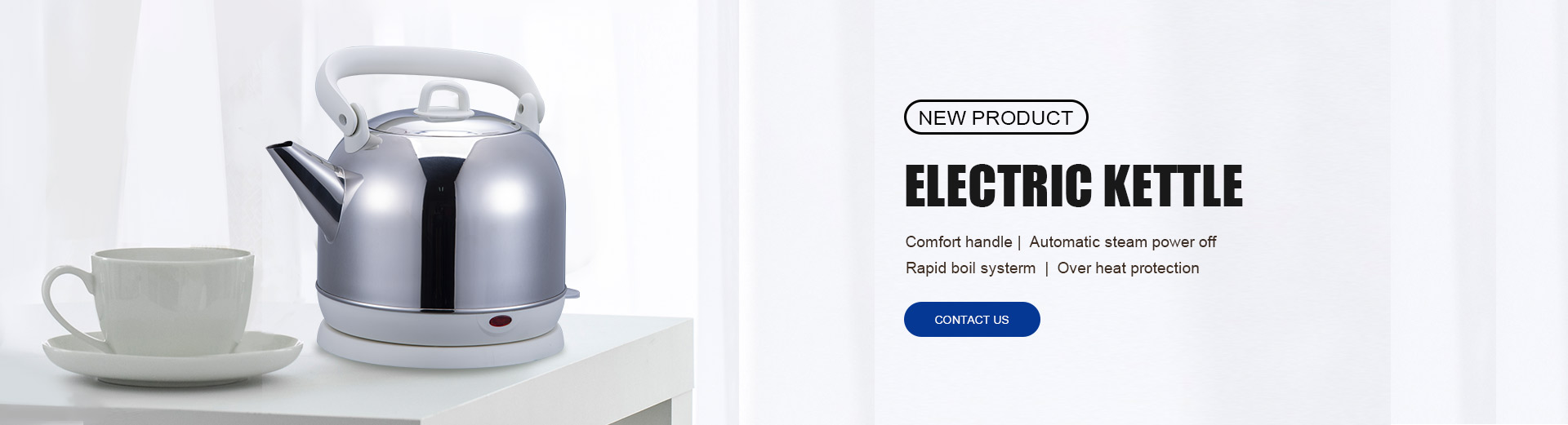
Rust or rust-like stains inside an electric kettle are a common concern, especially in areas with hard water or high iron content. In many cases, what looks like rust is actually iron residue or mineral deposits, not corrosion of the kettle body itself. Cleaning it correctly restores water quality, heating efficiency, and long-term reliability.
From a product structure and maintenance perspective, rust removal should be gentle, acid-based, and timely.
Rust or brown stains usually form because of:
Iron minerals present in tap water
Standing water left inside the kettle
Heavy limescale trapping moisture on the heating plate
Infrequent cleaning in humid environments
True rust is rare in food-grade Stainless Steel Kettles. Most discoloration comes from water quality, not material failure.
Unplug the kettle and let it cool completely
Empty all remaining water
Check where the rust or brown stains appear
Most stains are found on the heating plate or along the lower walls.
Rinse the interior thoroughly with warm water to wash away loose particles.
Do not scrub at this stage.
This helps determine whether the stain is surface residue or bonded mineral buildup.
Citric acid is highly effective at dissolving iron residue and mineral deposits without damaging kettle components.
Fill the kettle halfway with clean water, above the minimum water mark.
Add 1–2 teaspoons of citric acid per liter of water.
Switch the kettle on and let it boil fully.
After automatic shut-off, let the solution soak for 20–30 minutes.
Pour out the solution carefully.
Rinse thoroughly with clean water 2–3 times.
This removes rust-like stains and underlying scale safely.
If citric acid is unavailable, white vinegar can be used.
Mix equal parts water and white vinegar.
Fill the kettle halfway.
Boil and soak for 20–30 minutes.
Empty and rinse thoroughly.
Boil clean water once or twice to remove odor.
Vinegar is effective but should not be overused due to its stronger acidity and smell.
After soaking:
Use a soft cloth or non-abrasive sponge
Gently wipe the heating plate and stained areas
Do not scrape or use abrasive tools
If stains remain, repeat the soaking process instead of applying force.
Fill the kettle with fresh water.
Boil once and discard the water.
This ensures no cleaning residue remains before normal use.
Do not use steel wool or metal brushes
Do not scrape the heating plate
Do not use bleach or harsh chemical cleaners
Do not immerse the kettle base in water
These actions can damage surfaces and compromise safety.
To reduce future rust or staining:
Empty the kettle after each use
Do not leave water standing overnight
Air-dry with the lid open
Descale regularly before mineral buildup hardens
Use filtered or low-iron water if available
Drying and regular descaling are the most effective preventive measures.
Consider replacing the kettle if:
Rust returns quickly after cleaning
Metal appears pitted or flaking
A metallic taste persists
Internal surfaces are visibly damaged
These signs may indicate compromised material integrity.
To clean rust in an electric kettle, use citric acid or vinegar descaling, allow proper soaking time, rinse thoroughly, and avoid abrasive cleaning. Most rust-like stains come from water minerals rather than the kettle itself and can be removed safely with correct maintenance.
Regular drying and preventive descaling keep electric kettles clean, efficient, and reliable over long-term daily use.
Previous: How To Dispose Electric Kettle