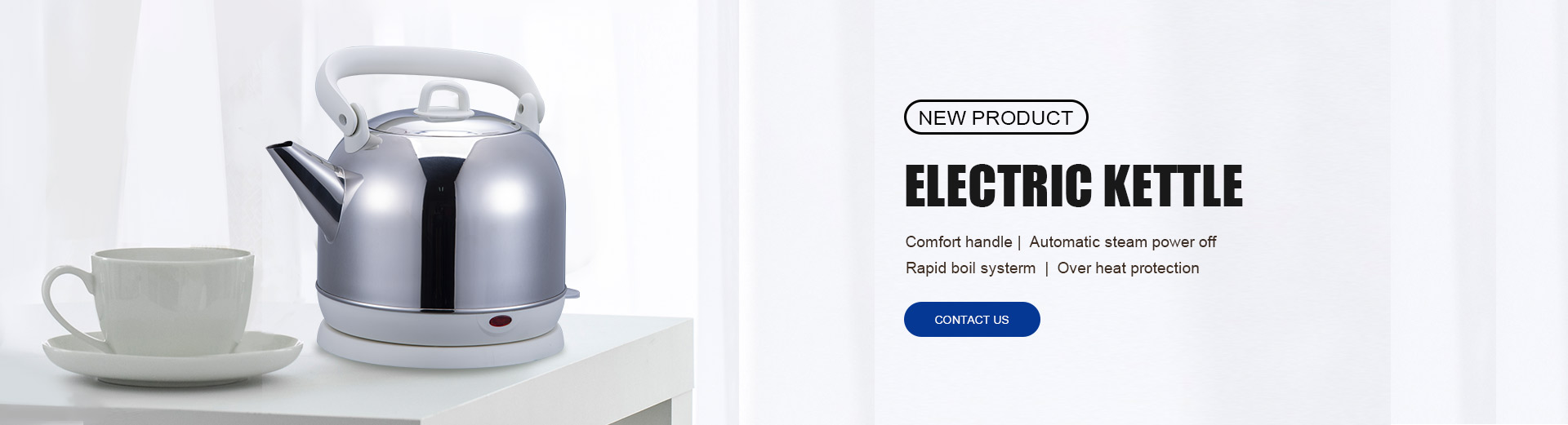
electric kettles should be disposed of responsibly and safely because they contain electrical components, metals, and plastics that are not suitable for regular household trash. Proper disposal protects the environment and complies with electronic-waste regulations.
Before disposal:
Unplug the kettle and let it cool completely
Empty all water and wipe it dry
If the cord is damaged or wires are exposed, handle carefully
electric kettles are classified as small household electrical appliances and should be disposed of as e-waste, not general trash.
Local electronic waste recycling centers
Municipal e-waste or household hazardous waste drop-off sites
Community e-waste collection events
These facilities safely separate and recycle metal, plastic, wiring, and electronic parts.
Some retailers or recycling programs accept old appliances, sometimes when you purchase a replacement. This ensures compliant disposal and reduces landfill waste.
Stainless Steel Kettles: Contain recyclable metal but still require e-waste processing due to electronics.
Glass Kettles: Wrap broken glass securely before transport; dispose via e-waste channels.
Plastic kettles: Must go to e-waste because of internal electrical components.
Do not throw the kettle in household trash if e-waste recycling is available
Do not dismantle the kettle yourself
Do not burn or crush the appliance
Do not dispose of it as scrap metal only
These actions can cause injury and environmental harm.
Store the kettle in a dry, safe place
Keep it out of reach of children
Dispose of it at the next available e-waste collection
The correct way to dispose of an electric kettle is through authorized electronic waste recycling. This ensures safe handling of electrical components, proper material recovery, and environmental protection. Treat electric kettles as e-waste—not regular trash—for responsible end-of-life disposal.