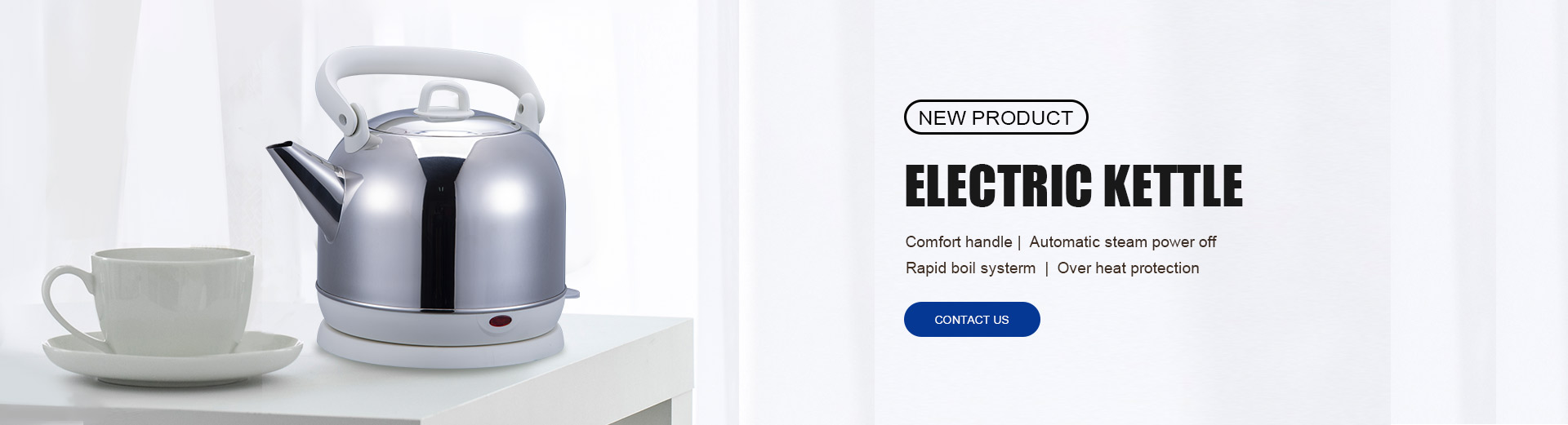
Yes—using an electric kettle is healthy and safe when the kettle is made with proper food-contact materials and is used and maintained correctly. electric kettles are designed specifically to boil water efficiently and hygienically, and they are widely used in homes, offices, and hospitality settings around the world.
Below is a clear, practical explanation from a product design, materials, and daily-use perspective.
Health safety depends mainly on what materials touch the water, not on the fact that the kettle is electric.
Well-made electric kettles use:
Food-grade stainless steel interiors
Heat-resistant glass
Certified food-safe plastics where applicable
These materials are stable at boiling temperatures and do not release harmful substances into water when manufactured to standard specifications. Food-grade stainless steel, in particular, is widely used in cookware and beverage equipment because of its corrosion resistance and chemical stability.
Health concerns generally arise only with low-quality products that use uncertified materials or poor internal coatings.
One of the biggest health advantages of an electric kettle is reliable water sterilization.
Boiling water:
Kills bacteria and microorganisms
Reduces biological contamination risks
Improves safety when using tap or stored water
Electric kettles reach boiling temperature quickly and consistently, which helps ensure effective disinfection without prolonged heating.
Electric kettles heat water using electricity rather than gas or open flame.
This means:
No combustion gases
No smoke or fumes
No indoor air pollution during use
From a health and indoor-air-quality perspective, this is a clear advantage, especially in enclosed spaces.
Many users worry about white residue inside kettles.
Limescale is made of calcium and magnesium minerals naturally present in water. It:
Is not harmful to health
May affect taste and heating efficiency
Should be cleaned for performance, not safety
Regular descaling improves kettle performance but is not required to make the water safe to drink.
If water tastes or smells unusual, it is usually due to:
Manufacturing residue in a new kettle
Standing water left inside
Lack of regular cleaning
These issues are not health hazards and are easily resolved with proper first-time cleaning and routine descaling.
From a health standpoint:
Electric kettles provide fast, consistent boiling
They avoid combustion byproducts
They reduce prolonged heating that can concentrate impurities
When used correctly, electric kettles are at least as healthy—and often more consistent—than stovetop or other heating methods.
Potential issues usually relate to misuse or poor quality, such as:
Non-food-grade internal materials
Heavily neglected cleaning in very hard-water areas
Repeated boiling of old, standing water
These are usage and quality issues, not inherent problems with electric kettles.
Clean a new kettle before first use
Empty water after use and air-dry
Descale regularly based on water hardness
Use clean, fresh water
Avoid boiling liquids other than water
Following these habits ensures optimal hygiene and performance.
Using an electric kettle is healthy, safe, and hygienic when the kettle is made with proper food-contact materials and maintained correctly. Electric kettles provide fast boiling, effective water sterilization, and clean operation without combustion byproducts.
From a product design and daily-use perspective, electric kettles remain one of the safest and most reliable appliances for preparing hot water in everyday life.