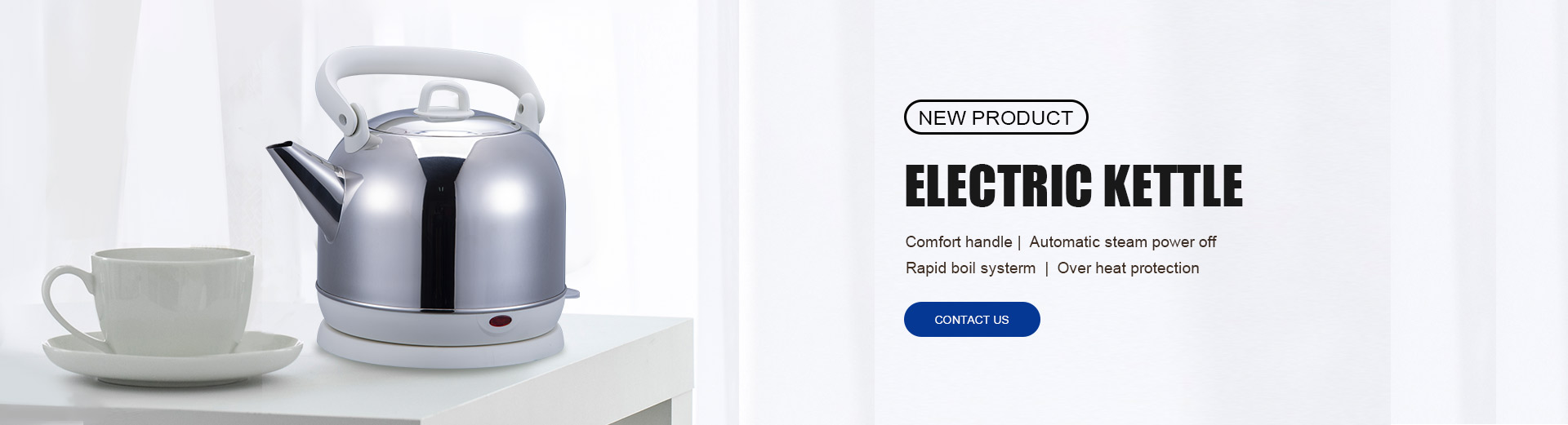
Boiling eggs with an electric kettle is a practical option when a stove is not available, such as in dorms, offices, hotels, or during travel. While electric kettles are designed primarily for water, eggs can be boiled safely as long as water remains the only heated medium and the kettle is used within its operating limits.
This method works best if your kettle has:
A concealed flat heating plate
A stainless steel interior
No exposed heating coil
Avoid using kettles with exposed elements or very narrow openings.
Rinse the eggs with clean water
Let refrigerated eggs sit at room temperature for a few minutes to reduce cracking
Gently place the eggs at the bottom in a single layer
Do not stack eggs
Pour in cold water until eggs are fully submerged
Ensure the water level is above the minimum fill line
Proper water coverage protects the heating plate and ensures even cooking.
Switch on the kettle and allow it to boil
Let it shut off automatically
Do not interrupt the heating cycle.
After the kettle switches off, leave the eggs in the hot water:
Soft-boiled: 3–4 minutes
Medium-boiled: 5–6 minutes
Hard-boiled: 8–10 minutes
Residual heat completes the cooking without repeated boiling.
Carefully pour out the hot water
Transfer eggs to cold water for several minutes
Cooling stops cooking and makes peeling easier.
This method avoids food contact with the kettle and is preferred for shared kettles.
Boil water in the kettle only
Place eggs in a heat-resistant bowl
Pour boiling water over the eggs until covered
Cover and let stand:
Soft-boiled: 6–7 minutes
Hard-boiled: 10–12 minutes
Cool in cold water
Using too little water
Re-boiling multiple times with eggs inside
Using kettles with exposed heating coils
Adding salt or vinegar to the kettle
Leaving eggs inside the kettle after cooking
These can cause residue, odor, or kettle damage.
If eggs were boiled directly:
Rinse the kettle immediately with warm water
Boil clean water once and discard
Air-dry with the lid open
Prompt cleaning prevents odor and mineral bonding.
Do not leave the kettle unattended
Do not boil eggs repeatedly in the same water
Avoid frequent food cooking in the kettle
Electric kettles perform best and last longest when used mainly for water.
You can boil eggs using an electric kettle by keeping the process water-based, maintaining proper water levels, and relying on residual heat after boiling. For shared or office use, boiling water separately and soaking eggs is the cleanest approach.
Used correctly and occasionally, an electric kettle can safely and effectively boil eggs without harming the appliance.