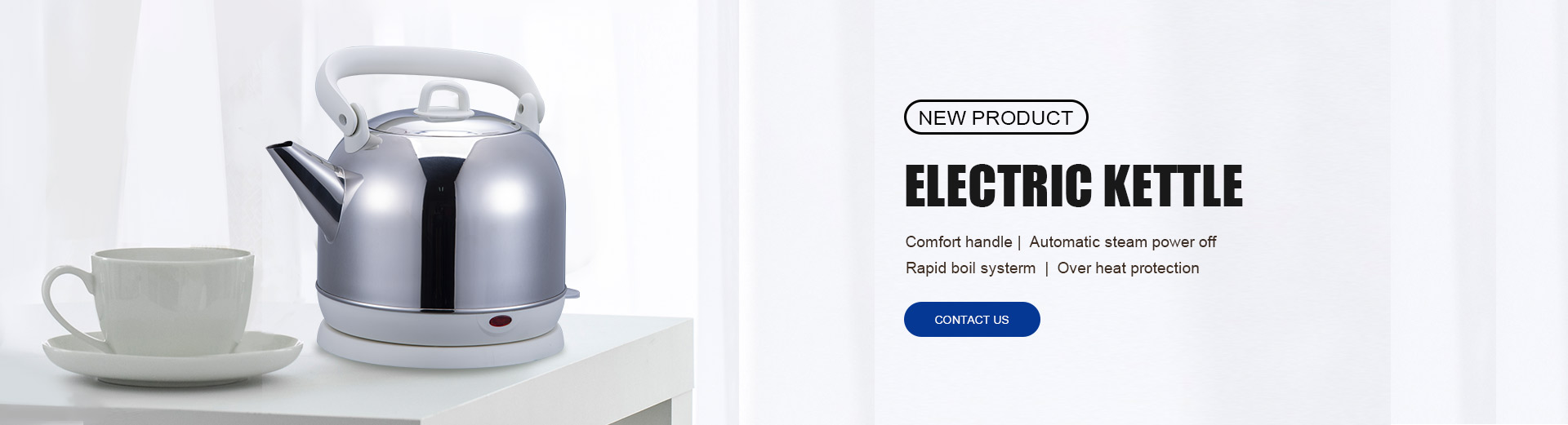
Boiling milk in an electric kettle can be done, but it requires extra care. Milk behaves very differently from water: it foams, sticks to hot surfaces, and burns easily. To avoid scorching, overflow, odors, and damage to the kettle, follow a controlled, low-risk method and understand the limitations of kettle design.
electric kettles are engineered for water only. Milk contains proteins and sugars that:
Burn at lower temperatures than water
Stick to the heating plate
Foam rapidly and overflow
Leave stubborn residue and odor
Boiling milk directly should be occasional, not routine.
This method prevents milk from contacting the heating plate.
Boil water only in the electric kettle.
Pour the boiling water into a heat-resistant bowl or container.
Place a smaller container of milk inside the hot water (double-boiler effect).
Stir the milk gently until hot or lightly simmered.
Why this works
No direct heat on milk
No burning
No residue inside the kettle
No overflow risk
This is the recommended method for shared, office, or long-term kettle use.
Use this only if necessary and follow all precautions.
Mix milk and water 1:1
Pure milk burns much faster than diluted milk.
Ensure total liquid volume is well above the minimum mark
Low volume increases scorching risk.
Pour the cold milk-water mixture into the kettle
Turn the kettle on
Do not walk away
Milk can foam and overflow suddenly.
As soon as foam rises or steam intensifies, switch off the kettle manually
Do not wait for automatic shut-off
Residual heat will continue warming the milk.
Pour the milk out right away
Do not let it sit on the hot plate
Do not boil pure milk directly
Do not add sugar or sweeteners
Do not reboil milk in the kettle
Do not leave milk inside after heating
Do not use kettles with exposed heating coils
These actions almost guarantee burning and permanent odor.
Clean immediately to prevent residue bonding.
Rinse with warm water
Fill halfway with water
Add 1–2 teaspoons of citric acid per liter
Boil and soak for 15–20 minutes
Rinse thoroughly
Boil clean water once and discard
This removes protein film and odor safely.
Persistent sour or burnt smell
Brown or yellow film on the base
Kettle becomes louder when heating
Slower boiling time
If these occur repeatedly, kettle lifespan is already affected.
For regular milk heating:
Use a saucepan
Use a milk frother with heating function
Use the indirect method with boiled water
Electric kettles perform best and last longest when used primarily for water.
To boil milk in an electric kettle without burning, the safest approach is indirect heating using boiled water. If boiling directly, always dilute the milk, monitor constantly, stop before full boil, and clean immediately.
Handled carefully and occasionally, milk can be heated in an electric kettle—but for frequent use, dedicated cookware is the better and safer choice.