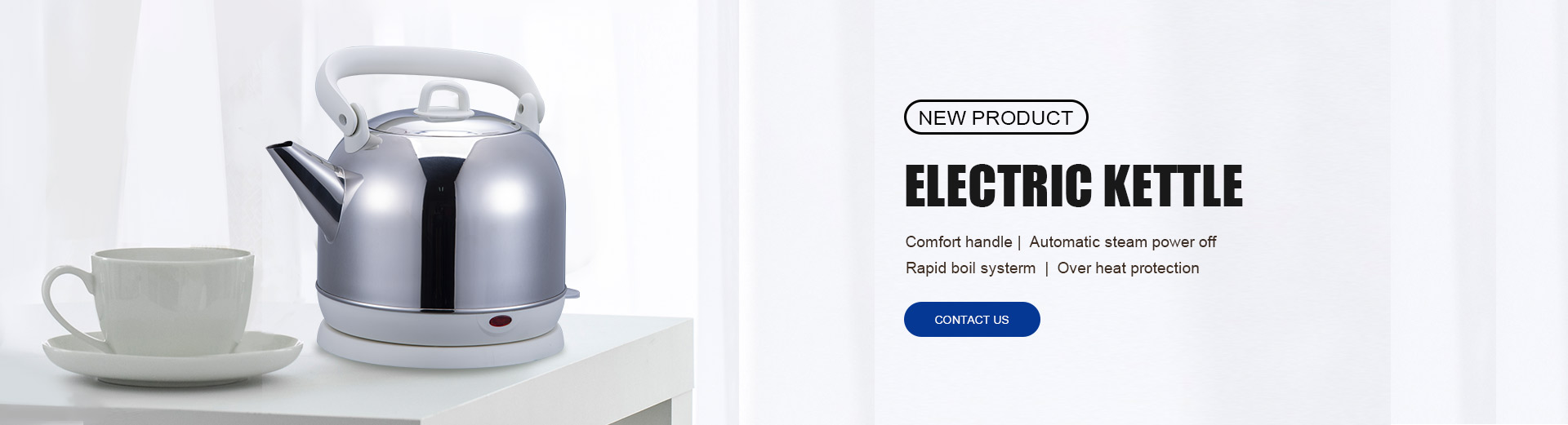
Hard water deposits are a common issue in electric kettles, especially in areas with high mineral content in tap water. These deposits are mainly made up of calcium and magnesium that remain after repeated boiling. While they are not harmful to health, they can seriously affect boiling speed, noise level, energy efficiency, and kettle lifespan if not removed regularly.
Below is a safe, effective, and manufacturer-recommended method for removing hard water deposits without damaging the kettle.
Hard water deposits usually appear as:
White or chalky buildup on the heating plate
Gray or off-white crust at the bottom
Flaky particles floating in boiled water
They form fastest on the heating plate, where temperatures are highest.
If left untreated, hard water deposits can:
Insulate the heating plate and slow boiling
Increase boiling noise and vibration
Cause uneven heat distribution
Interfere with automatic shut-off sensors
Shorten the service life of the kettle
Regular descaling is essential for stable long-term performance.
Citric acid is food-safe, highly effective, and gentle on kettle materials.
Citric acid powder
Clean water
Soft cloth or non-abrasive sponge
Fill the kettle halfway with clean water.
Make sure the water level is above the minimum fill mark.
Add:
1–2 teaspoons of citric acid per liter of water
Use the higher amount for thick or hardened deposits.
Turn on the kettle and allow it to boil until it shuts off automatically.
Let the hot solution sit inside the kettle for 15–30 minutes.
This allows the citric acid to dissolve mineral buildup naturally.
Pour out the solution carefully.
Rinse the kettle thoroughly with clean water 2–3 times.
If deposits remain, repeat the process instead of scrubbing.
Fill the kettle with fresh water, boil once, and discard the water.
This removes any remaining residue or taste.
If citric acid is not available, white vinegar can also be used.
Mix equal parts water and white vinegar
Fill the kettle halfway
Boil and soak for 20–30 minutes
Empty and rinse thoroughly
Boil clean water once or twice to remove odor
Vinegar is effective but leaves a stronger smell, so extra rinsing is important.
After descaling:
Wipe gently with a soft cloth or sponge
Do not scrape or use abrasive pads
Scratches increase future mineral bonding and reduce heating efficiency.
Cleaning frequency depends on water hardness:
| Water Condition | Descaling Frequency |
|---|---|
| Soft or filtered water | Every 4–6 weeks |
| Normal tap water | Every 2–4 weeks |
| Hard water | Every 1–2 weeks |
If boiling becomes louder or slower, clean sooner.
Do not use steel wool or metal brushes
Do not use bleach or harsh chemical cleaners
Do not scrape the heating plate
Do not immerse the kettle base in water
These actions can cause permanent damage.
To slow mineral buildup:
Empty the kettle after each use
Avoid leaving water inside overnight
Air-dry with the lid open
Use filtered water if available
Descale before deposits harden
Preventive care greatly reduces long-term maintenance.
To clean hard water deposits from an electric kettle, use citric acid descaling, allow proper soaking time, rinse thoroughly, and finish with a clean-water boil. Regular removal of mineral buildup restores fast boiling, reduces noise, improves energy efficiency, and extends the kettle’s service life.