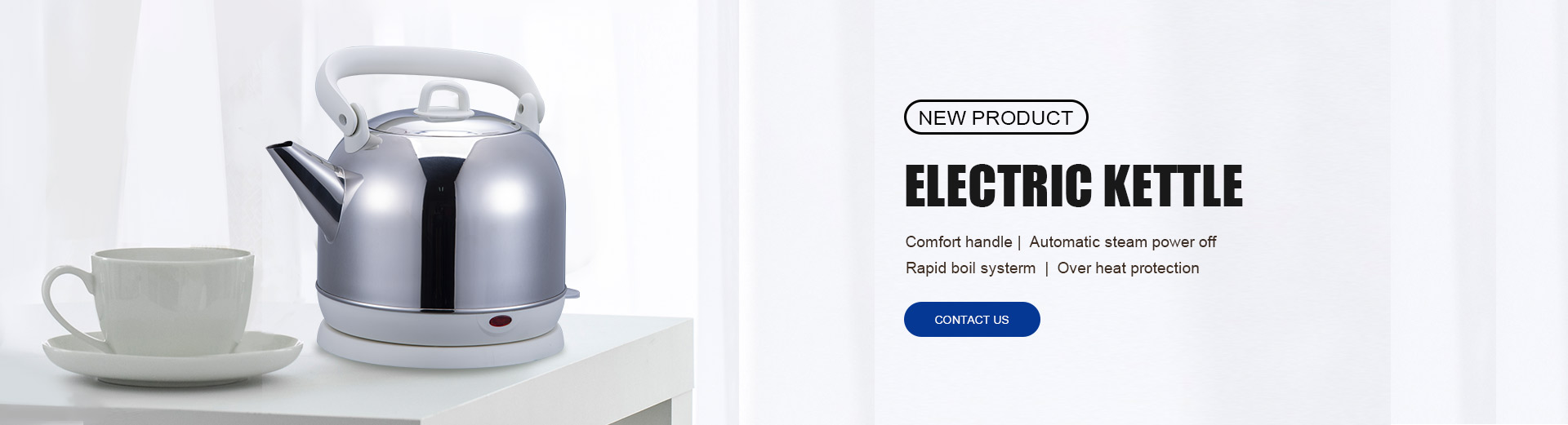
White residue inside an electric kettle is a common result of mineral deposits from hard water, mainly calcium and magnesium. While it isn’t harmful to drink from, this buildup can slow boiling, increase noise, affect taste, and shorten the kettle’s lifespan if not removed regularly. The good news is that it’s easy to clean safely.
White residue may appear as:
Chalky or powdery buildup on the bottom
Thin white film on the inner walls
Small flakes floating in boiled water
It forms when minerals remain after water evaporates, especially on the heating plate, where temperatures are highest.
Citric acid is food-safe, effective, and gentle on all common kettle materials.
Citric acid powder
Clean water
Soft cloth or non-abrasive sponge
Fill the kettle halfway with clean water, above the minimum mark.
Add citric acid:
Use 1–2 teaspoons per liter of water.
Boil fully until the kettle shuts off automatically.
Soak for 15–30 minutes to loosen the residue.
Empty and rinse thoroughly 2–3 times with clean water.
Final boil: Boil fresh water once and discard.
If residue remains, repeat the process rather than scrubbing.
If citric acid isn’t available, white vinegar works as well.
Mix equal parts water and white vinegar.
Fill the kettle halfway and boil.
Soak for 20–30 minutes.
Empty and rinse thoroughly.
Boil clean water once or twice to remove any vinegar smell.
After descaling:
Wipe gently with a soft cloth or sponge.
Do not scrape or use abrasive pads or metal brushes.
Scratches make future mineral buildup worse and reduce heating efficiency.
| Water Quality | Cleaning Frequency |
|---|---|
| Soft or filtered water | Every 4–6 weeks |
| Normal tap water | Every 2–4 weeks |
| Hard water | Every 1–2 weeks |
If the kettle becomes louder or slower, clean it sooner.
Do not use steel wool or abrasive cleaners
Do not use bleach or harsh chemicals
Do not immerse the kettle base in water
Do not ignore thick buildup
These actions can damage the kettle or reduce safety.
Empty the kettle after each use
Avoid leaving water inside overnight
Air-dry with the lid open
Use filtered water if possible
Clean regularly before residue hardens
Preventive care greatly reduces the need for deep cleaning.
White residue in an electric kettle is caused by mineral deposits from water. Cleaning with citric acid or diluted vinegar, followed by thorough rinsing, safely removes buildup, restores fast and quiet boiling, and extends the kettle’s service life. Regular maintenance is the most effective way to keep an electric kettle clean and efficient.