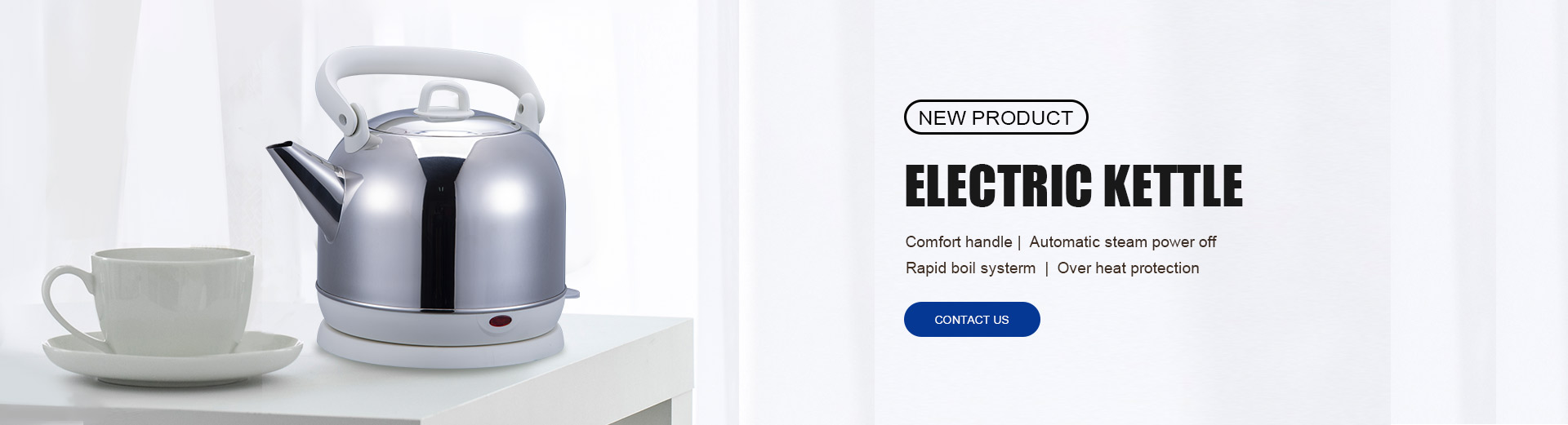
Cooking ramen in an electric kettle is one of the most common alternative cooking methods in dormitories, travel environments, staff housing, and site projects. Since electric kettles are engineered to rapidly bring water to approximately 100°C, they are technically suitable for noodle preparation, provided the unit uses food-grade materials, concealed heating structures, and reliable thermal protection systems.
SHENBAO is a professional electric kettle manufacturer integrating mold design and manufacturing, injection molding, metal stamping, and final assembly under ISO9001 quality management. The company supports export certifications such as CE, CB, GS, RoHS, and LFGB, enabling compliance across multiple international markets.
Before preparing ramen, confirm your kettle has:
Food-grade stainless steel interior
Concealed heating plate (not exposed coil)
Automatic steam shut-off
Dry-boil protection
Stable base connector
Exposed coil kettles are not recommended because starch can adhere directly to the heating element, reducing efficiency and potentially damaging the unit.
SHENBAO product lines emphasize concealed heating elements and multi-level safety protection systems, which improve durability and safe boiling performance.
Fill the kettle with enough water to fully submerge the ramen block.
Typical requirement: 400–600 ml per serving.
Do not exceed the maximum fill line.
Correct water volume protects the heating plate from overheating.
Switch on the kettle and allow water to reach a rolling boil.
Most kettles automatically shut off at boiling temperature.
If needed, briefly restart while monitoring to maintain boiling during cooking.
Place the ramen block into the boiling water.
If necessary, break it into smaller pieces to fit comfortably.
Cooking time reference:
Instant ramen: 3–5 minutes
Thicker dried noodles: 5–8 minutes
Stir gently using a non-metal utensil to avoid scratching the interior surface.
After noodles soften:
Turn off and unplug the kettle
Add seasoning
Stir carefully
Avoid adding heavy oil or thick sauces directly inside the kettle to prevent residue buildup.
After cooking:
Carefully pour noodles into a bowl
Rinse the kettle interior with warm water
Remove starch residue promptly
Dry completely
Immediate cleaning prevents scale formation and odor retention.
When sourcing electric kettles for hospitality, retail, or project distribution, supplier structure significantly impacts quality control.
Integrated mold design and production
Controlled injection molding and stamping
Structured assembly workflow
ISO9001 quality management
Export certification support
SHENBAO’s integrated production system reduces outsourcing variability and improves batch stability.
Limited control over raw material sourcing
Inconsistent heating element calibration
Variable production quality
Reduced compliance documentation support
For bulk procurement, direct manufacturer cooperation lowers operational risk.
For private label kettle programs, a structured OEM / ODM process should include:
Capacity and wattage confirmation
Heating structure selection (concealed plate recommended)
Safety feature configuration
Prototype validation
Boiling efficiency testing
Compliance documentation preparation
Pilot run verification
SHENBAO supports OEM and ODM development across multiple capacity and power configurations.
When purchasing in volume, evaluate:
Voltage compatibility (110V / 220–240V)
Wattage range (commonly 1500–2200W)
Capacity selection (0.6L to 5l models available)
Certification readiness
Lead time stability
Spare component strategy
Correct specification alignment minimizes channel risk.
Professional electric kettle production typically includes:
Raw material inspection
Stainless steel forming or stamping
Plastic injection molding
Heating plate installation
Wiring and thermostat assembly
Functional boil test
Dry-boil protection validation
Final inspection
SHENBAO describes comprehensive processing capability across these key stages.
Reliable production should include:
Electrical insulation testing
Wattage accuracy verification
Boiling time measurement
Automatic shut-off validation
Leak inspection
Cosmetic and structural inspection
These checkpoints ensure stable heating performance.
High-quality kettles generally feature:
Food-grade stainless steel interior
Heat-resistant thermoplastic housing
Concealed heating plate
Certified electrical components
Compliant food-contact materials
Material discipline directly impacts durability and hygiene.
For overseas distribution, electric kettles must comply with:
Electrical safety standards
Voltage and frequency regulations
RoHS environmental restrictions
LFGB food-contact compliance where applicable
CE / CB / GS certification depending on market
SHENBAO indicates support for major international compliance frameworks.
Cooking ramen in an electric kettle is practical when using a kettle designed with food-grade materials, concealed heating elements, and reliable safety protections. The key to safe operation is maintaining proper water levels, monitoring cooking time, and cleaning immediately after use.
From a sourcing perspective, partnering with a structured manufacturer that integrates production control, ISO-based quality management, certified material standards, and export compliance support ensures stable product performance, reduced warranty risk, and dependable long-term supply.