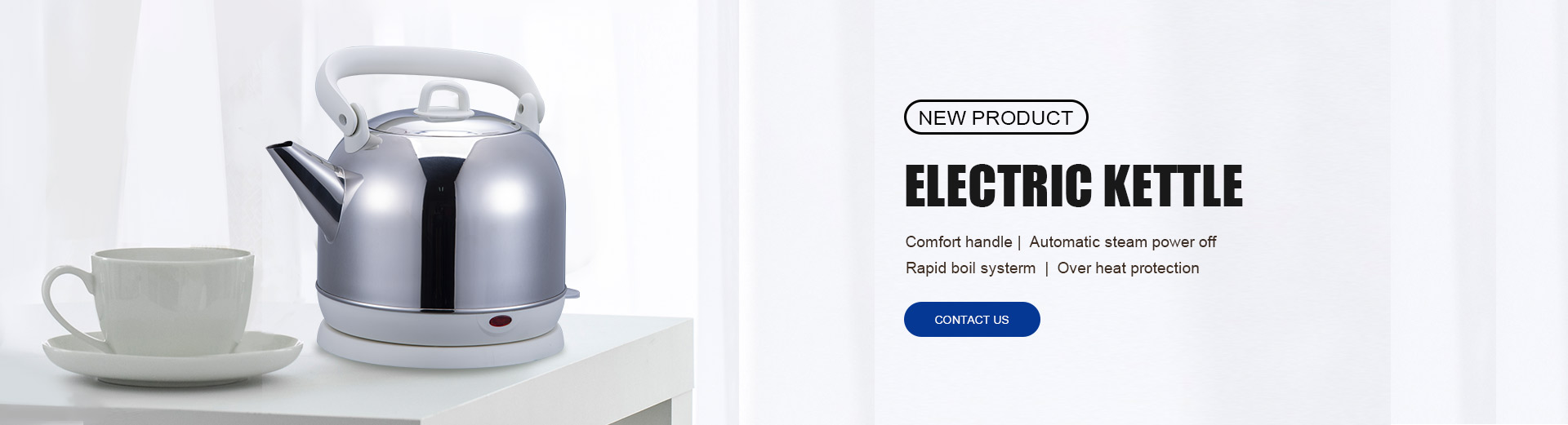
A broken electric kettle should not be thrown into regular household trash. electric kettles contain electrical wiring, heating elements, thermostats, stainless steel parts, and plastic housing, which classify them as small electronic appliances in many countries. Proper disposal protects the environment, recovers recyclable materials, and ensures compliance with local electronic waste regulations.
SHENBAO is a professional electric kettle manufacturer integrating mold design, injection molding, metal stamping, and final assembly under ISO9001 quality management. With export-oriented production and multi-market certification support, SHENBAO emphasizes material compliance and product lifecycle responsibility.
Electric kettles contain:
Copper wiring
Heating elements
Thermostats and thermal fuses
Stainless steel inner chambers
Plastic outer housing
Base connectors and electrical contacts
These materials should be separated and processed through certified electronic recycling systems. Disposing of them in general waste may cause:
Environmental contamination
Loss of recyclable metals
Regulatory violations
Before disposal:
Disconnect from power source
Remove detachable base (if applicable)
Empty all remaining water
Allow unit to cool fully
Never dismantle internal electrical components without proper tools and safety knowledge.
Look for:
Municipal electronic waste centers
Authorized recycling facilities
Retailer take-back programs
Community appliance recycling initiatives
Many countries classify electric kettles under electronic waste management regulations.
Some recycling facilities may request separation of:
Metal parts (stainless steel)
Plastic housing
Electrical base
However, in most cases, complete units can be delivered directly to certified recycling centers for proper dismantling.
Do not:
Burn the appliance
Place it in regular landfill bins
Disassemble without safety knowledge
Attempt to extract copper wiring unsafely
Electrical insulation materials must be processed through regulated facilities.
Responsible disposal begins with responsible manufacturing. Electric kettles built with:
Food-grade stainless steel interiors
RoHS-compliant components
Recyclable thermoplastic housings
Standardized heating elements
are easier to recycle and safer to process at end-of-life.
SHENBAO indicates support for compliance frameworks such as CE, CB, GS, RoHS, and LFGB, which help ensure materials meet international environmental and safety standards.
When sourcing electric kettles for retail or wholesale distribution, supplier structure affects environmental accountability.
Clear material sourcing documentation
ISO9001 quality management
Certification traceability
Production process transparency
Controlled component sourcing
SHENBAO integrates mold manufacturing, injection molding, stamping, and assembly within its production system, improving traceability.
Limited visibility into material composition
Reduced compliance documentation control
Inconsistent batch specifications
For bulk buyers, direct manufacturer cooperation improves lifecycle management transparency.
Structured OEM / ODM development can include:
Increased recyclable material use
Optimized stainless steel thickness
Energy-efficient heating calibration
Sustainable packaging design
Compliance with environmental regulations
Development stages should include environmental material validation and certification documentation preparation before mass production.
Procurement teams should evaluate:
Material compliance reports
RoHS documentation
WEEE-related implementation statements where required
Packaging sustainability
Spare component strategy
Products designed for durability reduce overall environmental impact.
Professional electric kettle production generally includes:
Raw material inspection
Stainless steel forming or stamping
Injection molding of housing
Heating element assembly
Electrical safety testing
Functional boiling verification
Final inspection
Integrated production improves quality consistency and material traceability.
Reliable production should include:
Electrical insulation testing
Wattage accuracy verification
Dry-boil protection validation
Component traceability checks
Final safety inspection
These checkpoints support safe long-term use and responsible disposal.
High-quality electric kettles typically use:
Food-grade stainless steel interior
Heat-resistant thermoplastic housing
Certified copper wiring
Compliant thermal protection devices
RoHS-aligned components
Material discipline directly influences recyclability and environmental impact.
Electric kettles distributed internationally must comply with:
Electrical safety standards
Environmental material restrictions
RoHS compliance
CE / CB / GS certification where applicable
Food-contact standards such as LFGB for relevant markets
SHENBAO indicates support for multiple international compliance frameworks, which simplifies regulatory clearance.
To dispose of a broken electric kettle responsibly, use certified electronic waste recycling channels rather than general household trash. Proper recycling ensures safe handling of electrical components and recovery of recyclable materials such as stainless steel and copper.
From a sourcing and supply perspective, choosing a structured manufacturer with ISO-based quality management, certified material standards, integrated production control, and export compliance support enhances product lifecycle responsibility and reduces environmental risk.