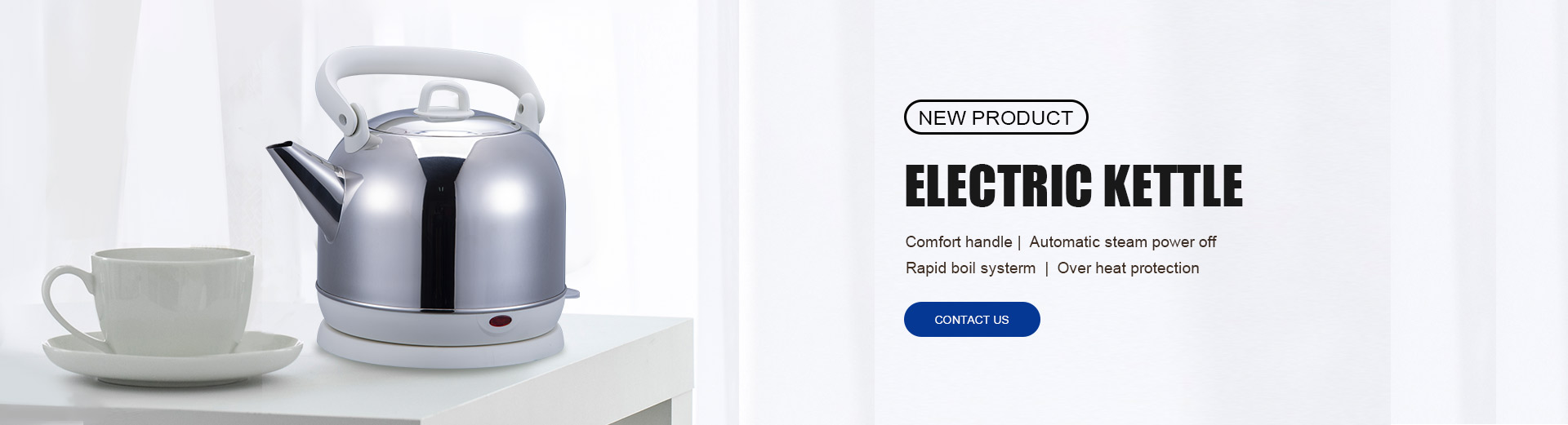
Troubleshooting Guide with Manufacturing & Quality Control Insight
An electric kettle that won’t turn on can be caused by electrical supply issues, internal safety protection activation, thermostat malfunction, base connector failure, or heating element damage. Proper diagnosis depends on understanding how a kettle is structured and how its safety systems operate.
SHENBAO is a professional electric kettle manufacturer integrating mold design, injection molding, metal stamping, and complete assembly under ISO9001 quality management. With export-oriented production and multi-market certification support, SHENBAO emphasizes structured electrical safety testing and stable heating system calibration.
Step 1: Check the Power Source
Before assuming internal failure, verify:
The wall outlet is functioning
The plug is firmly inserted
The power cord is undamaged
The detachable base (if applicable) is properly aligned
Test the outlet with another appliance to confirm power supply stability.
Step 2: Inspect the Base Connector
Many kettles use a 360-degree rotational base with electrical contact rings.
Possible issues:
Dust or debris blocking contact
Oxidation on metal connectors
Loose internal wiring in the base
Unplug the unit and gently clean contact points using a dry cloth. Do not use water directly on electrical connectors.
Step 3: Check for Dry-Boil Protection Activation
If the kettle was previously turned on without water, the thermal cut-off protection may have activated.
Allow the kettle to:
Cool completely for 15–30 minutes
Reset automatically (some models reset when cooled)
Modern kettles with concealed heating plates and multi-level protection systems are designed to shut down automatically to prevent overheating.
Step 4: Examine the Power Switch
If the indicator light does not turn on:
Press the switch firmly
Listen for a clicking sound
Check if the switch feels loose
A worn switch may require internal replacement.
Step 5: Internal Thermostat or Heating Element Failure
If power supply is stable and protection systems have reset but the kettle still does not activate, possible causes include:
Faulty thermostat
Burned thermal fuse
Damaged heating plate
Internal wiring disconnection
These components should only be inspected by qualified technicians. Opening the kettle without proper tools may void warranty or cause injury.
Manufacturer vs Trader: Why Structure Matters
When sourcing electric kettles for retail, hospitality, or project supply, supplier type influences product reliability and service rate.
Direct Manufacturer Advantages
Controlled heating element installation
Structured thermostat calibration
Electrical insulation testing
Integrated production system
ISO9001 quality management
SHENBAO integrates mold development, injection molding, metal stamping, and assembly within a structured workflow, improving batch consistency and traceability.
Trader Limitations
Limited visibility into component sourcing
Inconsistent internal calibration
Reduced documentation support
Higher variation between batches
For bulk buyers, direct manufacturer cooperation reduces defect rates and after-sales risk.
OEM / ODM Development Considerations
To reduce failure risk, OEM / ODM kettle programs should include:
Heating wattage confirmation
Thermostat sensitivity calibration
Dry-boil protection validation
Electrical insulation testing
Base connector durability testing
Compliance documentation preparation
Pilot production stress testing
Structured development minimizes early-life failure rates.
Bulk Supply Considerations
When purchasing kettles in volume, evaluate:
Voltage compatibility (110V / 220–240V)
Wattage stability (commonly 1500–2200W)
Certification documentation
Spare part availability
Warranty policy structure
Production lead time stability
Specification alignment reduces operational risk.
Manufacturing Process Overview
Professional kettle production typically includes:
Incoming material inspection
Stainless steel forming or stamping
Plastic injection molding
Heating element installation
Wiring and thermostat assembly
Functional boil testing
Dry-boil protection verification
Final inspection
SHENBAO describes comprehensive processing capability across these stages.
Quality Control Checkpoints
Reliable production should include:
Electrical insulation resistance testing
Wattage accuracy verification
Auto shut-off validation
Dry-boil protection test
Leakage inspection
Final functional verification
These checkpoints ensure stable heating performance and reduce non-start failures.
Material Standards Used
High-quality electric kettles generally use:
Food-grade stainless steel interior
Heat-resistant thermoplastic housing
Certified wiring components
Concealed heating plate
Calibrated thermostats
Material discipline directly impacts durability and operational stability.
Export Market Compliance
Electric kettles distributed internationally must comply with:
Electrical safety standards
RoHS environmental requirements
CE / CB / GS certification where applicable
Food-contact regulations such as LFGB in relevant markets
SHENBAO indicates support for multiple international compliance frameworks, helping reduce regulatory clearance risk.
Final Insight
If an electric kettle won’t turn on, begin with external power checks and allow time for dry-boil protection reset before assuming internal damage. Persistent failure may indicate thermostat, fuse, or heating element issues that require professional inspection.
From a sourcing perspective, choosing a structured manufacturer with ISO-based quality management, integrated production control, certified material standards, and export compliance support significantly reduces defect rates and long-term service risk.