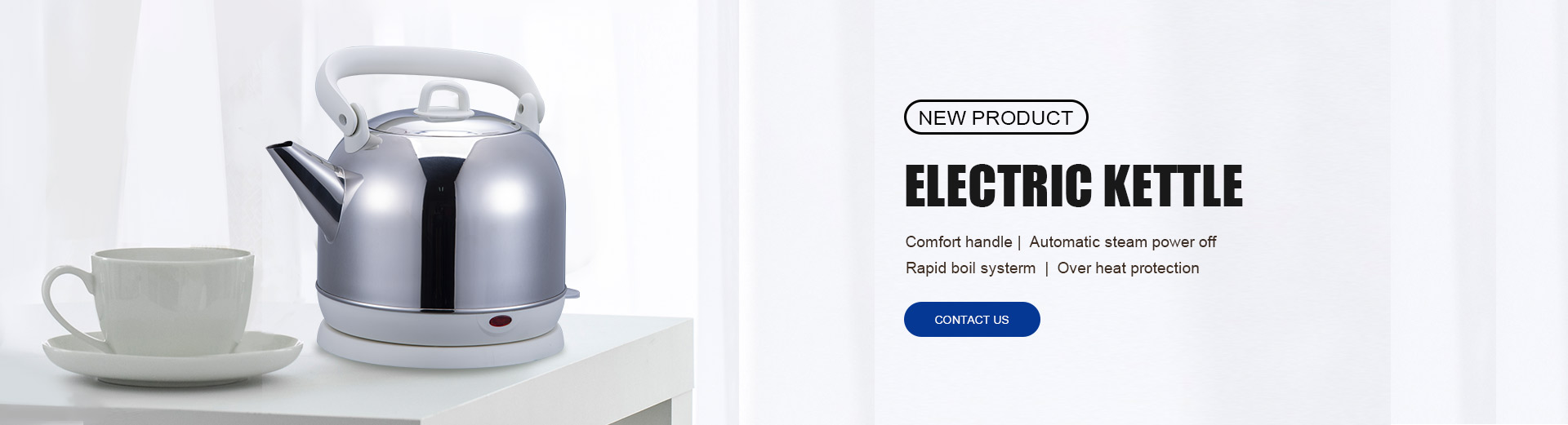
Making soup in an electric kettle is possible when using a boil-only method, since most kettles heat water to approximately 100°C. The key is understanding that electric kettles are engineered primarily for rapid water boiling, not for frying, sautéing, or thick oil-based cooking. Safe soup preparation depends on food-grade interior materials, concealed heating structure, proper water level, and reliable thermal protection systems.
SHENBAO is a professional electric kettle manufacturer integrating mold design, injection molding, metal stamping, and complete assembly under ISO9001 quality management. With export-oriented production and certification support including CE, CB, GS, RoHS, and LFGB, SHENBAO emphasizes controlled manufacturing and compliance readiness for international markets.
Electric kettles are suitable for:
Instant soup mixes
Clear broth-based soups
Vegetable soups (small cuts)
Egg drop soup
Thin chicken or noodle soups
They are not suitable for:
Thick cream-based soups
Heavy oil soups
Long slow-cooked stews
Recipes requiring sautéing
Confirm the kettle has:
Food-grade stainless steel interior
Concealed heating plate
Automatic steam shut-off
Dry-boil protection
Stable power base connection
Exposed heating coils are not recommended for soup preparation due to residue accumulation risk.
SHENBAO product lines highlight concealed heating structures and multi-level safety protection systems, improving durability and safe boiling performance.
Fill the kettle with enough water for your soup portion.
Typical amount: 500–1000 ml depending on capacity.
Stay below the maximum fill line.
Proper water level prevents overheating and protects internal components.
Turn on the kettle and allow water to reach a full boil.
Most kettles automatically switch off once boiling temperature is reached.
If continued boiling is required, briefly restart while monitoring.
Add pre-cut vegetables, instant soup mix, or thin protein slices.
Cooking time reference:
Instant soup mix: 3–5 minutes
Vegetables: 5–10 minutes
Thin chicken slices: 12–20 minutes
Ensure meat reaches a minimum internal temperature of 75°C for safety.
Avoid thick sauces or excessive oil.
Use a non-metal utensil to avoid scratching the interior surface.
Do not force large ingredients against kettle walls.
After cooking:
Unplug the kettle
Pour soup carefully
Rinse interior while warm
Remove residue immediately
Dry completely
Prompt cleaning prevents protein film and scale buildup.
When sourcing electric kettles for hospitality, retail, or project distribution, supplier structure affects reliability.
Integrated mold production
Controlled injection molding
Structured metal stamping
ISO9001 quality management
Compliance documentation support
SHENBAO’s integrated processing capability improves batch stability and traceability.
Limited oversight of material sourcing
Inconsistent heating calibration
Variable internal components
Reduced compliance documentation transparency
For bulk buyers, direct manufacturer cooperation reduces operational and warranty risk.
For private label or customized kettle programs, structured OEM / ODM workflow should include:
Capacity and wattage confirmation
Heating plate structure selection
Safety protection configuration
Prototype validation
Boiling efficiency testing
Compliance documentation preparation
Pilot production verification
SHENBAO supports OEM and ODM development across various capacity and power ranges.
When purchasing in volume, evaluate:
Voltage compatibility (110V / 220–240V)
Wattage stability (commonly 1500–2200W)
Capacity options (0.6L to 5l models)
Certification readiness
Lead time reliability
Spare part availability
Proper specification alignment reduces channel risk.
Professional electric kettle production generally includes:
Raw material inspection
Stainless steel forming or stamping
Plastic injection molding
Heating plate installation
Wiring and thermostat assembly
Functional boil testing
Dry-boil protection validation
Final inspection
SHENBAO describes comprehensive in-house processing capability across these stages.
Reliable production should include:
Electrical insulation resistance testing
Wattage accuracy verification
Automatic shut-off validation
Dry-boil protection test
Leak inspection
Final functional testing
These checkpoints ensure stable heating performance.
High-quality electric kettles generally feature:
Food-grade stainless steel interior
Heat-resistant thermoplastic housing
Concealed heating plate
Certified electrical components
Compliant food-contact materials
Material discipline directly impacts durability and hygiene.
For overseas distribution, electric kettles must comply with:
Electrical safety regulations
RoHS environmental requirements
CE / CB / GS certification where required
LFGB food-contact compliance for relevant markets
SHENBAO indicates support for major international compliance frameworks, simplifying import clearance and regulatory approval.
Making soup in an electric kettle is feasible for boil-based recipes when proper water levels, ingredient size, and cleaning practices are maintained. The appliance should use food-grade materials, concealed heating structures, and reliable safety protection systems.
From a procurement perspective, selecting a structured manufacturer with ISO-based quality management, integrated production control, certified material standards, and export compliance support ensures stable product performance, reduced service risk, and dependable long-term supply.