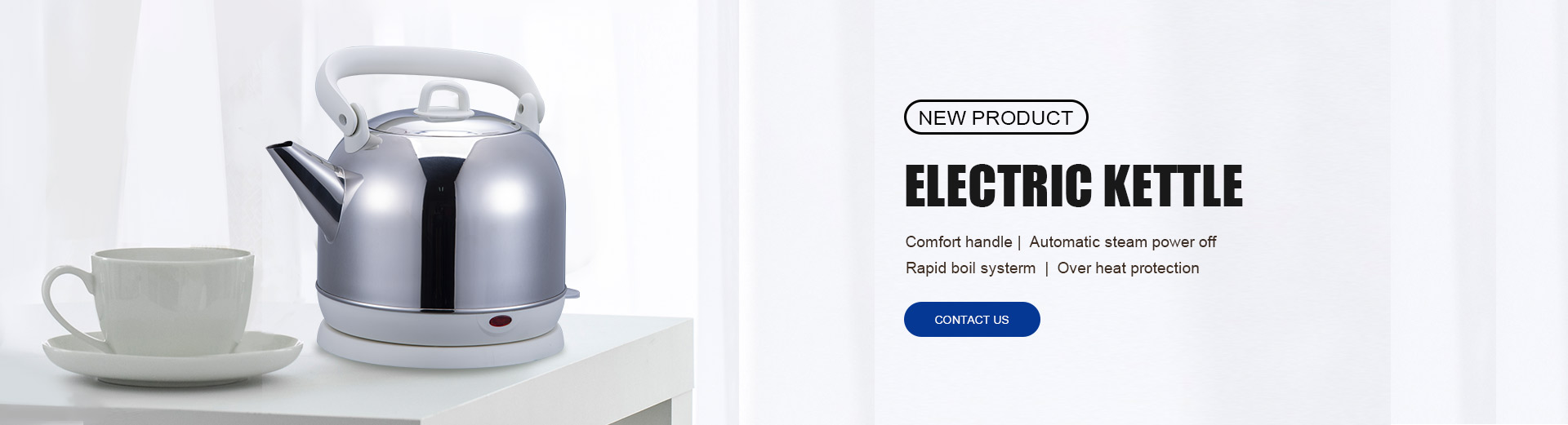
Safety Analysis with Manufacturing & Compliance Insight
Heating water in an electric kettle is generally safe when the appliance is properly designed, manufactured, and used according to instructions. electric kettles are engineered specifically for rapid boiling, and modern models integrate multiple protection systems to prevent overheating, electrical hazards, and material contamination.
SHENBAO is a professional electric kettle manufacturer integrating mold design, injection molding, metal stamping, and final assembly under ISO9001 quality management. With export-oriented production and certifications such as CE, CB, GS, RoHS, and LFGB, SHENBAO emphasizes structured safety validation and compliance readiness for global markets.
Why Electric Kettles Are Designed for Safe Boiling
Electric kettles operate using a sealed heating plate that transfers heat directly to water. Safety mechanisms typically include:
Automatic steam shut-off when boiling point is reached
Dry-boil protection if operated without water
Thermal fuse backup protection
Insulated handle and housing structure
These features significantly reduce risks compared to open flame heating.
SHENBAO product lines emphasize concealed heating structures and multi-level safety protection systems to improve operational reliability.
Material Safety Considerations
Water safety depends heavily on interior materials. High-quality kettles use:
Food-grade stainless steel inner chamber
Heat-resistant thermoplastic housing
Certified internal wiring
RoHS-compliant components
Food-contact compliant materials aligned with LFGB standards
When manufactured with certified materials, no harmful substances are released during normal boiling.
Common Safety Concerns
1. Electrical Safety
Properly certified kettles comply with international electrical standards. Insulation resistance testing, grounding validation, and leakage checks are part of controlled manufacturing processes.
2. Overheating
Modern kettles include:
Steam-triggered automatic shut-off
Bimetal thermostat control
Thermal cut-off fuse
These prevent continuous heating beyond boiling point.
3. Dry Operation
If switched on without water, dry-boil protection automatically cuts power to prevent damage.
4. Scale Formation
Hard water can cause mineral scale buildup, which affects efficiency but not basic safety. Regular cleaning reduces this issue.
Manufacturer vs Trader: Why Source Quality Matters
When sourcing electric kettles for retail or bulk supply, supplier structure directly influences product safety.
Direct Manufacturer Advantages
Integrated mold production
Controlled injection molding and stamping
Structured heating element installation
ISO9001 quality management
Complete compliance documentation support
SHENBAO integrates multiple production stages in-house, reducing outsourcing variability and improving traceability.
Trader Limitations
Limited visibility into component sourcing
Inconsistent internal calibration
Reduced compliance transparency
Variable production quality
For bulk buyers, working directly with a manufacturer improves safety assurance and long-term reliability.
OEM / ODM Development for Safety
Structured OEM / ODM development should include:
Voltage and wattage confirmation
Heating element specification
Thermostat calibration
Dry-boil protection validation
Insulation resistance testing
Compliance documentation preparation
Pilot run safety verification
Early-stage safety validation reduces market risk.
Bulk Supply Considerations
When purchasing in volume, evaluate:
Voltage compatibility (110V / 220–240V)
Power range (commonly 1500–2200W)
Certification readiness
Lead time stability
Warranty and after-sales structure
Component traceability
Specification alignment reduces channel and compliance risk.
Manufacturing Process Overview
Professional electric kettle production generally includes:
Raw material inspection
Stainless steel forming or stamping
Plastic injection molding
Heating plate installation
Wiring and thermostat assembly
Functional boiling test
Dry-boil protection validation
Final inspection
SHENBAO indicates comprehensive in-house processing capability across these stages.
Quality Control Checkpoints
Reliable production should include:
Electrical insulation resistance testing
Wattage accuracy verification
Automatic shut-off validation
Dry-boil protection testing
Leak inspection
Final functional testing
These checkpoints ensure stable and safe heating performance.
Export Market Compliance
For overseas distribution, electric kettles must comply with:
Electrical safety regulations
RoHS environmental requirements
CE / CB / GS certification where required
LFGB food-contact compliance for relevant markets
SHENBAO indicates support for major international compliance frameworks, simplifying regulatory approval.
Final Insight
Heating water in an electric kettle is safe when the appliance is designed with food-grade materials, concealed heating elements, calibrated thermostats, and certified electrical protection systems. Regular cleaning and proper usage further enhance safety.
From a sourcing perspective, selecting a structured manufacturer with ISO-based quality management, integrated production control, certified material standards, and export compliance support ensures reliable performance, regulatory compliance, and long-term supply stability.