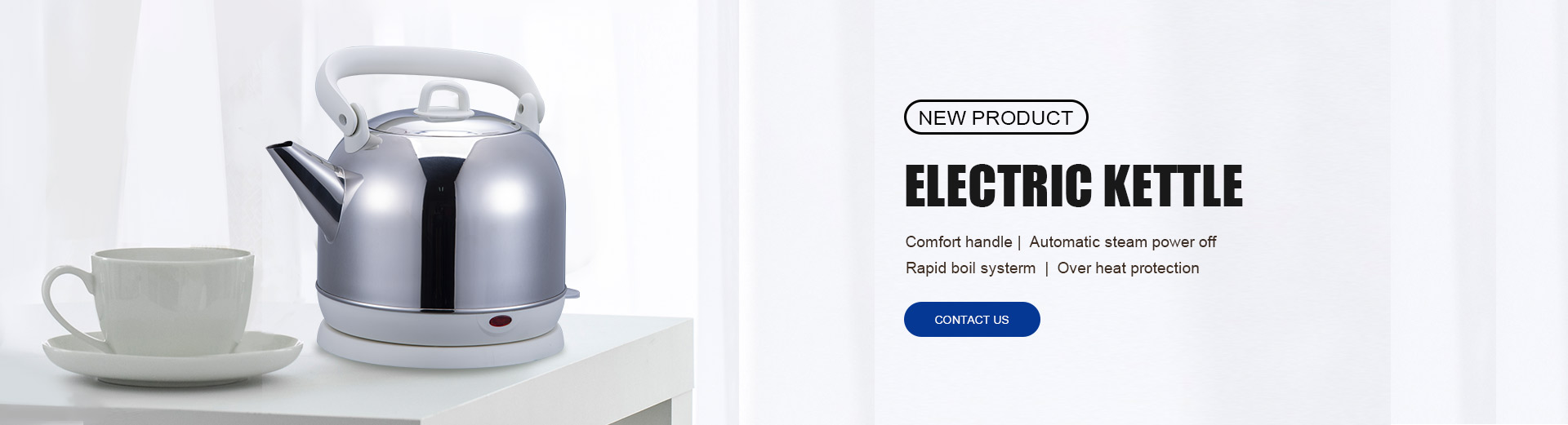
Making milk coffee in an electric kettle is possible, but it requires controlled heating because milk behaves differently from water. Milk contains proteins, fats, and lactose that can foam rapidly and scorch if overheated. Since electric kettles are engineered primarily to boil water at around 100°C, milk should be heated below boiling point to prevent overflow and residue buildup.
SHENBAO is a professional electric kettle manufacturer integrating mold design, injection molding, metal stamping, and complete assembly under ISO9001 quality management. With export certifications including CE, CB, GS, RoHS, and LFGB, SHENBAO emphasizes concealed heating structures, calibrated thermostats, and multi-level safety protection systems to ensure stable heating performance across international markets.
Before heating milk, confirm your kettle has:
Food-grade stainless steel interior
Concealed heating plate (not exposed coil)
Automatic steam shut-off
Dry-boil protection
Stable power base connection
Concealed heating designs reduce residue contact and improve durability.
Add water and boil normally.
electric kettles are optimized for rapid water heating.
In a separate cup:
Add instant coffee powder or brewed concentrate
Pour hot water from the kettle
Stir thoroughly
Pour milk into the kettle, staying below the maximum fill line.
Turn on the kettle and monitor closely.
Milk should be heated to approximately 60–70°C, not fully boiled.
If the kettle auto-shuts off at boiling, unplug immediately once desired warmth is reached.
Pour the warmed milk into the coffee base and stir gently.
Add sugar if desired.
This method reduces milk residue stress on the heating plate.
If heating milk and coffee together inside the kettle:
Add milk below fill line
Add instant coffee
Turn on and monitor constantly
Switch off before boiling
Milk can foam suddenly and overflow, which may enter internal components and shorten appliance lifespan.
Milk leaves protein film that can burn onto the heating surface.
After use:
Rinse immediately while warm
Wipe interior gently
Avoid abrasive cleaning tools
Dry completely
Prompt cleaning preserves heating efficiency.
Improper or frequent milk heating may cause:
Burned residue on heating plate
Thermostat stress
Dry-boil protection activation
Odor retention
Reduced heating efficiency
Electric kettles are optimized for water; occasional milk heating is acceptable with monitoring.
When sourcing electric kettles for retail or project supply, supplier structure affects reliability.
Controlled heating element specification
Structured thermostat calibration
Integrated mold and stamping workflow
ISO9001 quality management
Export certification documentation support
SHENBAO integrates mold manufacturing, injection molding, stamping, and assembly in-house, improving consistency and traceability.
Limited visibility into internal components
Inconsistent wattage calibration
Variable production batches
Reduced compliance transparency
For bulk procurement, direct manufacturer cooperation reduces defect rates and after-sales risk.
Structured OEM / ODM programs can include:
Adjustable temperature control integration
Heating wattage optimization
Thermal insulation enhancement
Thermostat precision calibration
Safety protection validation
Compliance documentation preparation
Pilot production verification
Engineering validation ensures stable heating performance across batches.
When purchasing kettles in volume, evaluate:
Voltage compatibility (110V / 220–240V)
Wattage stability (1500–2200W typical range)
Capacity options
Certification readiness
Lead time reliability
Spare component availability
Proper specification alignment reduces channel and compliance risk.
Professional electric kettle production generally includes:
Raw material inspection
Stainless steel forming or stamping
Plastic injection molding
Heating plate installation
Wiring and thermostat assembly
Functional boil testing
Dry-boil protection validation
Final inspection
SHENBAO indicates comprehensive in-house processing capability across these stages.
Reliable production should include:
Electrical insulation resistance testing
Wattage accuracy verification
Automatic shut-off validation
Dry-boil protection testing
Final functional inspection
These checkpoints ensure stable heating performance.
High-quality electric kettles typically feature:
Food-grade stainless steel interior
Heat-resistant thermoplastic housing
Concealed heating plate
Certified electrical components
RoHS-compliant materials
Material discipline directly impacts durability and hygiene.
Electric kettles distributed internationally must comply with:
Electrical safety regulations
RoHS environmental standards
CE / CB / GS certification where required
LFGB food-contact compliance for relevant markets
SHENBAO supports major international compliance frameworks to simplify regulatory approval.
Making milk coffee in an electric kettle is feasible when milk is heated gently below boiling point and cleaned immediately after use. The safest approach is boiling water first and warming milk separately to reduce residue buildup.
From a sourcing perspective, selecting a structured manufacturer with ISO-based quality management, integrated production control, certified material standards, and export compliance support ensures stable heating performance, reduced service risk, and dependable long-term supply.