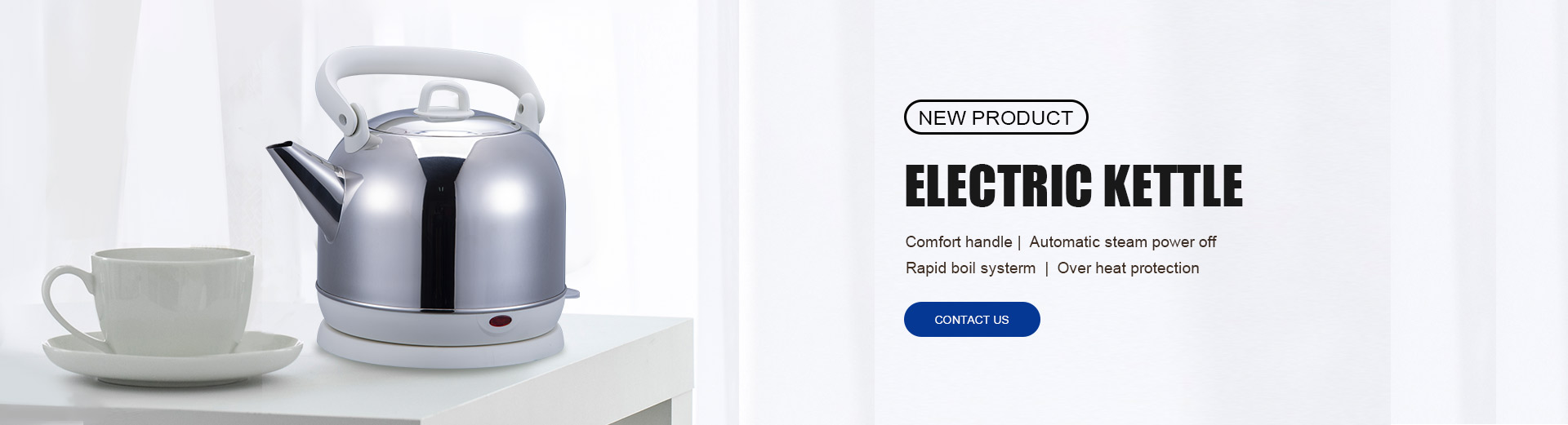
Making tea with milk powder using an electric kettle is simple, but the correct method is to boil water first and mix the ingredients outside the kettle. electric kettles are designed mainly for heating water quickly and safely, not for directly cooking milk-based drinks. Heating milk powder inside the kettle may leave residue and affect long-term performance.
Fill the electric kettle with clean water and heat it until it reaches boiling temperature. Once the kettle automatically switches off, pour the hot water into a cup containing tea leaves or a tea bag. After the tea has brewed, add milk powder and stir until it dissolves completely. This method keeps the kettle clean and ensures the beverage is prepared correctly.
For buyers sourcing electric kettles, the difference between a manufacturer and a trader is important. Traders usually supply products from different factories and have limited control over materials or production. Manufacturers such as SHENBAO manage mold design, metal stamping, injection molding, and assembly within their own production system, which allows better consistency and stable product specifications.
Electric kettles are often customized for different markets. OEM projects may include brand logos, packaging design, and color variations. ODM projects can involve structural adjustments, capacity changes, and functional upgrades. Manufacturers with integrated production capabilities can coordinate these developments more efficiently.
Electric kettle production typically includes stainless steel forming, metal stamping, plastic injection molding, thermostat installation, and final assembly. Integrated production lines help ensure accurate component fit and stable heating performance.
Reliable kettles require strict quality inspections during production. These checks usually include heating performance testing, electrical safety verification, and automatic shut-off testing to ensure the kettle operates safely.
High-quality electric kettles commonly use food-grade stainless steel interiors such as 304 stainless steel to ensure corrosion resistance and safe contact with water. Smooth internal surfaces also help reduce scale buildup and simplify cleaning.
For bulk procurement, buyers should evaluate production capacity, material consistency, and quality management systems. Manufacturers with integrated production facilities are better positioned to maintain consistent specifications across large orders.
Electric kettles exported internationally must comply with safety standards and certifications such as CE, CB, or similar electrical compliance requirements. Suppliers with export experience and established testing procedures are better prepared to support global distribution projects.
Previous: How To Operate Electric Kettle