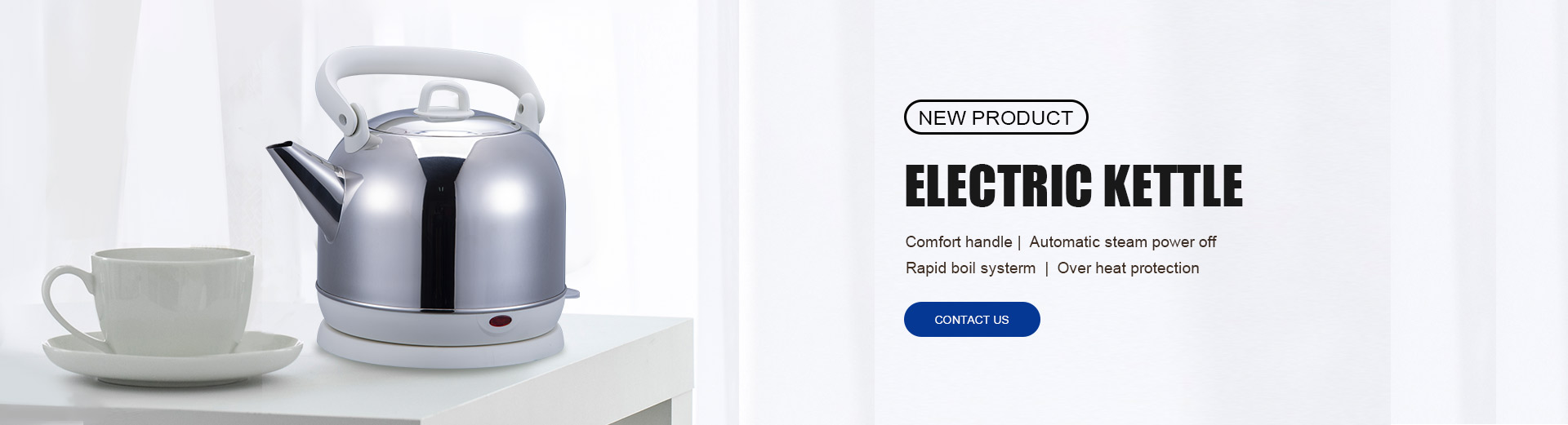
Operating an electric kettle is simple and efficient because the appliance is designed to heat water quickly using an internal heating element and automatic shut-off system. When used correctly, an electric kettle can boil water safely for beverages or food preparation.
Basic Operation Steps
First, open the lid and fill the kettle with clean water. The water level should remain between the minimum and maximum marks inside the kettle to ensure safe heating. Overfilling the kettle may cause water to spill during boiling.
Next, place the kettle securely on its base if it uses a cordless design. Plug the appliance into a power outlet and press the power switch. The internal heating element will begin heating the water immediately.
Once the water reaches boiling temperature, the kettle’s automatic shut-off system will stop the heating process. This feature prevents overheating and improves energy efficiency. After the kettle switches off, carefully lift it from the base and pour the hot water into a cup, teapot, or container.
Manufacturer Vs Trader Considerations
For buyers sourcing electric kettles, the difference between manufacturers and traders can affect product quality. Traders often supply products from multiple factories, while manufacturers control production processes such as mold development, metal stamping, injection molding, and assembly. Manufacturers like SHENBAO provide better consistency and stronger production control.
OEM And ODM Development
Electric kettles are frequently customized for different markets through OEM and ODM cooperation. Customization may include brand logos, color variations, packaging design, and structural adjustments. Manufacturers with integrated production systems can support these customization requirements more effectively.
Manufacturing Process Overview
Electric kettle production generally involves stainless steel forming, metal stamping, plastic injection molding, thermostat installation, and final assembly. Integrated production processes help ensure accurate component fitting and stable heating performance.
Quality Control Checkpoints
Reliable electric kettles require strict quality inspection during manufacturing. Typical quality control steps include heating performance testing, electrical safety verification, and automatic shut-off testing to ensure stable operation.
Material Standards Used
High-quality electric kettles often use food-grade stainless steel interiors such as 304 stainless steel for corrosion resistance and safe water contact. Heat-resistant plastics are used for handles and lids to improve durability and safety.
Bulk Supply Considerations
When sourcing electric kettles in bulk, buyers should evaluate production capacity, material consistency, and manufacturing management systems. Manufacturers with integrated production facilities are better positioned to provide consistent quality across large orders.
Export Market Compliance
Electric kettles intended for international markets must comply with electrical safety standards and certification requirements such as CE or CB. Suppliers with export experience and structured quality management systems can better support global distribution and long-term supply projects.