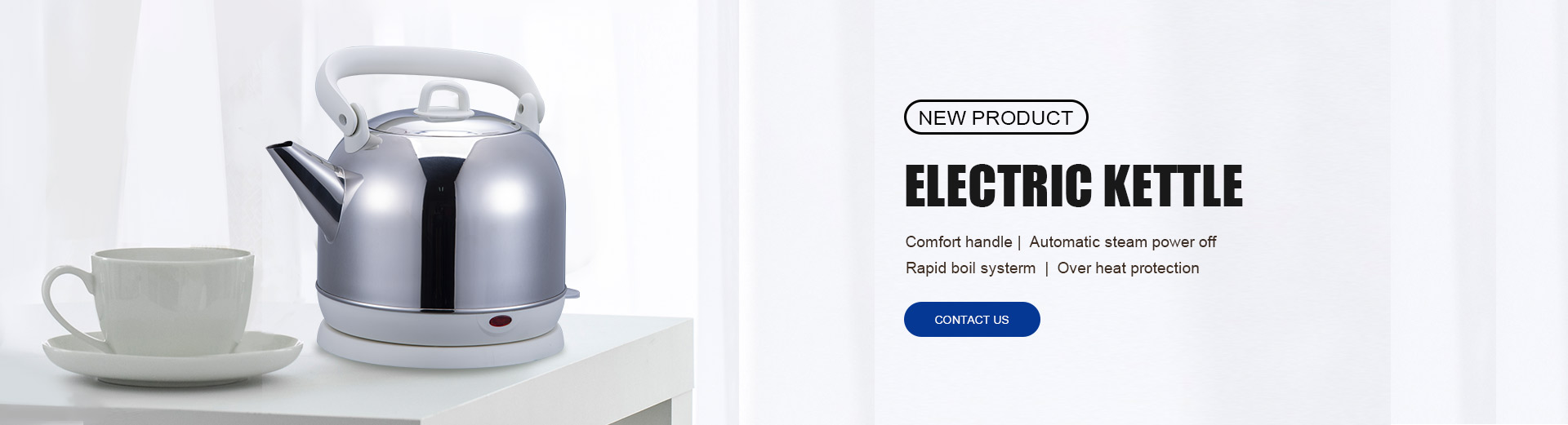
Citric acid is a common and effective method for cleaning mineral scale inside an electric kettle. When water is repeatedly boiled, minerals such as calcium and magnesium remain on the heating plate and inner walls, forming scale deposits. Using citric acid helps dissolve these deposits and restore the kettle’s heating efficiency.
First, fill the kettle with clean water to about half or two-thirds of its capacity. Add a small amount of citric acid powder, usually about one or two teaspoons depending on the kettle size. Stir gently so the citric acid dissolves completely in the water.
Next, switch on the kettle and allow the solution to boil. The heated citric acid solution begins to break down the mineral scale attached to the interior surface and heating plate. After the kettle shuts off, leave the solution inside for about fifteen to twenty minutes so the cleaning process can continue.
After the soaking period, pour out the solution and rinse the kettle thoroughly with clean water. To remove any remaining cleaning residue, fill the kettle with fresh water and boil it once more before discarding the water.
Citric acid reacts with mineral deposits and converts them into soluble compounds that can be easily washed away. Compared with stronger chemicals, citric acid is safer for household appliances and does not leave strong odors.
For buyers sourcing electric kettles, choosing a manufacturer instead of a trader can influence product reliability. Traders usually purchase products from multiple factories, while manufacturers such as SHENBAO manage mold development, metal stamping, injection molding, and assembly within their own production system.
Electric kettles are often customized for different markets through OEM and ODM cooperation. OEM services usually include brand logos, packaging design, and color customization. ODM development may involve structural changes, capacity adjustments, or functional improvements.
Electric kettle production typically involves stainless steel forming, metal stamping, plastic injection molding, thermostat installation, and final assembly. Integrated production processes help ensure stable heating performance and durable product construction.
Strict quality inspection is required during manufacturing. Typical checkpoints include heating performance testing, electrical safety verification, and automatic shut-off testing to ensure reliable operation.
High-quality electric kettles commonly use food-grade stainless steel interiors such as 304 stainless steel. This material offers strong corrosion resistance and safe contact with water during repeated boiling cycles.
For buyers sourcing electric kettles in bulk, evaluating production capacity, material consistency, and manufacturing management systems is essential. Manufacturers with integrated production facilities can maintain stable product quality across large orders.
Electric kettles exported internationally must comply with electrical safety standards and certification requirements such as CE or CB. Suppliers with export experience and structured quality management systems are better prepared to support global distribution and long-term supply projects.