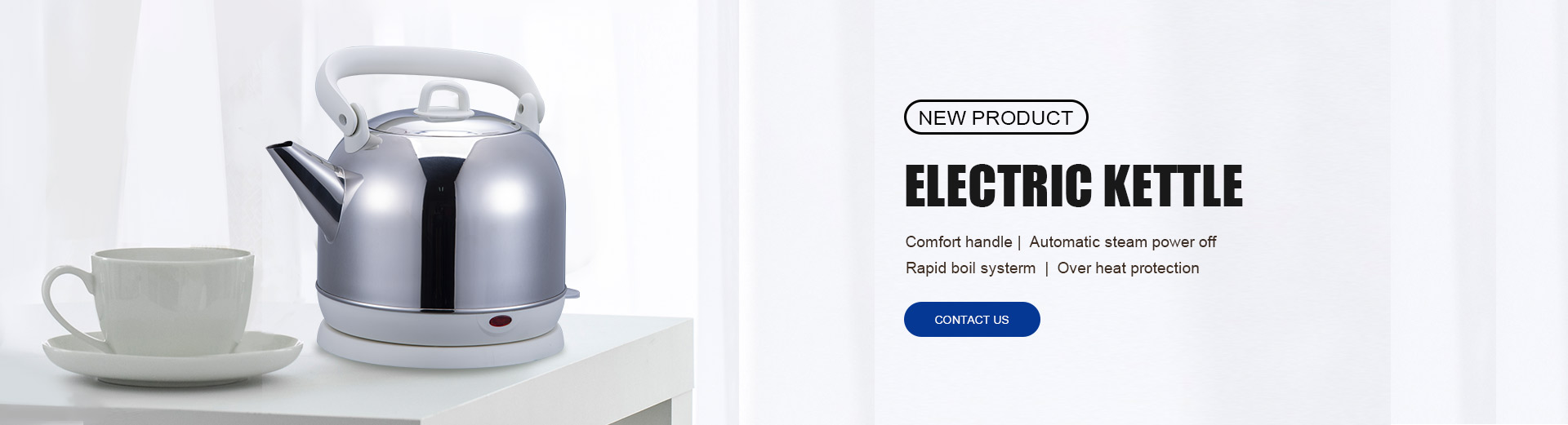
Yes, an electric kettle is generally allowed in cabin baggage on most airlines. electric kettles are considered standard household appliances and usually do not contain hazardous components such as large lithium batteries, so airport security typically permits them in carry-on luggage.
Airport Security Inspection
When passing through airport security, electronic appliances in cabin bags may need to be removed for separate screening. Similar to laptops or other electrical devices, the kettle might be placed in a tray for X-ray inspection. This is a normal procedure and does not usually prevent passengers from carrying the appliance.
Airline Carry-On Restrictions
Although electric kettles are usually allowed in cabin baggage, airlines may restrict carry-on items based on bag size and weight limits. If the kettle is large or heavy, passengers may prefer placing it in checked luggage instead. It is always recommended to review the airline’s carry-on policy before traveling.
Electrical Compatibility At Destination
Travelers should also consider the voltage and plug standards at their destination. Different countries use different electrical systems, and a plug adapter or voltage converter may be required to operate the kettle safely.
Manufacturer Vs Trader Considerations
For buyers sourcing electric kettles, working with a manufacturer rather than a trading company can provide stronger production control. Manufacturers such as SHENBAO manage processes including mold development, metal stamping, injection molding, and final assembly, which helps maintain stable product quality.
OEM And ODM Process
Electric kettles are often customized through OEM and ODM cooperation. OEM services may include brand logos, packaging design, and color customization. ODM development may involve structural changes, capacity adjustments, or functional improvements to meet different market requirements.
Manufacturing Process Overview
Electric kettle production typically includes stainless steel forming, metal stamping, plastic injection molding, thermostat installation, and final assembly. Integrated manufacturing processes help ensure stable heating performance and durable construction.
Quality Control Checkpoints
Strict quality inspection is essential during kettle production. Typical checkpoints include heating performance testing, electrical safety verification, and automatic shut-off testing to ensure safe operation.
Material Standards Used
High-quality electric kettles commonly use food-grade stainless steel interiors such as 304 stainless steel. This material provides strong corrosion resistance and safe contact with water during repeated heating cycles.
Bulk Supply Considerations
For buyers sourcing electric kettles in bulk, evaluating production capacity, material consistency, and manufacturing management systems is important. Manufacturers with integrated production facilities can maintain stable product specifications across large orders.
Export Market Compliance
Electric kettles exported internationally must comply with electrical safety standards and certification requirements such as CE or CB. Suppliers with export experience and structured quality management systems are better prepared to support global distribution and long-term supply projects.