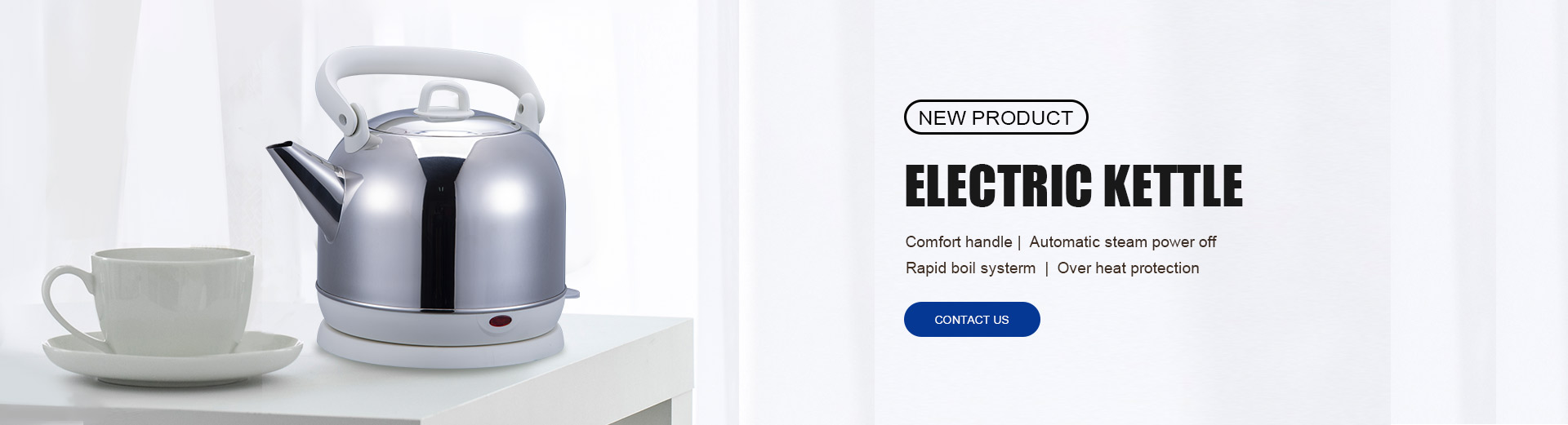
electric kettles are generally safe to use and are widely considered one of the most reliable appliances for boiling water. When manufactured with proper materials and used correctly, electric kettles do not pose health risks. Modern designs include safety features and food-grade materials to ensure safe daily use.
Material Safety
High-quality electric kettles are typically made with food-grade stainless steel interiors, which are designed for safe contact with water during repeated heating cycles. Stainless steel materials such as 304 stainless steel are commonly used because they resist corrosion and maintain stability at high temperatures.
Some kettles also include heat-resistant plastic components for the handle and lid. These materials are designed to withstand high temperatures without releasing harmful substances during normal use.
Built-In Safety Protection
Electric kettles are designed with several safety mechanisms that prevent accidents. One important feature is the automatic shut-off system, which stops the heating process once the water reaches boiling temperature. Many kettles also include boil-dry protection, which automatically turns off the kettle if there is insufficient water inside.
These safety systems reduce the risk of overheating and improve overall appliance safety.
Proper Use And Maintenance
Although electric kettles are safe, regular cleaning and proper use are important. Mineral deposits from hard water can accumulate inside the kettle over time. Cleaning the kettle periodically helps maintain heating efficiency and ensures clean water for beverages.
Users should also avoid overfilling the kettle and ensure the lid is closed properly during heating.
Manufacturer Vs Trader Considerations
For buyers sourcing electric kettles, working directly with a manufacturer rather than a trading company can improve product reliability. Manufacturers such as SHENBAO control production processes including mold development, metal stamping, injection molding, and final assembly, which helps maintain consistent product quality.
OEM And ODM Process
Electric kettles are often customized through OEM and ODM cooperation. OEM services typically include brand logos, packaging design, and color customization. ODM development may involve structural design changes, capacity adjustments, or functional improvements to meet different market requirements.
Manufacturing Process Overview
Electric kettle production generally includes stainless steel forming, metal stamping, plastic injection molding, thermostat installation, and final assembly. Integrated manufacturing processes help ensure accurate component assembly and stable heating performance.
Quality Control Checkpoints
Strict quality inspection is essential during kettle production. Typical checkpoints include heating performance testing, electrical safety verification, and automatic shut-off testing to ensure reliable operation.
Material Standards Used
High-quality electric kettles commonly use food-grade stainless steel interiors such as 304 stainless steel to provide corrosion resistance and safe contact with water during repeated heating cycles.
Bulk Supply Considerations
For buyers sourcing electric kettles in bulk, evaluating production capacity, material consistency, and manufacturing management systems is important. Manufacturers with integrated production facilities can maintain stable product quality across large orders.
Export Market Compliance
Electric kettles exported internationally must comply with electrical safety standards and certification requirements such as CE or CB. Suppliers with export experience and structured quality management systems are better prepared to support global distribution and long-term supply projects.