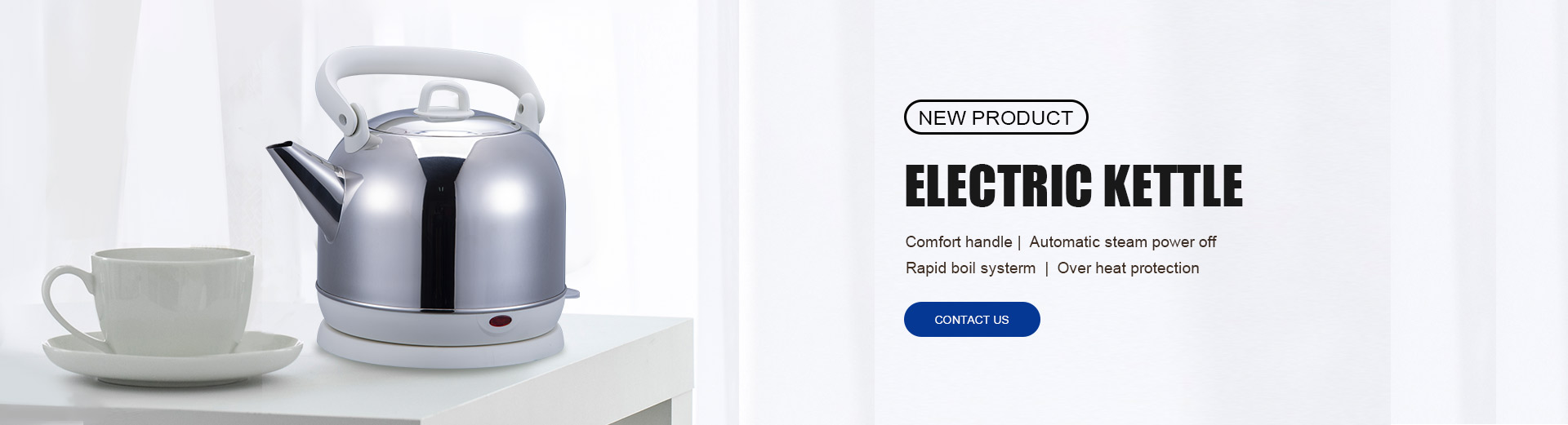
An electric kettle is a practical appliance designed to heat water quickly and efficiently. Because it can bring water to a boil within a few minutes, it is widely used in homes, offices, hotels, and temporary kitchens. Besides boiling water, electric kettles can support several simple food preparation tasks.
Making Hot Beverages
The most common use of an electric kettle is preparing beverages such as tea, coffee, and hot chocolate. The kettle heats water rapidly, allowing users to make drinks within minutes. This convenience makes electric kettles popular in offices and hospitality environments.
Preparing Instant Foods
Electric kettles are often used to prepare foods that only require hot water. Instant noodles, instant soups, and ready-to-eat meals can be prepared by adding boiling water. This makes electric kettles useful in dormitories, workplaces, and travel settings.
Making Oatmeal Or Porridge
Hot water from an electric kettle can be used to prepare oatmeal or instant porridge. By pouring boiling water over oats and letting them sit for several minutes, users can prepare a quick meal without using a stove.
Boiling Eggs
In some situations, eggs can be boiled using an electric kettle by placing them in water and allowing the kettle to bring the water to boiling temperature. After boiling, the eggs can remain in hot water until they reach the desired firmness.
Heating Water For Cooking
Electric kettles are also useful for heating water before cooking. Pre-heated water can speed up food preparation processes such as making sauces, preparing pasta, or dissolving ingredients.
Manufacturer Vs Trader Considerations
For buyers sourcing electric kettles, working directly with a manufacturer instead of a trading company can improve product reliability. Manufacturers such as SHENBAO manage production processes including mold design, metal stamping, injection molding, and assembly, which helps maintain consistent product quality.
OEM And ODM Process
Electric kettles are frequently customized through OEM and ODM cooperation. OEM services typically include brand logos, packaging design, and color customization. ODM development may involve structural adjustments, capacity changes, or functional improvements for different markets.
Manufacturing Process Overview
Electric kettle production usually includes stainless steel forming, metal stamping, plastic injection molding, thermostat installation, and final assembly. Integrated manufacturing processes help ensure accurate component alignment and stable heating performance.
Quality Control Checkpoints
Reliable electric kettles require strict quality inspection during production. Typical checkpoints include heating performance testing, electrical safety verification, and automatic shut-off testing to ensure safe operation.
Material Standards Used
High-quality electric kettles commonly use food-grade stainless steel interiors such as 304 stainless steel to ensure corrosion resistance and safe contact with water during repeated heating cycles.
Bulk Supply Considerations
For buyers sourcing electric kettles in bulk, evaluating production capacity, material consistency, and manufacturing management systems is essential. Manufacturers with integrated production facilities can maintain stable product quality across large orders.
Export Market Compliance
Electric kettles exported internationally must comply with electrical safety standards and certification requirements such as CE or CB. Suppliers with export experience and structured quality management systems are better prepared to support global distribution and long-term supply projects.