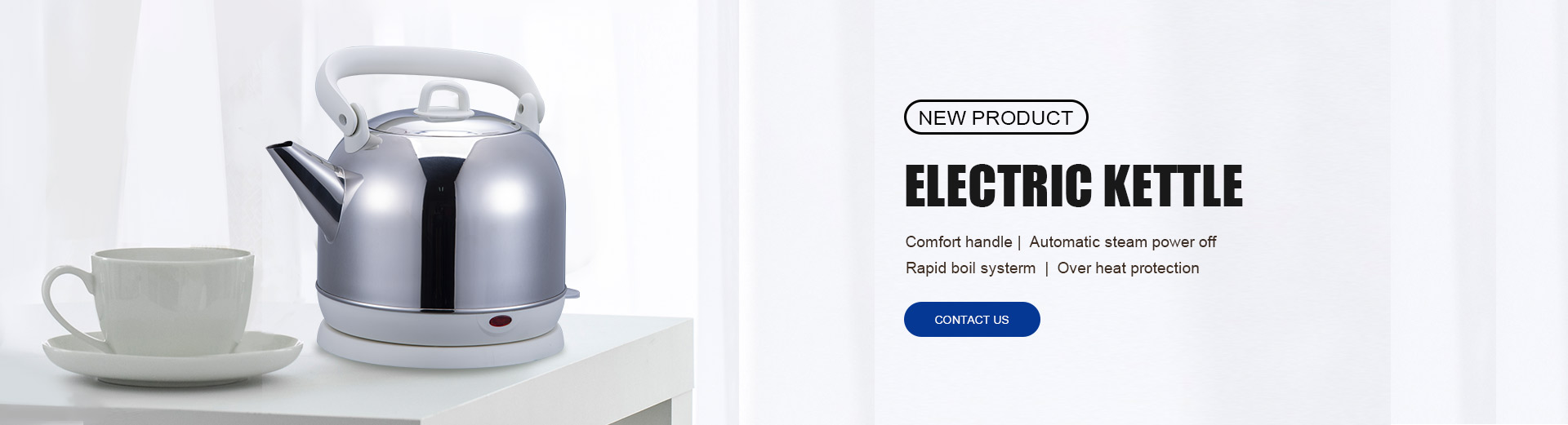
Boiling eggs in an electric kettle is a simple method that can be used when a stove is not available. electric kettles heat water quickly, making them useful in offices, dormitories, hotels, or travel environments where basic food preparation is needed.
Basic Steps
First, place one or more eggs carefully inside the kettle. Add enough water to fully cover the eggs while ensuring the water level stays below the maximum fill line marked inside the kettle.
Next, close the lid and turn on the kettle to begin heating. The kettle will bring the water to a boil and automatically switch off once boiling temperature is reached.
After the kettle shuts off, leave the eggs in the hot water for several minutes. For soft-boiled eggs, leaving them for about five to six minutes is usually sufficient. For hard-boiled eggs, keeping them in hot water for around ten minutes allows the yolk to cook completely.
Finally, remove the eggs carefully and place them in cold water. This stops the cooking process and helps make the shells easier to peel.
Important Usage Notes
Electric kettles are primarily designed for boiling water rather than cooking food. Eggs should be handled carefully to avoid cracking during boiling, and the kettle should be cleaned after use to prevent residue or odor buildup.
Manufacturer Vs Trader Considerations
For buyers sourcing electric kettles, choosing a manufacturer rather than a trading company can improve product consistency. Manufacturers such as SHENBAO manage production stages including mold development, metal stamping, injection molding, and final assembly, allowing stronger quality control.
OEM And ODM Process
Electric kettles are often customized through OEM and ODM cooperation. OEM services usually include brand logos, packaging design, and color customization. ODM development may involve structural adjustments, capacity modifications, or functional improvements.
Manufacturing Process Overview
Electric kettle production typically involves stainless steel forming, metal stamping, plastic injection molding, thermostat installation, and final assembly. Integrated production processes help ensure accurate component assembly and stable heating performance.
Quality Control Checkpoints
Reliable kettles require strict inspection during production. Typical quality checks include heating performance testing, electrical safety verification, and automatic shut-off testing to ensure safe operation.
Material Standards Used
High-quality electric kettles commonly use food-grade stainless steel interiors such as 304 stainless steel. This material provides corrosion resistance and safe contact with water during repeated heating cycles.
Bulk Supply Considerations
For buyers sourcing electric kettles in bulk, evaluating production capacity, material consistency, and manufacturing management systems is essential. Manufacturers with integrated production facilities can maintain stable product quality across large orders.
Export Market Compliance
Electric kettles exported internationally must comply with electrical safety standards and certification requirements such as CE or CB. Suppliers with export experience and structured quality management systems are better prepared to support global distribution and long-term supply projects.