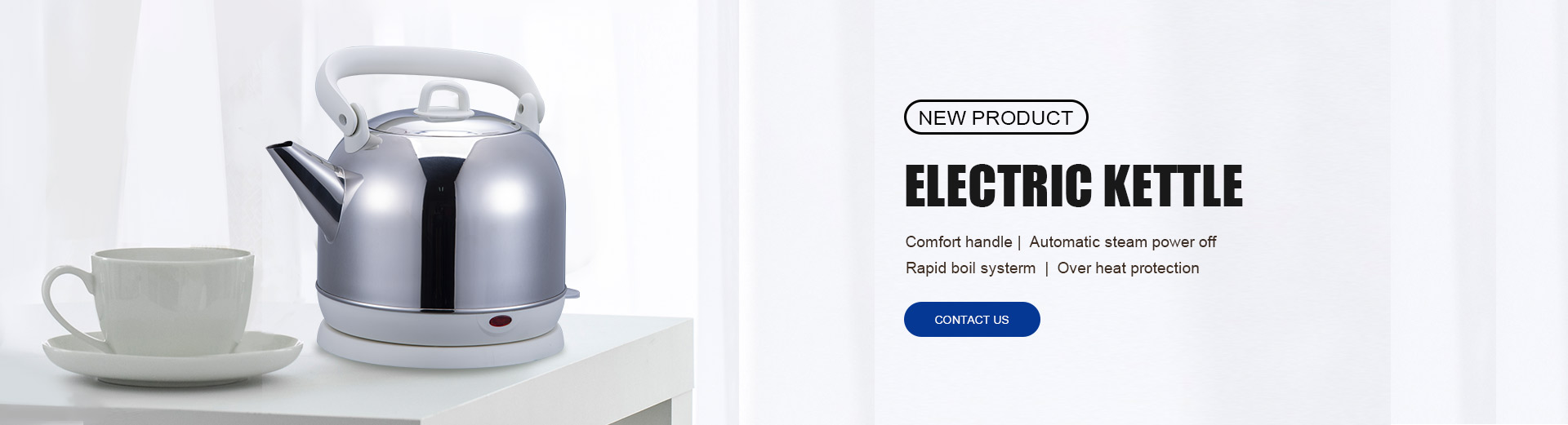
Cleaning the inside of an electric kettle is necessary to remove mineral scale caused by hard water. When water is repeatedly boiled, minerals such as calcium and magnesium can remain on the heating plate and inner surface of the kettle. This buildup may reduce heating efficiency and affect water quality. Regular cleaning helps maintain the kettle’s performance and lifespan.
One of the most common cleaning methods is using white vinegar. Fill the kettle with a mixture of water and vinegar, usually two parts water and one part vinegar. Turn on the kettle and allow the solution to boil. After boiling, leave the mixture inside the kettle for about fifteen to twenty minutes so the vinegar can dissolve the mineral deposits.
After soaking, pour out the solution and rinse the kettle thoroughly with clean water. To remove any remaining vinegar odor, boil fresh water once and discard it.
Citric acid is another effective solution for removing mineral scale. Add a small amount of citric acid powder to water in the kettle and bring the mixture to a boil. The citric acid reacts with the mineral deposits and helps break them down. After boiling, leave the solution inside the kettle briefly before rinsing thoroughly with clean water.
For lighter mineral buildup, baking soda can also be used. Add a spoonful of baking soda to water in the kettle and heat the mixture. Baking soda helps loosen deposits and neutralize odors. After heating, rinse the kettle with clean water.
For buyers sourcing electric kettles, choosing a manufacturer instead of a trading company can improve product consistency. Manufacturers such as SHENBAO manage key production processes including mold development, metal stamping, injection molding, and final assembly, which helps ensure stable product quality.
Electric kettles are often customized through OEM and ODM cooperation. OEM services usually include brand logos, packaging design, and color customization. ODM development may involve structural changes, capacity adjustments, or functional improvements for different markets.
Electric kettle production generally includes stainless steel forming, metal stamping, plastic injection molding, thermostat installation, and final assembly. Integrated production processes help maintain accurate component assembly and stable heating performance.
Reliable kettles require strict inspection during production. Typical checkpoints include heating performance testing, electrical safety verification, and automatic shut-off testing to ensure safe operation.
High-quality electric kettles commonly use food-grade stainless steel interiors such as 304 stainless steel. This material provides corrosion resistance and safe contact with water during repeated heating cycles.
For buyers sourcing electric kettles in bulk, evaluating production capacity, material consistency, and manufacturing management systems is essential. Manufacturers with integrated production facilities can maintain stable product quality across large orders.
Electric kettles exported internationally must comply with electrical safety standards and certification requirements such as CE or CB. Suppliers with export experience and structured quality management systems are better prepared to support global distribution and long-term supply projects.