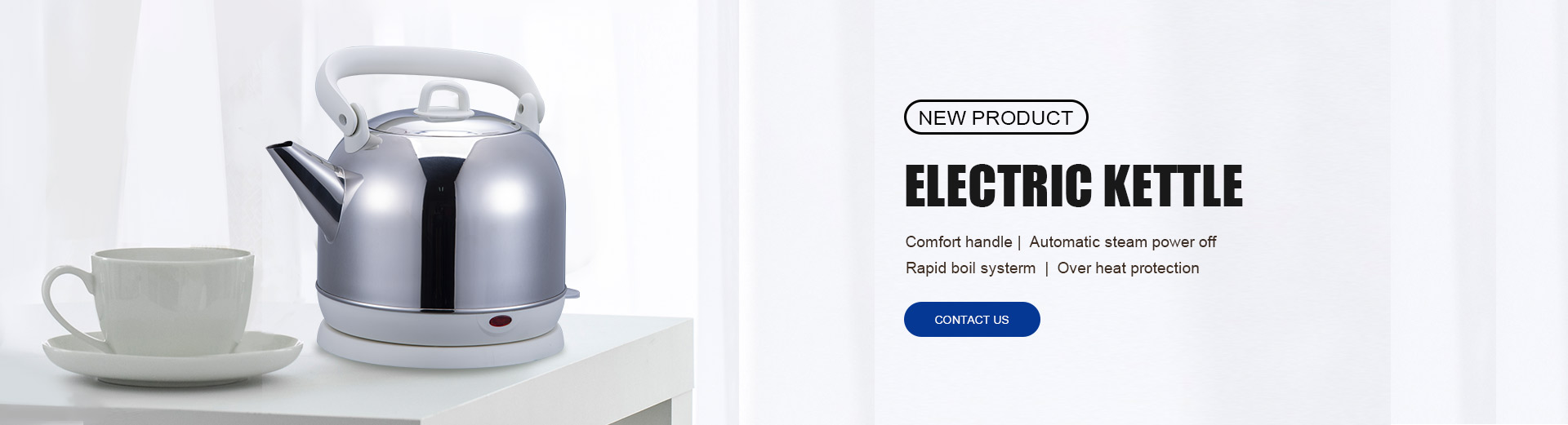
An electric kettle may smell like fish because of water quality, mineral scale, old standing water, plastic contact parts, or residue left inside the kettle after repeated use. The smell does not always mean the kettle is defective. In many cases, the odor becomes stronger only after heating because warm water releases dissolved compounds and trapped smells more quickly.
Tap water is a common reason. The U.S. Centers for Disease Control and Prevention explains that chlorine and chloramine are widely used to disinfect public drinking water. In some areas, treated water may have a noticeable smell, especially after heating. The U.S. Geological Survey also explains that hard water contains calcium and magnesium, and water above 120 mg/L as calcium carbonate is generally considered hard. When this water is boiled repeatedly, scale can build up on the heating plate and inner wall, trapping odor and affecting taste.
Possible Cause What Happens Practical Solution
Tap water odor Smell becomes stronger after heating Test with filtered water
Mineral scale Odor stays on the heating plate Descale regularly
Standing water Old water absorbs smell from the kettle Empty after use
Plastic parts Low-grade material may release odor Choose food-grade components
Poor cleaning Scale and residue collect inside Rinse and dry after boiling
For users, the first step is simple. Empty the kettle, rinse it with clean water, then boil fresh water and discard it. If the smell remains, use a food-safe descaling method according to the product manual. The power base, plug, switch, and connector should always stay dry. IEC 60335-2-15 covers safety requirements for appliances used to heat liquids with rated voltage not more than 250V, so safe cleaning and stable electrical design are both important.
For project procurement, fishy odor complaints can become an after-sales issue. Buyers should check inner material, heating plate quality, lid structure, sealing parts, water contact components, cleaning access, packaging odor control, and bulk order consistency before confirming an electric kettle model. A smooth stainless steel interior, concealed heating element, automatic shut-off, dry-boil protection, and clear cleaning instructions can help reduce odor problems in daily use.
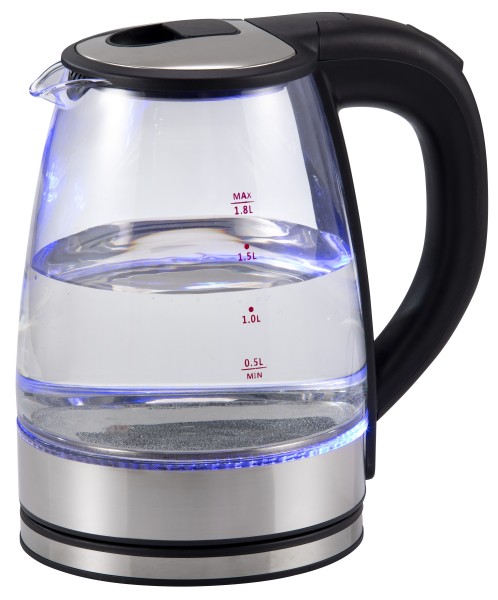
SHENBAO provides stainless steel electric kettles, double wall anti-hot kettles, plastic kettles, Glass Kettles, hot sale kettles, and traditional large kettles. Our Stainless Steel Kettle and large-capacity kettle options support fast boiling, easy cleaning, practical safety control, and OEM or ODM customization for different market needs.
Professional advice is to test samples with different water conditions before bulk order planning. Boil tap water, filtered water, and hard water simulation if needed, then check odor after heating and cooling. SHENBAO can support capacity selection, voltage matching, plug type, color, surface finish, logo, packaging, and market positioning.
An electric kettle smells like fish most often because water odor or scale is being heated, but better material selection and easier cleaning design can reduce this risk. Share your target market, preferred capacity, function needs, and order plan with SHENBAO. Our team can recommend a practical electric kettle solution for stable supply and stronger market competitiveness.