Cooking food in an electric kettle is possible for simple water-based use, but it should be done carefully because most electric kettles are designed mainly for boiling water, tea, coffee, and instant beverage preparation. For household distribution, hotel supply, office pantries, travel use, and wholesale channels, this topic matters because users often expect one appliance to support more daily situations.
The safest method is to boil water first, then pour the hot water into a separate bowl for instant noodles, oatmeal, soup powder, tea, coffee, or ready-to-eat foods. This keeps starch, oil, seasoning, and food residue away from the heating plate. The USDA recommends reheating leftovers to 165°F, so an electric kettle should not replace proper cooking equipment when food needs controlled internal heating.
Food Type Better Use Method Reason
Instant noodles Pour boiled water into a bowl Keeps the kettle clean
Oatmeal Mix with hot water outside the kettle Prevents sticking
Soup powder Prepare in a cup or bowl Avoids residue inside
Boiled eggs Use water only and clean after use Reduces odor risk
Rice or pasta Not recommended Starch may burn or overflow
Milk or sauce Not recommended May scorch and leave smell
For safe daily use, users should not overfill the kettle, should keep water below the maximum line, and should avoid thick, oily, sticky, or foaming foods inside the kettle. The power base, plug, switch, and connector must stay dry. IEC 60335-2-15 covers household and similar appliances for heating liquids with rated voltage not more than 250V, and some appliances under this standard can be used for heating food, so safety design and clear instructions are important for procurement.
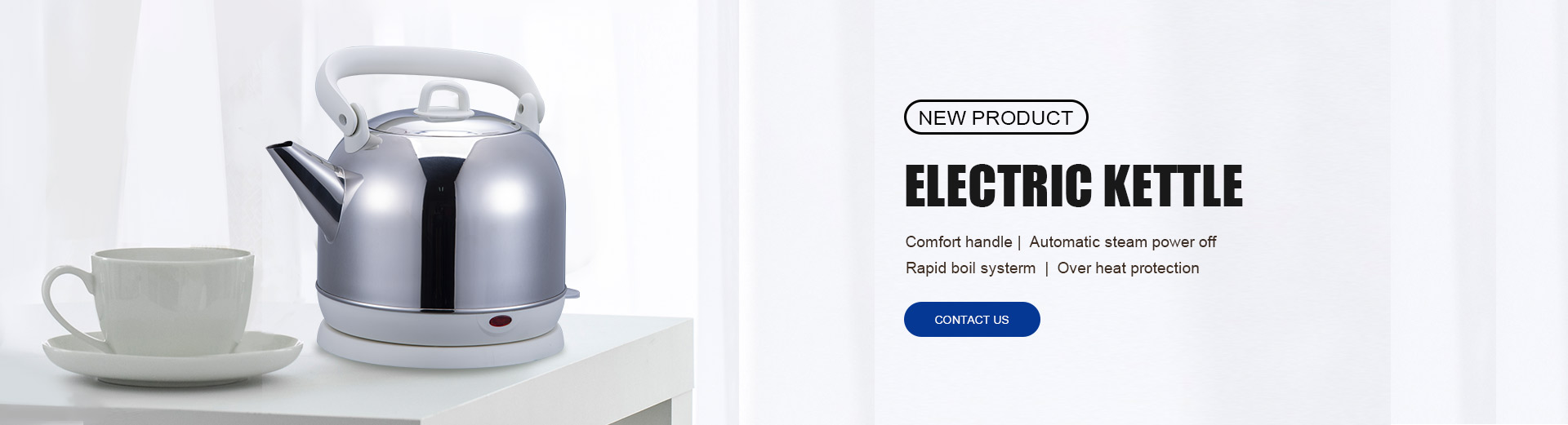
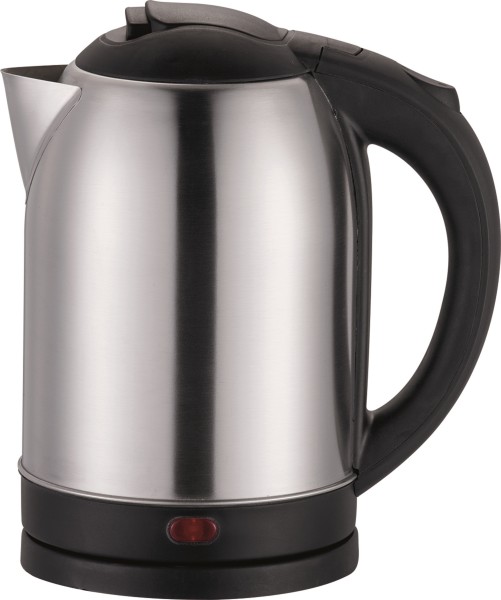
SHENBAO provides stainless steel electric kettles, double wall anti-hot kettles, plastic kettles, Glass Kettles, hot sale kettles, and traditional large kettles. Our traditional large kettle options include 3L, 4L, and 5L capacities, 220–240V voltage, 1850–2200W power, food-grade polished stainless steel, direct-plug design, fast boiling, easy cleaning, and OEM or ODM customization support.
For project procurement, buyers should position electric kettles mainly as hot water appliances, not cooking machines. Important checks include inner material, concealed heating structure, lid opening size, water level mark, automatic shut-off, dry-boil protection, easy cleaning, packaging strength, plug type, voltage, and bulk order consistency.