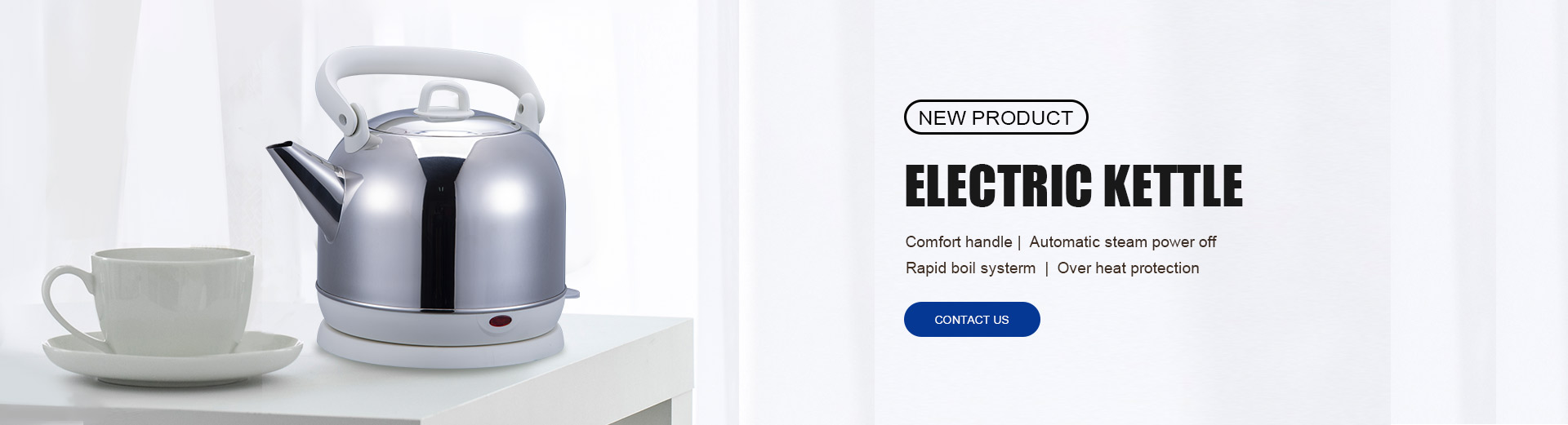
An electric kettle is a household appliance designed to heat water quickly, safely, and efficiently. It is widely used in homes, offices, dormitories, hotels, and travel settings due to its fast heating speed and easy operation.
An electric kettle is designed to heat water quickly, efficiently, and safely. Its primary purpose is to bring water to a boil using an internal heating element powered by electricity.
Electric kettles heat water quickly and accurately, making them suitable for preparing a wide range of teas. Whether brewing delicate green tea or strong black tea, water temperature plays a critical role in flavor, aroma, and extraction. Using an electric kettle helps achieve consistent results, especially if the kettle offers temperature control.
Using an electric kettle in a car requires a model specifically designed for automotive power outlets. Regular household kettles cannot be used in vehicles because they require more wattage than a car socket can safely provide.
Using an electric kettle for the first time requires simple preparation steps to ensure safe operation, remove manufacturing residues, and improve the taste of boiled water. New kettles may contain small amounts of dust, oils, or packaging particles from production and transport. Proper first-time use ensures that the kettle operates efficiently and provides clean, clear water from the beginning.
Hard water contains minerals such as calcium and magnesium. When the water inside an electric kettle is heated, these minerals separate and form white or off-white deposits along the walls and heating plate. Over time, this buildup becomes thicker, affecting boiling speed, energy efficiency, and water taste. Removing hard water deposits regularly helps maintain a clean interior and supports long-term kettle performance.
Calcium buildup in an electric kettle occurs when hard water is repeatedly heated. Hard water contains dissolved minerals such as calcium and magnesium. When boiled, these minerals separate from the water and form white, chalky deposits along the kettle’s inner walls and heating plate.
Brown stains inside an electric kettle are typically caused by mineral deposits, tea residue, or the natural oxidation of minerals found in hard water. Over time, these stains adhere to the kettle’s inner walls or heating plate, affecting water clarity, altering taste, and reducing boiling efficiency. Regular cleaning prevents buildup and helps maintain the kettle’s heating performance.
Electric kettles contain metals, plastics, heating elements, wiring, thermostats, and electronic components that should not be discarded with regular household waste.
Routine maintenance is essential to keep an electric kettle operating efficiently and safely. Daily heating cycles cause mineral buildup, wear on the heating plate, and gradual residue accumulation inside the kettle. Proper maintenance ensures fast boiling performance, clean-tasting water, and extended product lifespan.