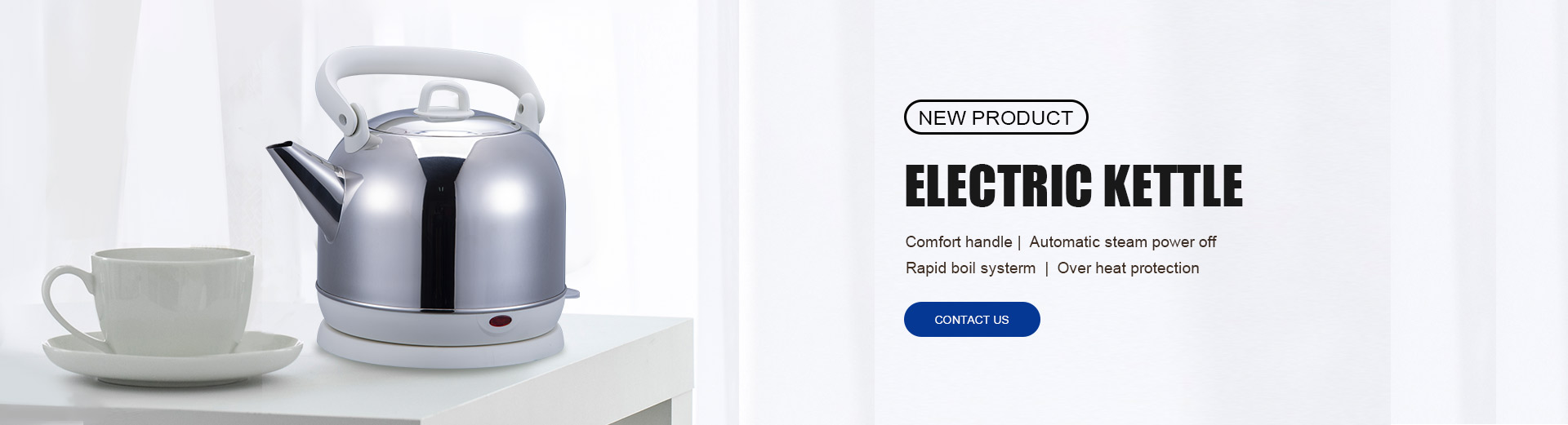
Whether a gas kettle is cheaper than an electric kettle depends mainly on the price of energy in your area and the efficiency of the heating method. Both options have advantages, so the final cost can vary.
Citric acid is a common and effective method for cleaning mineral scale inside an electric kettle. When water is repeatedly boiled, minerals such as calcium and magnesium remain on the heating plate and inner walls, forming scale deposits. Using citric acid helps dissolve these deposits and restore the kettle’s heating efficiency.
The thermostat in an electric kettle controls the heating cycle and automatically turns the kettle off when the water reaches boiling temperature. If the thermostat becomes faulty, the kettle may fail to heat properly, shut off too early, or continue heating without stopping. Repairing the thermostat usually involves inspecting the internal components and replacing the damaged part.
The switch of an electric kettle controls the power supply to the heating element. If the switch becomes faulty, the kettle may not turn on, may turn off suddenly, or may fail to stay in the heating position. These problems are usually caused by worn contacts, internal damage, or loose wiring inside the switch assembly.
Salt or mineral residue inside an electric kettle usually forms when hard water is repeatedly heated. Minerals such as calcium and magnesium remain on the heating plate and inner wall after boiling, creating visible scale deposits. Removing this buildup regularly helps maintain heating efficiency and ensures clean water for daily use.
Operating an electric kettle is simple and efficient because the appliance is designed to heat water quickly using an internal heating element and automatic shut-off system. When used correctly, an electric kettle can boil water safely for beverages or food preparation.
Making tea with milk powder using an electric kettle is simple, but the correct method is to boil water first and mix the ingredients outside the kettle. Electric kettles are designed mainly for heating water quickly and safely, not for directly cooking milk-based drinks. Heating milk powder inside the kettle may leave residue and affect long-term performance.
SHENBAO is a professional electric kettle manufacturer integrating mold design, injection molding, metal stamping, and full assembly under ISO9001 quality management. With export certifications including CE, CB, GS, RoHS, and LFGB, SHENBAO emphasizes concealed heating systems, calibrated thermostats, and structured safety validation to ensure stable performance across international markets.
Making milk coffee in an electric kettle is possible, but it requires controlled heating because milk behaves differently from water. Milk contains proteins, fats, and lactose that can foam rapidly and scorch if overheated. Since electric kettles are engineered primarily to boil water at around 100°C, milk should be heated below boiling point to prevent overflow and residue buildup.
Making hard boiled eggs in an electric kettle is one of the safest and easiest boil-based uses beyond water heating. Because electric kettles are designed to rapidly bring water to approximately 100°C, they can cook eggs effectively as long as timing and water level are properly controlled.
SHENBAO is a professional electric kettle manufacturer integrating mold design, injection molding, metal stamping, and complete assembly under ISO9001 quality management. With export certifications such as CE, CB, GS, RoHS, and LFGB, SHENBAO emphasizes calibrated heating systems, concealed heating structures, and structured safety validation to ensure stable performance across global markets.