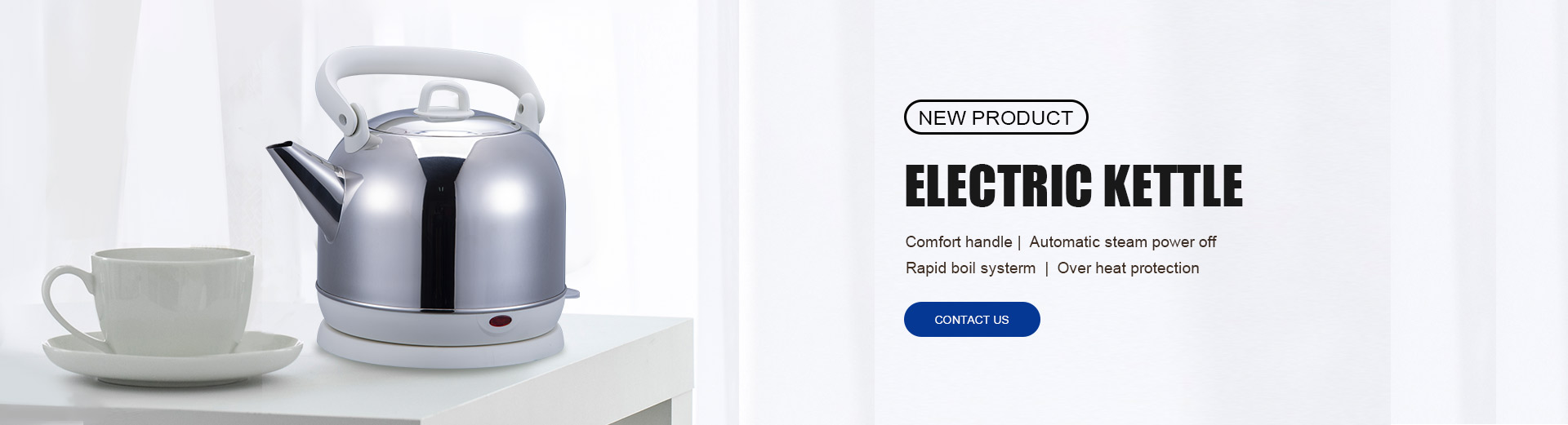
When choosing a kettle, many consumers weigh the benefits of borosilicate glass versus stainless steel, as each material offers unique advantages in terms of safety, durability, and aesthetics.
As more consumers focus on healthy living and safe kitchen practices, choosing between glass and stainless steel kettles has become an important consideration. Both materials are generally safe, but subtle differences can influence health and taste.
Stainless steel electric kettles are widely regarded as a safe and reliable choice for boiling water, making them popular in both homes and commercial kitchens. Experts highlight several factors that contribute to their safety and consumer confidence.
Choosing between glass and stainless steel for an electric kettle has become a common consideration for consumers, as both materials offer distinct advantages and potential drawbacks. Understanding these differences can help homeowners select the kettle that best suits their needs.
A leaking stainless steel kettle is a common household problem that can affect both safety and efficiency. Leaks often occur due to worn-out seals, cracks in the body, or corrosion around the spout or base. Experts recommend identifying the source of the leak before attempting repairs.
Burn marks on stainless steel kettles are a common issue caused by overheated water, tea, coffee, or residue from repeated use. While they may appear stubborn, there are safe and effective methods to restore the kettle’s surface.
Descaling a stainless steel kettle is essential for maintaining its performance, prolonging its lifespan, and ensuring clean-tasting water. Over time, mineral deposits from hard water can accumulate inside the kettle, reducing heating efficiency and leaving unsightly white residue.
Lemon is a natural and effective solution for cleaning stainless steel kettles, offering both limescale removal and a fresh scent. Its mild acidity helps dissolve mineral deposits and restore the kettle’s shine without harsh chemicals.
Burnt stainless steel kettles, often caused by overheated water or residue from beverages like tea or coffee, can be challenging to clean. However, several safe and effective methods can restore both functionality and appearance.
Vinegar is a highly effective and natural solution for cleaning stainless steel kettles, both inside and out. Its mild acidity helps remove limescale, mineral deposits, and stubborn stains without damaging the metal.
Maintaining the exterior of a stainless steel kettle is important not only for aesthetics but also for hygiene and long-term durability. Over time, kettles can develop fingerprints, smudges, water spots, and grease, which may dull the shiny surface.
Keeping the inside of a stainless steel kettle clean is essential for maintaining water quality, preventing mineral buildup, and extending the kettle’s lifespan. Over time, kettles can accumulate limescale, mineral deposits, and residues from repeated use, especially in areas with hard water.