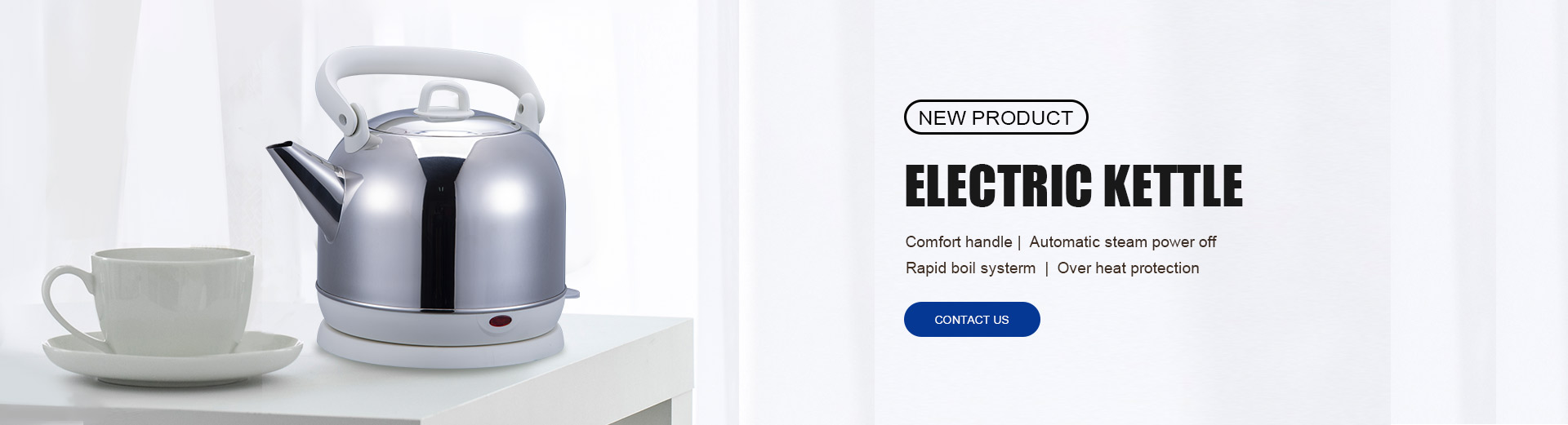
The most economical electric kettle is not simply the cheapest unit on a quotation sheet. In real sourcing, it is the model that balances energy efficiency, stable materials, low defect risk, and dependable bulk delivery. electric kettles typically achieve about 80 to 90 percent thermal efficiency, which is one reason they remain a cost-effective solution for fast water heating in home, hotel, and gift-channel programs. Research on kettle usage also shows that overfilling creates avoidable energy waste, so practical design matters as much as rated power.
For importers comparing offers, working with a direct manufacturer usually brings better cost control than buying through a trader. SHENBAO presents itself as a producer focused on Stainless Steel Kettles, double wall anti-hot kettles, plastic kettles, and related products, with in-house capabilities covering mold design, injection molding, metal stamping, and assembly. That kind of integrated structure reduces handoff loss, improves consistency, and helps make pricing more sustainable across repeated orders. SHENBAO also states that its products are exported to Europe, Southeast Asia, the Middle East, and South America.
In project sourcing, an economical electric kettle usually has a food-grade stainless steel interior, concealed heating structure, automatic steam shut-off, dry-boil protection, and a stable base connector. SHENBAO highlights triple safety protection including automatic steam power off, dry-burning power off, and high-temperature fuse protection. These features matter because lower after-sales risk often saves more than a small unit-price reduction. For long-term supply, buyers should also review capacity options, packaging plans, color consistency, spare part continuity, and carton performance for shipment.
A good OEM electric kettle program usually starts with capacity, voltage, plug type, body finish, logo method, gift box design, and compliance target. ODM projects go deeper into structure, appearance, and feature development. SHENBAO states that it supports integrated manufacturing and export certification documentation, which is useful for buyers managing private label launches, chain retail programs, and commercial-grade procurement. A practical project sourcing checklist should include sample approval, heating test, shut-off test, drop test, packaging confirmation, labeling review, and pre-shipment inspection.
Material standards are central to kettle economics because durability and compliance directly affect claim rates. SHENBAO notes ISO9001 management and certifications including CE, CB, GS, RoHS, and LFGB. For European markets, food contact materials must comply with Regulation EC No 1935/2004 and be manufactured under Good Manufacturing Practices. In simple terms, the most economical kettle is the one that can clear compliance, maintain batch stability, and protect margin after delivery, not just the one with the lowest initial price.