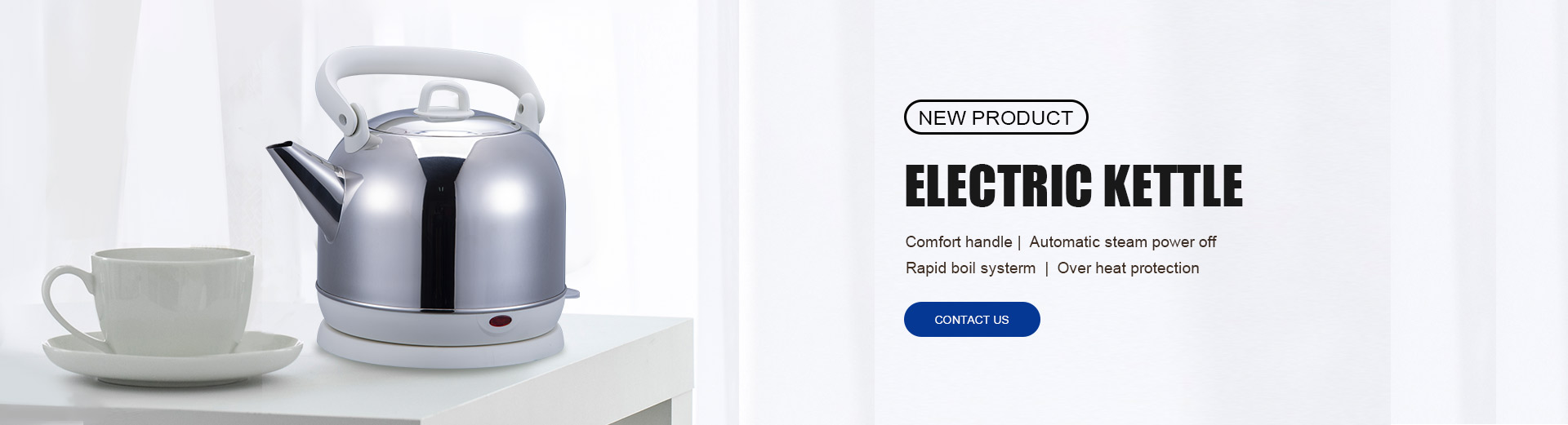
The filter inside an electric kettle is mainly there to catch limescale flakes and small particles before they enter the cup. In hard water areas, heating causes minerals such as calcium carbonate to form deposits inside the kettle, and those loose particles can move toward the spout during pouring. That is why many electric kettle designs place a mesh filter near the outlet rather than deep inside the body. It improves pouring cleanliness, supports better drinking experience, and reduces visible residue complaints in daily use.
A kettle filter is not the same as a full water purification system. Its main job is mechanical interception. It helps hold back scale fragments, loose debris, and some visible impurities created during repeated boiling. For project sourcing, this small component can have a direct effect on user satisfaction, because visible particles in the cup often create quality complaints even when the heating system is working normally. In practical OEM electric kettle development, the filter also supports a cleaner product image in retail and hospitality programs.
When buyers evaluate kettle details such as spout filter design, mesh quality, and fit accuracy, working with a direct manufacturer usually gives better control than working through a trader. SHENBAO states that it has integrated capabilities in mold design and manufacturing, injection molding, metal stamping, and assembly, with experienced technical and quality teams. That kind of factory control matters because a poorly fitted filter can loosen, deform, or affect pouring performance during volume production.
In an OEM or ODM kettle project, the filter should be reviewed as part of the full pouring system rather than as a minor accessory. A practical project sourcing checklist should include mesh material, filter opening size, mounting structure, cleaning convenience, spout flow behavior, and repeated-use durability. SHENBAO says it can design and produce according to customer needs, and its published OEM and ODM guidance includes prototype testing, compliance documentation preparation, and pilot production verification. Those steps are important for bulk supply because even a simple filter can affect user feedback and after-sales cost.
In electric kettle manufacturing, the filter is only one part of a larger system that includes stainless steel forming, plastic injection molding, thermostat installation, and final assembly. Quality control checkpoints should cover filter fit, spout alignment, heating performance, automatic shut-off, and electrical safety verification. SHENBAO’s published manufacturing guidance highlights these integrated inspection steps, which helps explain why stable component matching is important in commercial-grade and wholesale electric kettle programs.
Because the filter sits in the water path, material standards used for this part matter. For export markets, food-contact materials are expected to follow the general EU framework under Regulation 1935/2004, while electric kettles as appliances for heating liquids fall under IEC 60335-2-15 safety requirements. SHENBAO also states that its products have passed certifications such as GS, CE, CB, and EMC, which supports export market compliance across multiple regions.
| Check item | Why it matters |
|---|---|
| Filter mesh size | Helps block visible scale flakes |
| Filter material | Affects food-contact safety and durability |
| Spout fit | Supports smooth pouring |
| Cleaning access | Reduces maintenance complaints |
| Pilot sample test | Confirms real-use performance in bulk supply |
A filter inside electric kettles is a small part, but it plays a clear role in pouring cleanliness, complaint reduction, and overall product perception. For long-term supply, the better result usually comes from a kettle manufacturer that can control materials, mold accuracy, assembly fit, and compliance preparation in one integrated production system.