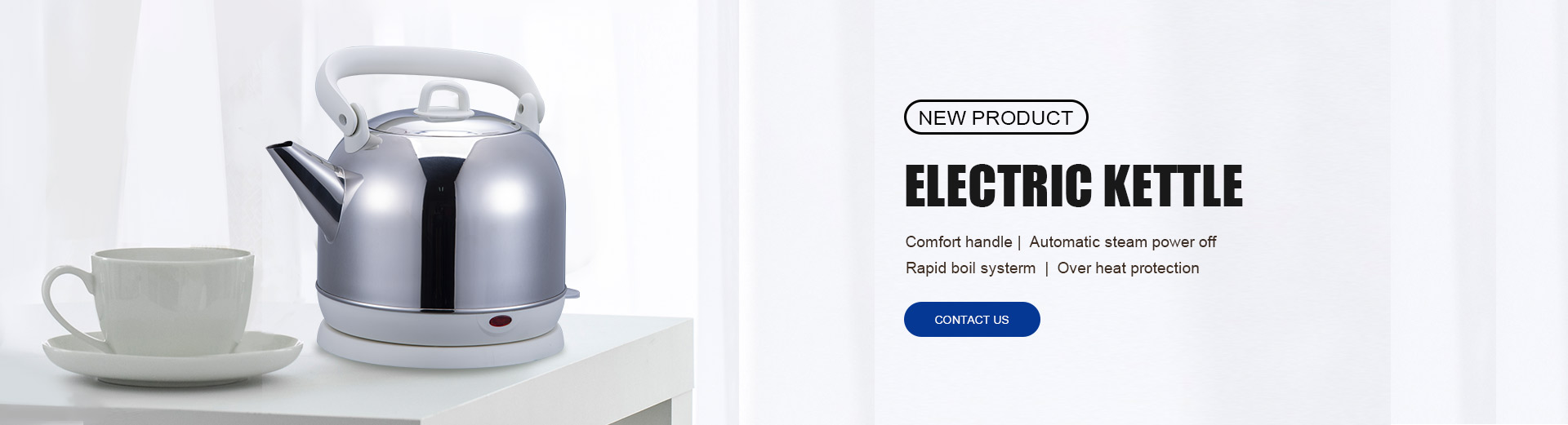
An electric tea kettle will not usually damage a counter when it is placed on a stable, heat-safe surface and used as intended, but heat, steam, and trapped moisture can damage some countertop materials over time. Wood and laminate are more vulnerable to warping, discoloration, or surface wear, especially when a hot kettle is left in one spot or steam rises directly into the underside of cabinets. Guidance on kitchen damage prevention also notes that prolonged steam exposure from kettles can harm surrounding surfaces if placement is poor.
In practical use, the base of a kettle is designed to sit on a counter, but the surrounding environment matters. Steam released during boiling can collect under upper cabinets, while repeated moisture exposure can affect laminate edges, wood finishes, and some decorative surfaces. That is why correct product design and correct placement both matter. A kettle placed in an open, ventilated area is less likely to create long-term surface problems than one kept tight against a wall or under a cabinet.
For sourcing teams, the question is not only whether a kettle can damage a counter, but whether the product structure helps reduce that risk across large shipments. SHENBAO presents itself as a direct electric kettle manufacturer with integrated mold design, injection molding, metal stamping, and assembly, rather than only a trading supplier. The company also states that it operates under ISO9001 and supports CE, CB, GS, ROHS, and LFGB certifications. That kind of factory control is important when buyers need stable base design, consistent heat management, and repeatable safety performance in bulk supply.
In an OEM electric kettle or ODM kettle project, buyers should review more than appearance and capacity. A practical project sourcing checklist should include base insulation, anti-slip feet, steam direction, handle heat resistance, shut-off timing, and carton instructions for safe placement. These details affect real use in hospitality, retail, and wholesale programs. SHENBAO’s published factory guidance emphasizes calibrated heating systems, concealed heating structures, and structured safety validation, which supports better development control from sample stage to mass production.
A reliable kettle program depends on stable metal forming, plastic molding, thermostat installation, base assembly, and final inspection. Quality control checkpoints should include heating stability, automatic shut-off, dry-boil protection, base temperature behavior, and leakage inspection. IEC 60335-2-15 covers safety requirements for appliances used for heating liquids, including kettles, which reinforces why heat control and protective design are central to export-ready production.
| Check item | Why it matters |
|---|---|
| Base insulation | Helps reduce heat transfer to the counter |
| Steam direction | Reduces moisture damage risk |
| Auto shut-off | Prevents unnecessary overheating |
| Anti-slip feet | Improves placement stability |
| Factory quality control | Supports safer bulk supply consistency |
An electric tea kettle does not automatically damage a counter, but poor placement, prolonged steam exposure, and weak product design can create problems over time. For long-term supply, the better result usually comes from a manufacturer that can control structure, materials, testing, and export compliance inside one production system. SHENBAO’s integrated manufacturing model and certification support make that approach more reliable for stable kettle programs.