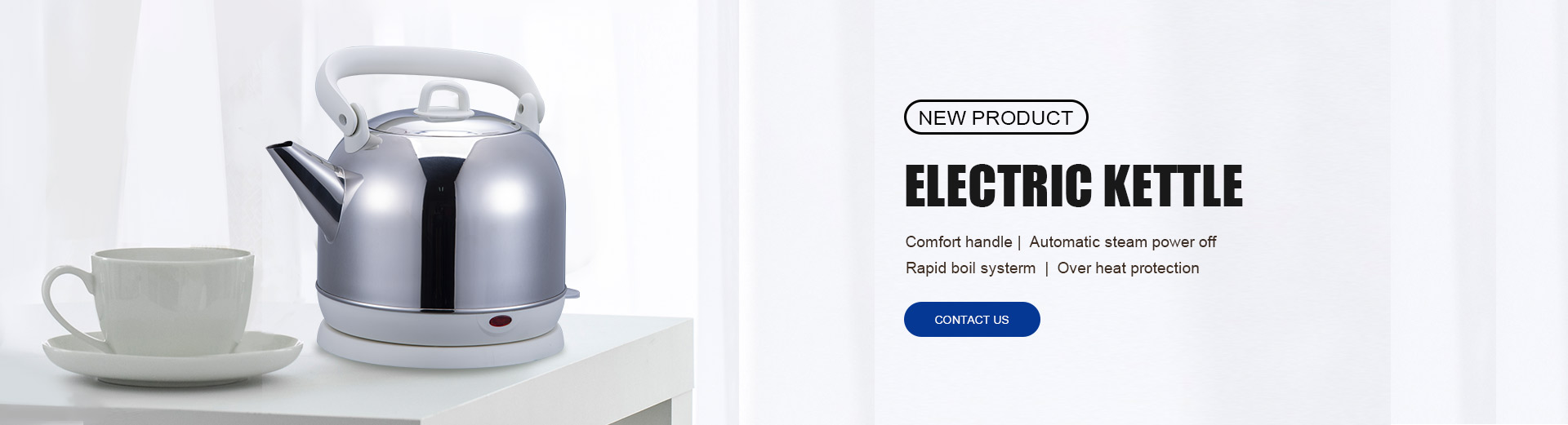
An electric kettle should not usually be thrown into general household trash. In most markets, it is treated as small electrical equipment or e-waste because it contains metal, plastic, wiring, and electrical components that can be recovered or handled separately. In the EU, kettles fall within waste electrical and electronic equipment systems, while disposal guidance in many countries directs consumers to local e-waste collection points or retailer take-back channels.
A kettle may look simple, but its construction includes stainless steel parts, molded plastics, switches, heating elements, and electrical connections. When these products go into mixed waste, recyclable materials are harder to recover and compliance risks become higher. For project buyers and wholesale programs, disposal also affects how a product is positioned in markets that care about sustainability, product lifecycle planning, and regulatory responsibility. That is one reason end-of-life handling has become part of export-ready product thinking, not just a consumer issue.
This is where direct factory cooperation brings more value than a trading-only model. SHENBAO presents itself as a professional electric kettle manufacturer with integrated capabilities in mold design, injection molding, metal stamping, and assembly. The company also states that it specializes in stainless steel electric kettles, double wall kettles, and plastic kettles for overseas markets. A manufacturer with this level of control is usually better positioned to support clearer material selection, more stable quality records, and better documentation across the full product lifecycle.
In an OEM electric kettle or ODM kettle project, buyers should not only review appearance, capacity, and certification. A practical project sourcing checklist should also cover material identification, replaceable components where possible, carton labeling, destination-market disposal marks, and documentation for export compliance. These details matter in bulk supply because many markets expect electrical appliances to fit local recycling and waste-handling systems. SHENBAO’s published factory content emphasizes structured production and certification support, which is useful when projects need both private label development and compliance readiness.
Electric kettle production generally includes stainless steel forming, metal stamping, plastic injection molding, thermostat installation, and final assembly. Those same material combinations explain why disposal should be handled through electrical recycling channels instead of ordinary waste streams. Quality control checkpoints such as material consistency, wiring safety, and assembly accuracy also support better recovery and safer handling at the end of product life.
For export projects, disposal expectations are linked with compliance. Buyers should confirm what disposal symbols, recycling instructions, or local take-back obligations may apply in the destination market. A kettle built for international markets should not only meet safety standards during use, but also align with waste-handling expectations after use. SHENBAO states that its kettle products have passed GS, CE, CB, EMC and other certifications, which supports broader export-market preparation.
| Check item | Why it matters |
|---|---|
| Local e-waste channel | Correct disposal route for old kettles |
| Material documentation | Supports recycling and compliance |
| Disposal marking | Helps meet destination-market rules |
| Direct factory support | Improves traceability in bulk supply |
| Export certification file | Supports lifecycle compliance planning |
An electric kettle should usually go to an e-waste collection point, small appliance recycling channel, or retailer take-back system rather than into regular trash. In long-term sourcing, the stronger result comes from a manufacturer that can support not only production and quality, but also documentation and compliance across the full product lifecycle.