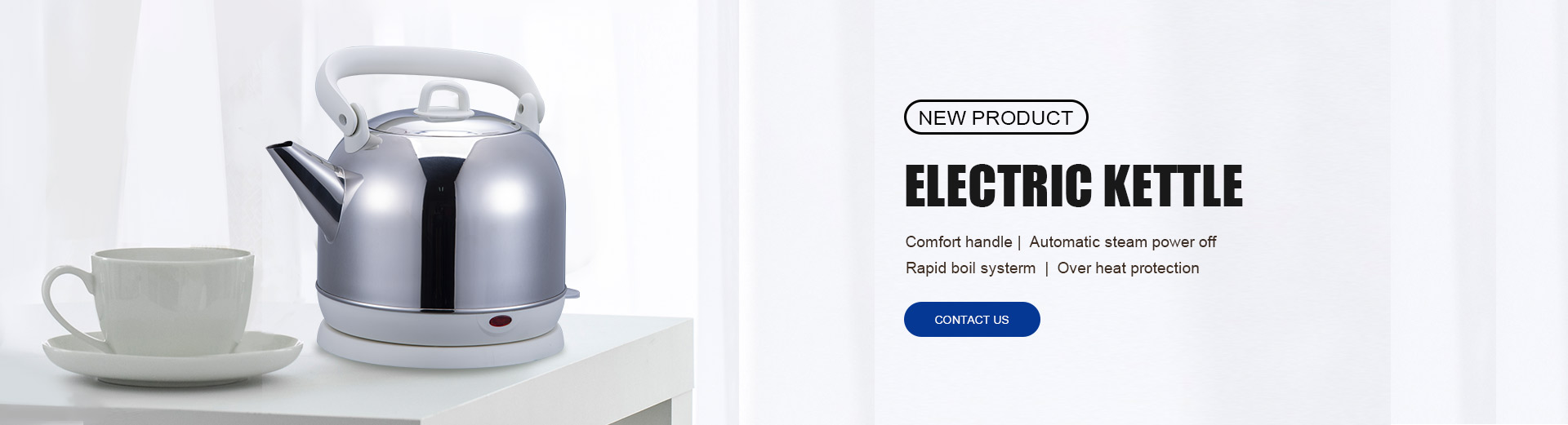
The cheaper option depends on local electricity price, gas price, heating efficiency, and how often hot water is needed. In many daily-use situations, an electric kettle can be more economical because it heats only the required water and shuts off automatically after boiling. Energy saving research from appliance efficiency studies shows that electric kettles often convert a higher share of energy into heating water than open stovetop boiling, where more heat is lost around the pot.
For offices, hotels, dormitories, and household kitchens, the real cost is not only the energy bill. Buyers should also consider heating speed, safety control, maintenance, user convenience, and replacement cost.
| Option | Cost Factor To Review |
|---|---|
| Electric kettle | Faster boiling and automatic shut-off |
| Stove top kettle | Depends on gas or electric stove efficiency |
| High-frequency use | Electric kettle is usually more convenient |
| Project supply | Safety, plug type, warranty, packaging matter |
| Long-term use | Stable thermostat reduces service issues |
When comparing which is cheaper electric kettle or stove top, product sourcing should also consider supplier type. A manufacturer can control heating plate quality, thermostat matching, stainless steel forming, plastic molding, handle insulation, base stability, and bulk order consistency. A trader may offer many finished models, but usually has limited control over internal structure, testing, and repeat production quality.
SHENBAO focuses on electric kettle manufacturing, including stainless steel electric kettle, double wall anti-hot kettle, plastic kettle, and water kettle products. Our production experience covers research, manufacturing, quality inspection, and export supply for markets such as Europe, Southeast Asia, the Middle East, and South America.
During the OEM / ODM process, buyers should confirm capacity, wattage, voltage, plug type, body material, thermostat, lid design, handle structure, color, logo method, packaging, user manual, carton marks, and inspection standards before sample approval. For bulk supply, stable material sourcing and clear sample records help reduce after-sales risk.
Manufacturing process overview includes material inspection, plastic injection, stainless steel forming, heating plate assembly, thermostat installation, boiling test, leakage test, appearance checking, packaging, and final inspection. Quality control checkpoints should include automatic shut-off, dry-boil protection, plastic odor, lid fitting, handle strength, base connection, electrical safety, and carton protection.
For export market compliance, buyers should review voltage version, plug type, food-contact material requirements, safety documents, warning labels, packaging language, and destination market standards. A well-made electric kettle can support lower operating waste, better user convenience, and smoother repeat orders.