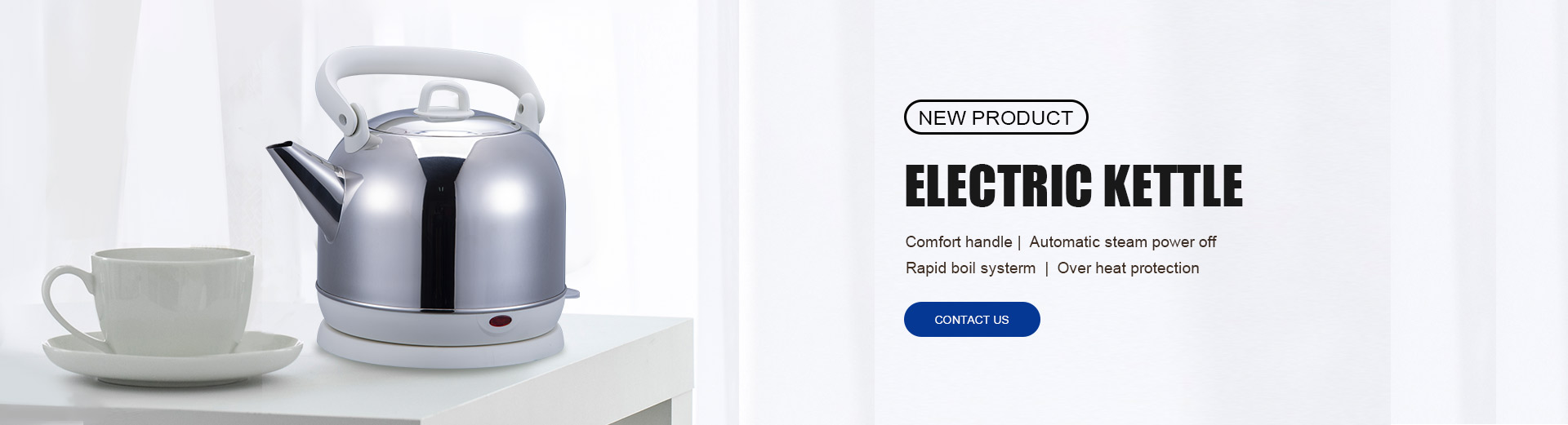
Regular cleaning helps an electric kettle maintain efficient heating and reliable automatic shut-off. Unplug it, let it cool, and remove it from the power base before cleaning.
Rinse the interior with fresh water and wipe it with a soft cloth. Clean the exterior with a damp cloth. Never immerse the kettle, base, cord, or connector in water. Avoid steel wool, knives, chlorine cleaners, and strong alkalis because they may scratch stainless steel or damage coatings and seals.
White deposits are usually limescale caused by calcium and magnesium. The United States Geological Survey classifies water above 180 mg/L as calcium carbonate as very hard. Use diluted citric acid or a descaler approved in the instructions. Heat it only when permitted, leave it for the stated time, discard it, then rinse several times and boil fresh water before reuse.
A direct manufacturer controls mold development, metal stamping, plastic injection, heating-plate fitting, thermostat installation, assembly, and inspection. A trader relies more on external production, making material traceability and corrective action less direct.
Our OEM and ODM process covers specification review, sample approval, pilot production, electrical testing, boiling tests, inspection, and export packing. Quality checkpoints include leakage, grounding, temperature rise, automatic shut-off, dry-boil protection, lid fit, odor, and repeated boiling performance.
Confirm capacity, voltage, wattage, plug, stainless steel grade, plastic material, cleaning instructions, packaging, and certification scope.
IEC 60335-2-15:2024 covers liquid-heating appliances rated up to 250 V. European projects should also review Regulation EC No 1935/2004, CE, RoHS, WEEE, labeling, traceability, and model-specific test documents. Certificates should be checked by holder, product model, validity period, and target market before production.