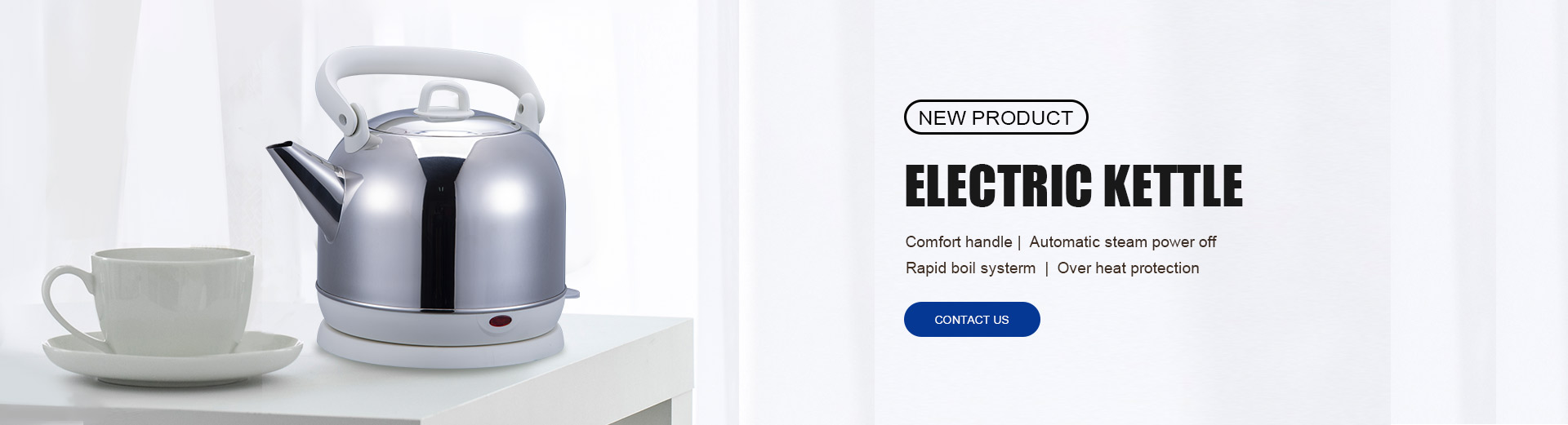
Milk should only be heated directly in an electric kettle when the instructions allow milk or other foods. A standard water kettle may foam over, leave protein deposits on the heating plate, affect the thermostat, and become difficult to clean.
For a water-only kettle, boil water and pour it into a heat-resistant bowl. Place the milk in a separate heat-safe container, stand it in the hot water, and stir until evenly warmed. Do not immerse electrical parts or place a sealed container in boiling water.
When direct heating is permitted, select a low temperature, stay nearby, and stop before the milk foams. Clean the kettle immediately according to the manual. Abrasives may scratch stainless steel, while residue around sensors can affect automatic shut-off.
IEC 60335-2-15:2024 covers appliances used for heating liquids at rated voltages up to 250 V. It includes some appliances intended to heat food, but this does not mean every electric kettle is designed for milk.
A manufacturer controls mold development, metal stamping, plastic injection, heating-plate fitting, thermostat installation, assembly, and testing more directly than a trader.
An OEM or ODM milk-heating kettle should consider temperature control, anti-foam space, removable parts, food-contact materials, cleaning access, and clear operating instructions. Our process includes specification review, sample approval, pilot production, boiling tests, leakage checks, temperature-rise testing, inspection, and export packing.
Confirm intended liquids, capacity, voltage, wattage, plug, temperature settings, materials, seals, cleaning method, and certification scope. Quality checkpoints should cover automatic shut-off, dry-boil protection, overflow, leakage, grounding, odor, lid fit, and repeated heating.
European projects should review Regulation EC No 1935/2004 for food-contact materials, together with CE, RoHS, WEEE, labeling, traceability, and model-specific test documents.