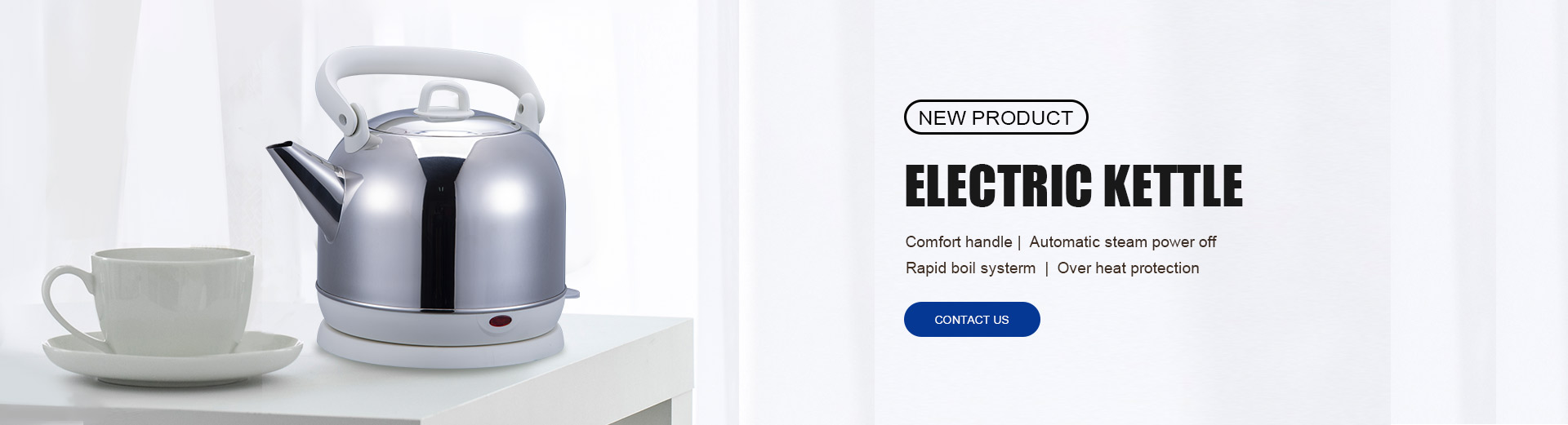
Making noodles in an electric kettle is one of the most practical extended-use applications for a boil-only appliance. Since water reaches about 100°C during boiling, an electric kettle can handle instant noodles and many thin dried noodles well, especially in temporary kitchens, hospitality rooms, dormitory-style spaces, and travel settings. SHENBAO’s own product content also positions electric kettles as suitable for tea, coffee, and instant noodles, which makes this topic highly relevant for real market demand.
The usual process is straightforward: add water, bring it to a boil, place the noodles into the hot water, and allow them to soften until the texture is ready. For food safety, hot prepared food should be kept at 140°F or above if it is not eaten immediately. In practice, noodles are better suited to electric kettles than milk-based drinks or protein-heavy foods because they create less residue and are easier to clean after heating.
Not every kettle performs equally well for this use. A stainless steel electric kettle with a concealed heating structure is more practical because it is easier to rinse after starch contact and helps reduce residue buildup around exposed parts. SHENBAO describes itself as a professional electric kettle manufacturer with integrated mold design, injection molding, metal stamping, and complete assembly, and it emphasizes calibrated heating systems and structured safety validation across its kettle programs. That kind of manufacturing control is important when a product is intended for repeated daily use rather than one-time retail display.
For bulk supply considerations, the difference between a manufacturer and a trader is not only price. A direct manufacturer can usually respond faster on structure changes, heating system adjustments, packaging requirements, and corrective action. SHENBAO states that it operates under ISO9001 quality management and supports certifications including CE, CB, GS, ROHS, and LFGB, which helps support export market compliance and smoother private label development. For project buyers, that usually means better control over lead time, consistency, and documentation.
In an OEM electric kettle or ODM kettle project, the sourcing focus should go beyond appearance. A practical project sourcing checklist should include capacity, voltage, plug type, inner material, heating structure, auto shut-off logic, carton design, and certification target. SHENBAO’s published OEM and ODM guidance notes that customization can include brand logos, packaging design, color changes, structural design changes, capacity adjustments, and functional improvements. This matters for commercial-grade programs and long-term regional distribution.
Electric kettle production generally includes stainless steel forming, metal stamping, plastic injection molding, thermostat installation, and final assembly. The key quality control checkpoints should cover heating stability, boil speed, auto shut-off response, dry-boil protection, leakage testing, and connector durability. For kettle lines intended for export, compliance also matters at the material level because food-contact materials placed on the EU market must comply with Regulation (EC) No 1935/2004, which sets general safety and inertness principles.
| Check item | Why it matters |
|---|---|
| Food-contact inner material | Supports hygiene after noodle cooking |
| concealed heating element | Easier cleaning and lower residue risk |
| Auto shut-off | Improves safe operation |
| Dry-boil protection | Reduces misuse risk |
| Certification package | Helps export approval |
| Factory integration | Supports stable bulk supply |
For noodle applications, the better electric kettle is not simply the lower-cost model. It is the one backed by controlled manufacturing, reliable material standards, verified safety functions, and export-ready compliance support from the start.