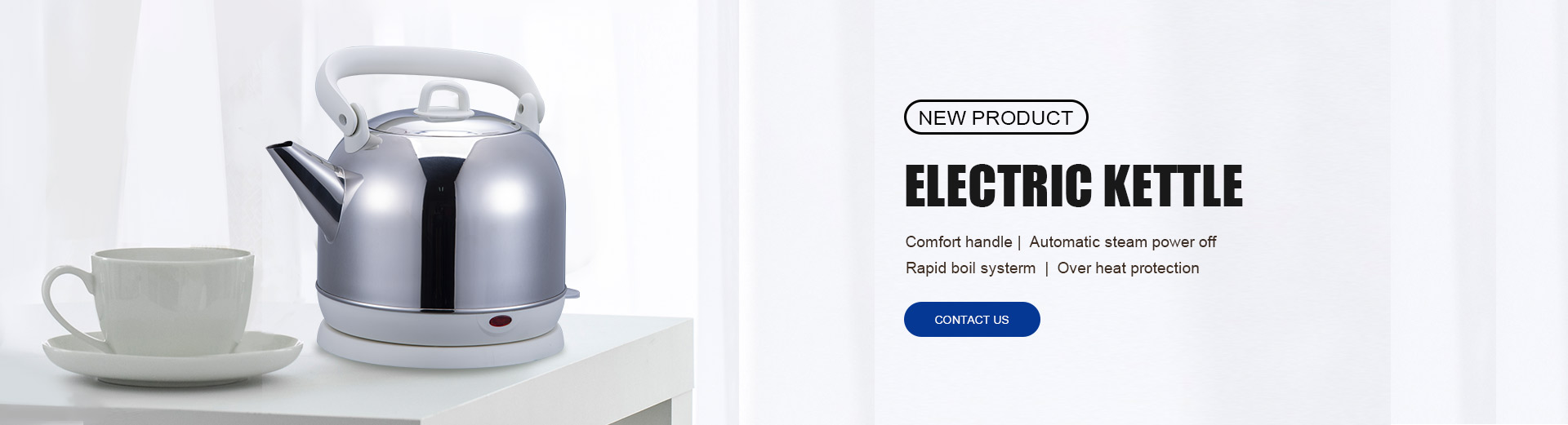
A whistling noise usually comes from steam moving through a narrow path inside the kettle. When water reaches a near-boiling point, pressure builds and escapes through the spout, lid gap, or vent area. If the airflow path is tighter than usual, the sound becomes sharper and more noticeable. For electric kettles, this is often related to steam release design, lid fit, scale buildup, or slight changes in component tolerance after repeated use. Safety requirements for appliances that heat liquids are covered by IEC 60335-2-15, which is why vent control, shut-off response, and temperature protection matter so much in kettle design.
The first reason is normal steam pressure during boiling. The second is limescale, which can narrow the steam path and change how sound travels through the kettle. The third is a lid or spout seal issue. Even a small fit change can make steam escape in a more concentrated way. On SHENBAO’s whistling kettle product page, the company describes a precision-designed whistling spout, a spring valve for steam release, and a heat-resistant silicone seal, showing how strongly sound behavior depends on vent structure and sealing details.
In sourcing, the real issue is not only why one kettle whistles, but whether the same issue could appear across an entire order. SHENBAO presents itself as a professional electric kettle manufacturer integrating mold design, injection molding, metal stamping, and final assembly under ISO9001 quality management. The company also states that it supports certifications such as CE, CB, GS, RoHS, and LFGB. This kind of direct factory control usually gives better consistency than a trader model when vent design, thermostat behavior, and assembly tolerance need adjustment.
For an OEM electric kettle project, the review should cover lid structure, vent size, steam path, heating power, thermostat timing, and target market certification before sample approval. In an ODM process, buyers should also check prototype boiling noise, shut-off timing, dry-boil protection, and repeated-cycle testing. A practical project sourcing checklist should include sample confirmation, pilot run review, packaging validation, and pre-shipment inspection. These steps reduce complaint risk in bulk supply and help maintain performance stability across export programs. SHENBAO’s published factory content emphasizes calibrated heating systems, concealed heating structures, and structured safety validation, which are useful indicators of process depth.
A stable kettle program depends on stainless steel forming, plastic injection, metal stamping, thermostat installation, sealing accuracy, and final assembly control. Quality control checkpoints should include vent consistency, lid fit, automatic shut-off, leakage testing, boil-dry protection, and connector durability. A whistle that appears batch after batch often points back to process variation rather than random end-user behavior.
Material choice also affects sound and long-term reliability. Stable food-contact materials, heat-resistant seals, and precise molded parts help maintain consistent steam release. For export markets, food-contact compliance is also part of the sourcing decision. The European Commission states that Regulation EC No 1935/2004 provides the general EU framework for food contact materials and sets principles of safety and inertness. That matters when kettle components are intended for repeated contact with heated water.
| Check item | Possible reason for whistling | Control point |
|---|---|---|
| Vent path | Steam escapes through a narrow opening | Vent structure accuracy |
| Lid fit | Uneven seal or pressure release | Tolerance inspection |
| Scale buildup | Airflow path becomes restricted | Cleaning and descaling |
| Thermostat timing | Extended boiling before shut-off | Calibration test |
| Seal material | Heat aging changes steam flow | Material standard review |
A kettle that suddenly makes wisthling noises may only need cleaning, but in volume sourcing, repeated noise complaints usually trace back to vent design, sealing precision, and factory-level quality control. A manufacturer with integrated production, certification support, and structured testing is usually better positioned to solve that problem at the root.